Content
In the world of modern upholstery, the term Custom Nylon Sofa Upholstery Tech Fabrics refers to a high-performance category of textiles engineered specifically for furniture. Primarily based on nylon fibers, these fabrics are treated or woven with advanced technologies to achieve properties far beyond traditional materials like cotton or polyester blends[citation:3].
The result is a material designed for real life: it must withstand daily use, spills, friction, and sunlight while maintaining its aesthetic appeal, making it a superior choice for both residential and commercial settings.
The shift towards these engineered fabrics is driven by a demand for solutions that combine luxury with unparalleled practicality. For manufacturers and brands, specifying these materials directly addresses common consumer pain points and opens up new design possibilities.
Nylon is renowned for its high tensile strength and excellent abrasion resistance, often measured in double-rub counts exceeding 100,000[citation:10]. When combined with nanotechnology for stain and liquid repellency (commonly called a "nano-coating"), everyday spills like coffee or wine can be wiped away without leaving a mark. This makes custom nylon sofa upholstery tech fabrics an ideal choice for families, hospitality, and high-traffic areas.
Unlike some non-breathable synthetic leathers, advanced nylon tech fabrics are engineered for breathability. Many are designed with high moisture-wicking capabilities and antimicrobial treatments, which help inhibit the growth of allergens like mold, mildew, and dust mites[citation:3]. This creates a healthier and more comfortable seating environment that adapts to different climates.
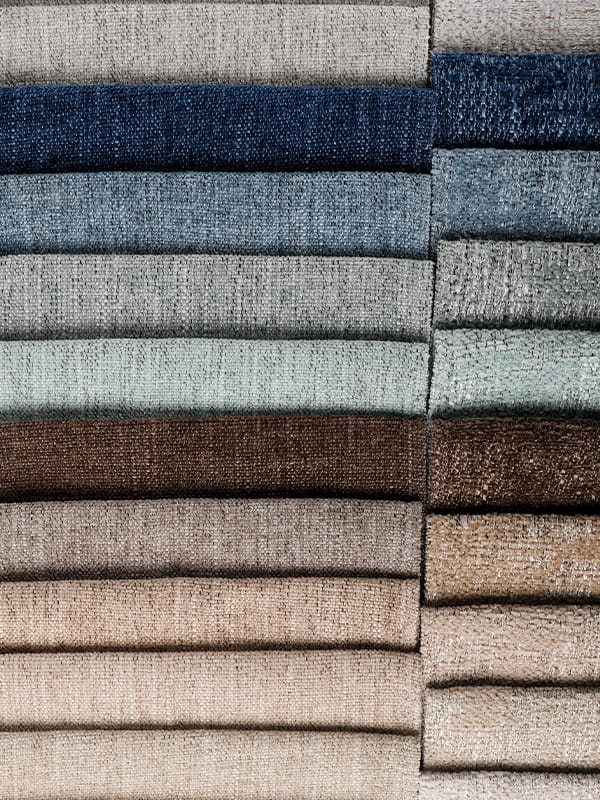
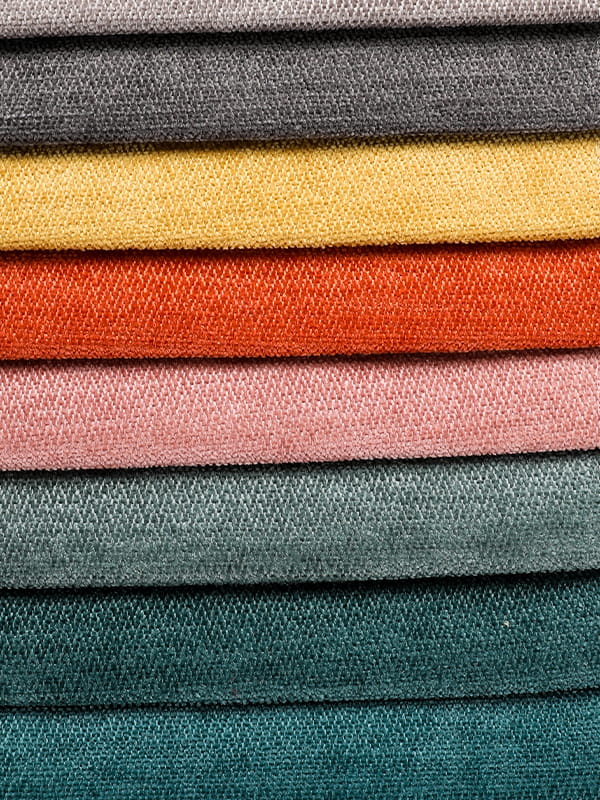
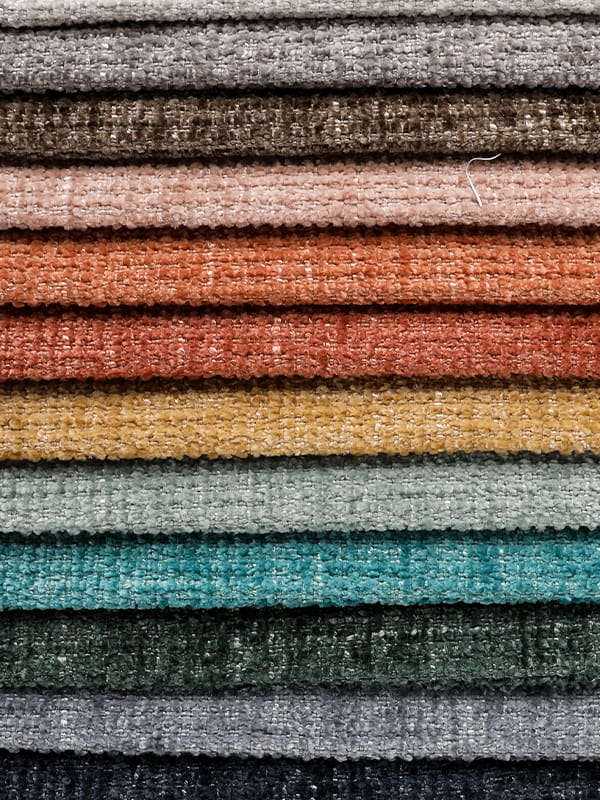
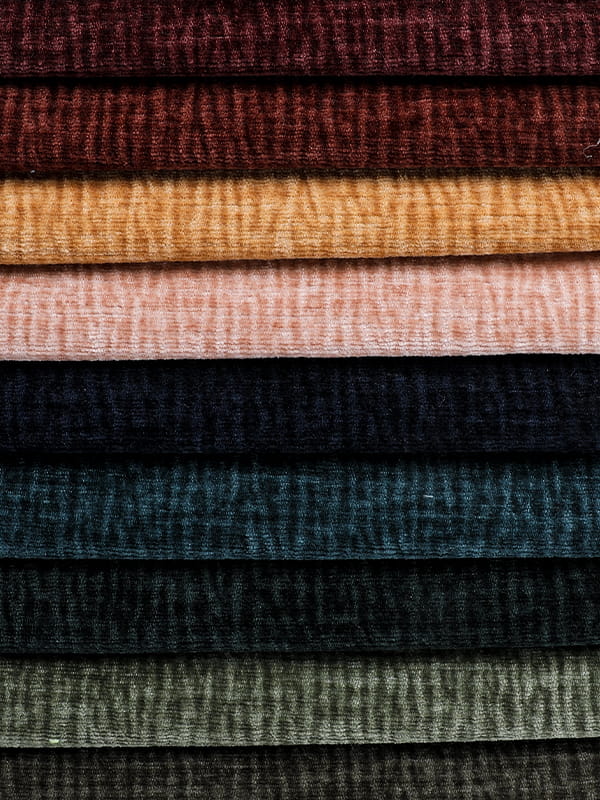
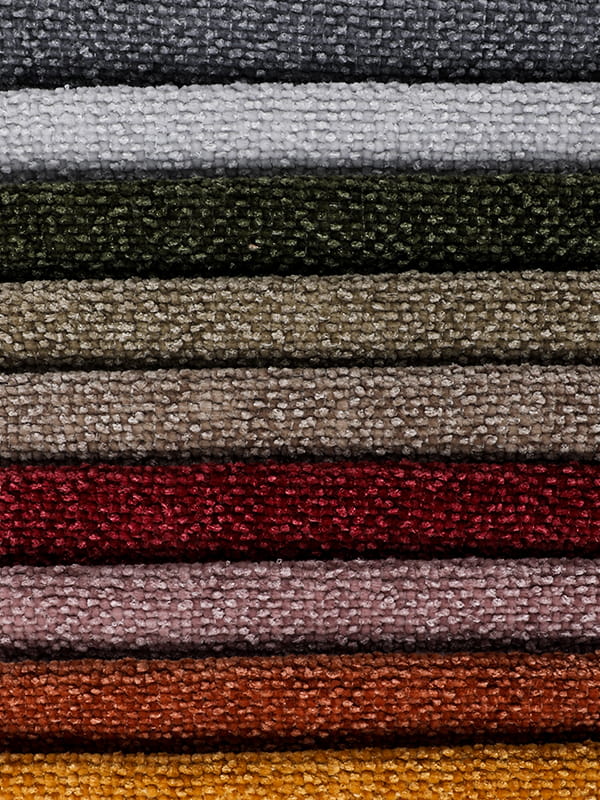
The true value for businesses lies in customization. These fabrics serve as an excellent base for a wide range of custom nylon sofa upholstery tech fabrics finishes. They can be precisely dyed to match brand-specific Pantone colors, embossed with unique textures (from fine linens to bold geometric patterns), and even finished with different hand-feels, such as soft-touch or performance-cool surfaces[citation:9][citation:10].
| Feature | Benefit for OEM/ODM Clients | Consumer Appeal |
| Abrasion Resistance (High Double-Rub Count) | Reduces warranty claims; suitable for contract/commercial grades. | Long-lasting furniture that resists pilling and fraying. |
| Stain & Liquid Repellency (Nano-Coatings) | Lowers the cost and complexity of after-sales care guides. | Easy cleanup, peace of mind for families with children/pets. |
| Anti-Microbial & Breathable | Enables marketing for health & wellness segment. | Reduces odors and allergens; provides a cooler seating experience. |
| Color & Texture Customization | Enables exclusive collections and brand differentiation. | Access to unique, designer-like options not available in mass market. |
Creating a proprietary custom nylon sofa upholstery tech fabric is a collaborative process between the brand and the technical fabric supplier. Understanding this workflow is key to a successful project.
It begins with defining the vision. This includes selecting a base fabric weight and weave (e.g., jacquard, dobby, plain), determining the required hand-feel (soft, firm, silky), and choosing a performance profile (focus on stain, fade, or abrasion resistance). Clients provide inspiration, color swatches, or CAD designs.
A reputable supplier will then create lab-dips (small color samples) and finish prototypes. This stage tests the compatibility of dyes with the nylon substrate and the effectiveness of functional coatings. For instance, achieving a specific custom color nylon tech fabric for luxury sofas requires precise color matching under different light sources and testing for colorfastness.
Upon prototype approval, bulk production commences. Rigorous quality control is applied at every stage: checking for consistent color across the batch, verifying coating uniformity, and testing against agreed-upon performance standards (e.g., ISO, ASTM). A reliable supplier provides test reports with each shipment.
An informed choice requires understanding how nylon tech fabrics stack up against other common upholstery materials. The decision impacts cost, performance, and market positioning.
| Material | Key Advantages | Considerations | Ideal Use Case |
| Nylon Tech Fabric | Extremely durable, highly customizable, excellent stain/moisture resistance, good breathability. | Generally higher cost than basic polyester or cotton blends. | Mid to high-end residential, commercial hospitality, healthcare, where performance & design are priorities. |
| Traditional Polyester Blend | Cost-effective, wide variety of colors/patterns available. | Less durable than nylon, can be prone to pilling and oil-based stains. | Budget-friendly furniture, low-traffic residential applications. |
| Genuine Leather | Premium natural aesthetic, develops a patina, very durable. | High cost, requires maintenance, can be hot/sticky, not vegan, susceptible to scratches. | High-end luxury furniture, classic executive styles. |
| Performance Cotton/Velvet | Natural, luxurious feel and deep, rich colors. | Naturally less resistant to stains, fading, and wear; may require professional cleaning. | Decorative accent chairs, adult bedrooms, low-traffic formal spaces. |
| Basic "Tech Fabric" (Unspecified Composition) | May offer some stain resistance at a lower price point. | Performance can vary wildly; durability and coating longevity are often lower than branded nylon solutions. | Entry-level furniture making generic performance claims. |
For furniture brands and manufacturers, finding a capable supplier is the most critical step in leveraging custom nylon sofa upholstery tech fabrics. The right partner acts as a technical collaborator, not just a fabric mill.
Transparent communication about lead times, payment terms, and sample policies is essential. A visit to the manufacturing facility, if possible, can provide invaluable insight into their scale, technology, and quality control processes.
MOQs vary significantly by supplier and the complexity of the customization. For a fully custom development involving a new color, weave, and finish, MOQs can start from 500 to 2,000 linear meters per color/design. For applying a custom color to an existing base fabric (stock design), MOQs may be lower, sometimes around 300 meters. Always confirm this directly during sourcing[citation:9].
High-quality nylon tech fabric often matches or exceeds the abrasion resistance of mid-grade genuine leather. While leather can be susceptible to scratching and may crack over time if not maintained, nylon tech fabrics are engineered to resist abrasion, scuffing, and peeling. However, leather's unique aging patina is an aesthetic benefit tech fabrics do not replicate. The choice depends on the desired look, feel, maintenance requirements, and cost target.
Yes, this is a common and crucial customization. Many suppliers can treat nylon tech fabrics to meet specific international fire safety standards required for contract furniture, such as CAL 117 (California), BS 5852 (UK), or IMO (maritime). These treatments are typically integrated during the finishing process and must be specified during the development phase.
Yes, this is a key innovation in advanced tech fabrics. Through modern membrane laminations (e.g., PTFE-based) or advanced hydrophobic nano-finishes, fabric can be engineered to have a high hydrostatic head rating (resisting water penetration under pressure) while maintaining moisture vapor transmission (allowing air and water vapor to pass through). This technology is often used in high-performance outdoor and marine upholstery.
One of its major selling points is easy maintenance. For most spills, immediate blotting with a clean, absorbent cloth is sufficient. For general cleaning, use a mild soap (like dish soap) diluted in lukewarm water and a soft brush or cloth. Avoid harsh chemicals, abrasive cleaners, or steam cleaning unless explicitly approved by the fabric supplier. Always check the manufacturer's care label for specific instructions.



 English
 عربى
عربى Español