Content
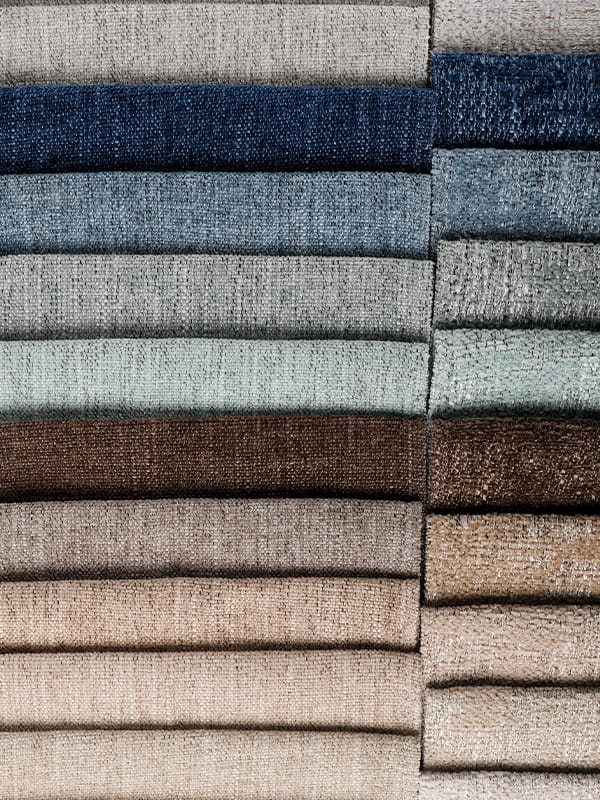
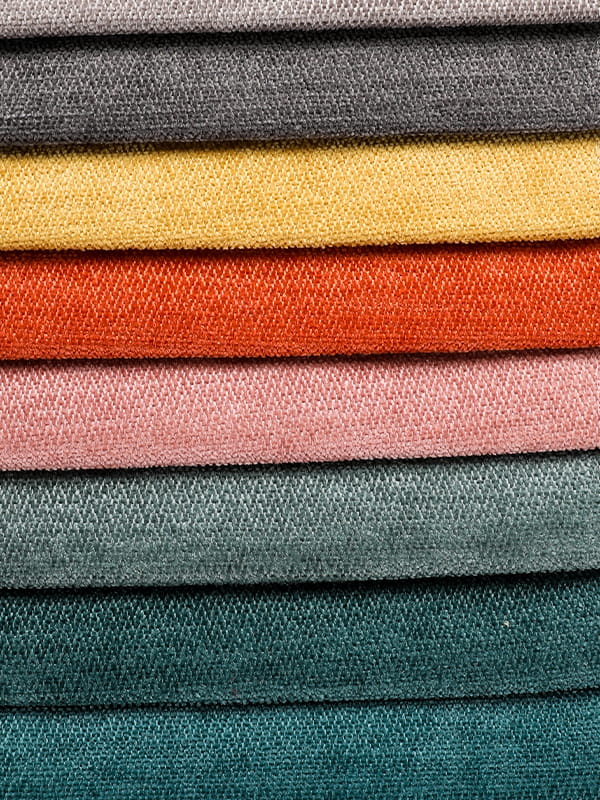
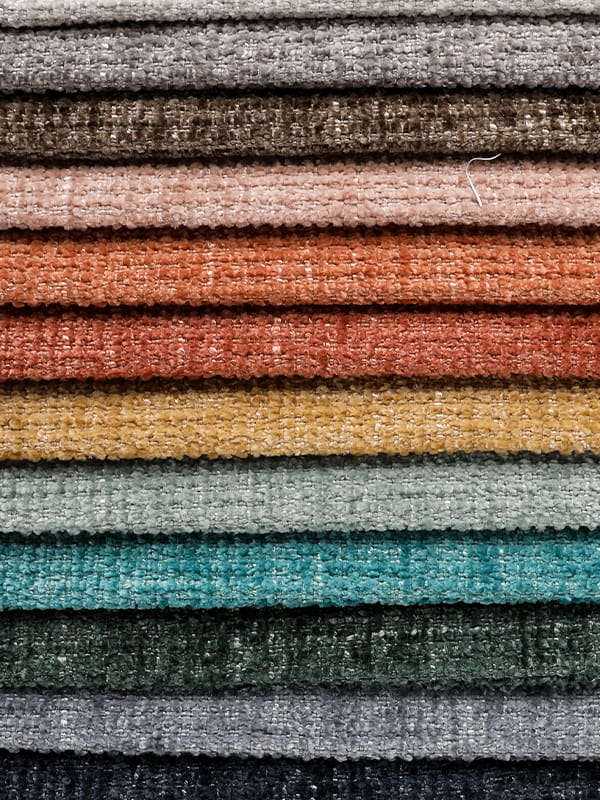
When selecting the perfect fabric for your furniture, the quest often balances between luxurious comfort and practical durability. Enter polyester chenille upholstery, a material that masterfully bridges this gap. Chenille, named for the French word for caterpillar, has long been admired for its exceptionally soft, textured pile that invites touch. Historically, it was a delicate fabric, but modern innovations have transformed it. By blending chenille's signature yarns with robust polyester fibers, today's market offers a fabric that retains its plush, opulent feel while gaining unprecedented resilience, stain resistance, and color vibrancy. This evolution makes it a premier choice for everything from busy family sofas to elegant office chairs and stylish accent pieces. For designers, manufacturers, and wholesalers, understanding the nuances of this fabric is key to delivering products that satisfy end-users' desires for both beauty and longevity. The development of high-performance polyester chenille upholstery fabric represents a significant advancement in textile technology, allowing for greater design flexibility and meeting the rigorous demands of contemporary life. This article delves deep into the characteristics, benefits, and applications of this versatile material.
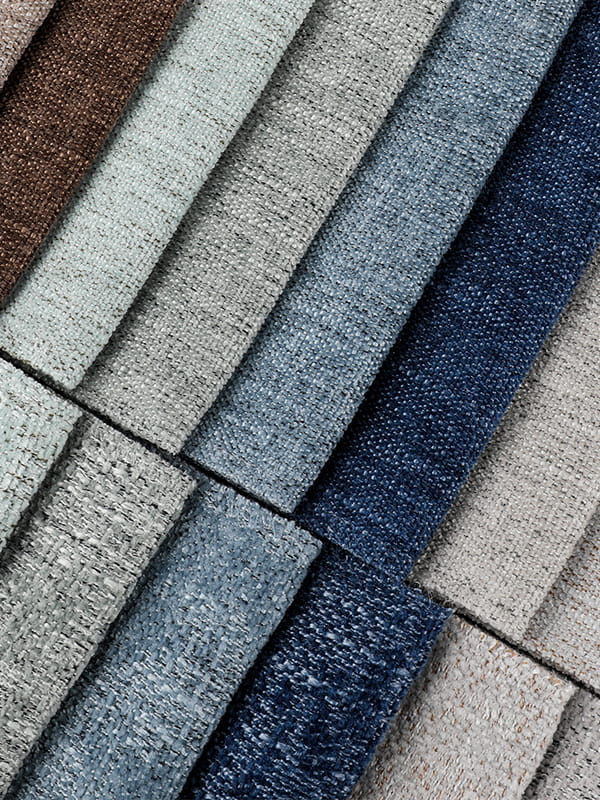
To appreciate its value, one must understand its composition. Chenille is not defined by its fiber content, but by its distinctive yarn structure. Short lengths of yarn, called the "pile," are held between two core yarns, creating a velvety, tufted strand that resembles a caterpillar. This yarn is then woven or knitted into fabric. When the core and pile are made from polyester, the fabric inherits a host of superior properties. Polyester is a synthetic fiber known for its exceptional strength, resistance to stretching and shrinking, and quick-drying capabilities. In the context of chenille, this means the plush surface is built on a foundation designed to last. The fabric resists abrasion from daily use, maintains its vibrant colors against sunlight, and repels moisture more effectively than natural fibers. This synergy between form and function is what sets modern polyester chenille upholstery apart, offering a tactile experience that is both indulgent and intelligently engineered for real-world use.
The true test of any upholstery fabric lies in its performance over time. Polyester chenille upholstery excels in several key areas that matter most to consumers and specifiers, from its renowned durability to its straightforward maintenance.
A primary concern for anyone investing in furniture is how well it will withstand daily life. The question of polyester chenille sofa durability is easily answered by its construction. The polyester fibers provide incredible tensile strength, while the dense chenille pile is resilient against crushing and matting. Industry-standard tests, such as the Martindale rub test, often show high-performance polyester chenille scoring exceptionally well (frequently over 50,000 double rubs), classifying it as suitable for heavy domestic use. It resists pilling and snagging better than many other textured fabrics, making it an ideal choice for households with children and pets. The colorfastness of solution-dyed polyester chenille is particularly noteworthy, ensuring that sofas and chairs retain their rich hue even after prolonged exposure to sunlight.
Maintaining the pristine look of upholstery is a common worry. Fortunately, learning how to clean polyester chenille upholstery is straightforward, adding to its practical appeal. The synthetic nature of polyester makes it less absorbent than cotton or wool, giving you a crucial window to address spills. For daily care, regular vacuuming with an upholstery attachment is sufficient to remove dust and crumbs from the textured surface. For spills, immediate blotting (not rubbing) with a clean, absorbent cloth is key. Most stains can be treated with a mild solution of warm water and a gentle detergent, applied sparingly and blotted dry. Always check the manufacturer's care label first. This ease of maintenance translates to lower long-term costs and greater satisfaction for the end-user, solidifying the fabric's reputation for being both beautiful and user-friendly.
Consumers often compare materials to make the best choice. A frequent comparison is polyester chenille vs microfiber. While both are durable and synthetic, they offer distinct experiences. Microfiber, typically made from ultra-fine polyester or nylon threads, is known for its smooth, suede-like feel and exceptional stain resistance, often treated with additional protective coatings. Chenille, in contrast, offers a warmer, more textured, and traditionally luxurious hand-feel. It provides better breathability than some tightly-woven microfibers. The choice often comes down to aesthetic preference and performance priorities: microfiber for a sleek, ultra-easy-clean surface, or polyester chenille for a more opulent, textured look with very robust durability.
| Feature | Polyester Chenille | Microfiber (Suede-like) |
| Texture & Feel | Soft, plush, textured, dimensional pile. | Smooth, uniform, velvety/suede-like feel. |
| Durability | Excellent, high resistance to abrasion and pilling. | Excellent, very resistant to wear and tearing. |
| Stain Resistance | Good, but spills should be blotted promptly. | Often excellent, with many having built-in stain repellent. |
| Breathability | Generally good due to its pile structure. | Can be lower due to very tight weave. |
| Best For | Living rooms, spaces desiring a luxurious, cozy aesthetic. | Family rooms, offices, spaces prioritizing easy cleaning. |
Not all polyester chenille is created equal. Selecting the right one depends on the intended application. Key factors include weight, density, weave, and pattern. Fabric weight, measured in grams per square meter (GSM) or ounces per square yard (oz), is a reliable indicator of durability; heavier weights (e.g., over 400 GSM) are better suited for high-traffic furniture like sofas. The density of the pile affects both the feel and how well it conceals seams and wear. A tight, dense pile will be more durable and less likely to show impressions.
As the centerpiece of most living spaces, sofas demand a fabric that is both beautiful and tough. A medium to heavy-weight polyester chenille upholstery fabric is ideal. Look for fabrics with a high double-rub count and a tight pile construction. Patterns, such as subtle jacquard weaves or tonal textures, can help hide minor stains and wear. The resilience of polyester chenille means it will maintain its comfort and appearance through years of use, making it a sound investment for core furniture pieces.
The use of polyester chenille fabric for chairs opens a world of design possibilities. For dining chairs, a durable, medium-weight chenille that is easy to clean is perfect. For accent chairs or headboards, you can explore lighter weights or more elaborate patterns and richer colors to create a focal point. The fabric's inherent softness makes it exceptionally comfortable for seating that is used for extended periods, such as in reading nooks or home offices. Its versatility allows it to bridge styles from traditional to contemporary seamlessly.
This is a common and practical concern. Compared to genuine leather or some tightly woven synthetic fabrics, polyester chenille is generally more breathable. Its piled structure creates tiny air pockets, which allow for better air circulation than a solid, non-porous material. However, its warmth can be subjective. It is cozier than a cool linen but typically less insulating than heavy wool. For most indoor, climate-controlled environments, it provides a comfortable, temperature-neutral seating experience year-round.
One of the major advantages of polyester fiber is its dimensional stability. High-quality polyester chenille upholstery fabric is highly resistant to both shrinking and stretching when properly manufactured and applied. Unlike some natural fibers that can relax or contract with humidity and cleaning, polyester maintains its shape. This is crucial for furniture, as it ensures that the upholstery remains taut and smooth on the frame over time, without developing sags or wrinkles. Always ensure the fabric is correctly installed by a professional for the best results.
While standard polyester chenille has good moisture resistance, it is not inherently designed for full outdoor exposure. For damp environments like sunrooms or covered patios, look for specifically treated outdoor chenille fabrics. These are engineered with solution-dyed polyester for extreme UV and fade resistance, and often have additional mold and mildew inhibitors. For indoor use, its moisture-wicking properties make it a suitable choice for areas where occasional spills might occur, but it should not be used in constantly wet conditions.
Polyester chenille upholstery offers excellent value. It is generally more affordable than high-end natural materials like top-grain leather, silk, or premium wool blends. It is competitively priced with other quality synthetics and mid-range natural fabrics like some cottons. When you factor in its durability, low maintenance needs, and luxurious appearance, it often presents a lower total cost of ownership over the life of the furniture, making it a cost-effective choice for both residential and commercial projects.



 English
 عربى
عربى Español