Content
Selecting the right upholstery for a new sofa is one of the most significant decisions in interior design, impacting not only the aesthetic appeal of a living space but also the long-term functionality and comfort of the furniture. The debate between linen vs polyester sofa options is a classic dilemma for homeowners and designers alike, as both materials offer distinct advantages that cater to different lifestyles and preferences. On one hand, linen is celebrated for its natural breathability, luxurious texture, and eco-friendly origins, offering a timeless elegance that softens the look of any room. On the other hand, polyester is renowned for its incredible durability, stain resistance, and affordability, making it a practical choice for busy households with children or pets. Understanding the intrinsic properties of these fibers, including their maintenance requirements and wear patterns, is crucial for making an informed purchase. As the textile industry evolves, innovations such as tech fabrics and polyester-linen blends are bridging the gap between natural luxury and synthetic resilience, offering consumers the best of both worlds.
When evaluating the longevity of furniture, the material composition of the upholstery is the primary factor to consider. The comparison of linen vs polyester sofa materials often centers on how well the fabric withstands the rigors of daily use, including abrasion, pilling, and fading. While natural fibers like linen offer a premium feel, they can behave differently under stress compared to synthetic polymers. Manufacturers often address these challenges by creating specialized blends that leverage the strengths of both fibers. For instance, a linen blend sofa durability is significantly enhanced when combined with synthetic fibers, which provide structural support and elasticity that pure linen lacks. Conversely, the development of high-tech polyesters has resulted in fabrics that mimic the soft hand of natural fibers while retaining the toughness of engineered polymers. This section delves into the mechanical performance of these materials, providing a detailed analysis to help you determine which fabric aligns best with your durability requirements.
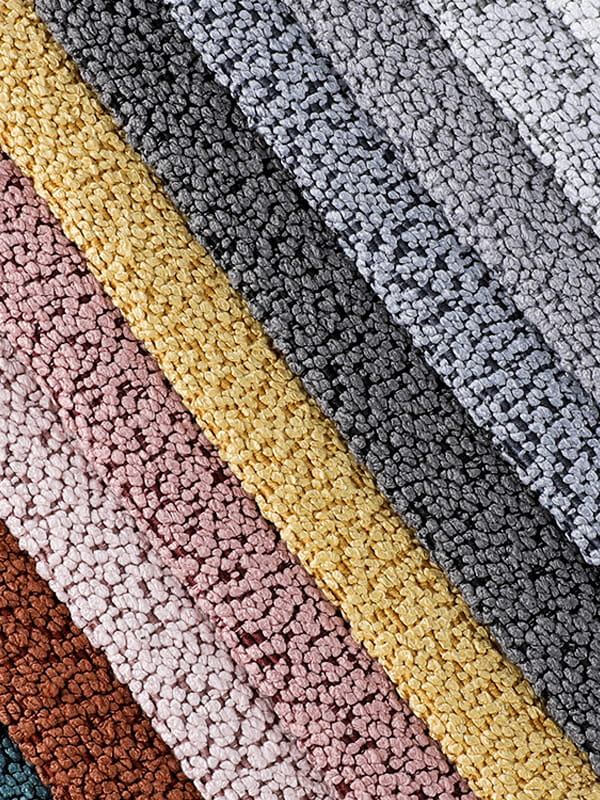
Pure linen, derived from the flax plant, is known for being one of the strongest natural fibers in the world. However, its tendency to wrinkle and its lack of elasticity can sometimes lead to wear at stress points like seat cushions and armrests. This is where linen blend sofa durability becomes a key topic of interest. By blending linen with materials such as polyester, rayon, or viscose, manufacturers can create a fabric that retains the cool, breathable touch of linen while gaining added strength and flexibility. These blends are less prone to stretching and sagging over time, ensuring that the sofa maintains its shape and structural integrity for years. Additionally, these blends often resist the formation of creases better than 100% linen, making them a more practical option for everyday living without sacrificing the natural, organic aesthetic that homeowners desire.
Polyester is a ubiquitous synthetic fiber that dominates the upholstery market due to its versatility and performance characteristics. When examining polyester fabric sofa pros and cons, the list of advantages is extensive, particularly regarding its resilience. Polyester is inherently resistant to stretching, shrinking, and abrasion, making it ideal for high-traffic areas. It is also highly resistant to water-based stains and fading from sunlight, which contributes to its longevity. However, the "cons" traditionally included a lack of breathability and a plasticky texture. Advances in textile engineering have largely mitigated these issues, producing high-end polyesters that feel soft and plush. Despite these improvements, consumers should still be aware of the specific properties of polyester compared to natural options.
One of the standout features of polyester is its ability to withstand friction without degrading. In the context of linen vs polyester sofa comparisons, polyester generally outperforms natural fibers in abrasion tests. This makes it a favorite for furniture that sees constant use. Furthermore, high-quality polyester weaves are engineered to be pill-resistant, meaning the fabric surface remains smooth and uniform even after extended use, unlike some lower-grade natural fibers which can develop unsightly fuzz balls over time.
| Feature | Linen Blend | Polyester |
| Abrasion Resistance | Good to High | Excellent |
| Pilling Tendency | Low to Medium | Low |
| Texture Retention | Soft, may soften more | Consistent, smooth |
| Flexibility | Can be rigid | Highly flexible |
Maintenance is a critical factor for busy households, and this is where polyester fabric sofa pros and cons weigh heavily on the "pro" side. Polyester is hydrophobic, meaning it repels liquid and dries quickly if spills occur. This makes cleaning significantly easier compared to linen, which is highly absorbent and can stain easily. While linen often requires professional cleaning to prevent water spots or shrinkage, many polyester fabrics can be spot-cleaned with mild soap and water, making them a practical choice for dining areas or family rooms.
| Factor | Linen | Polyester |
| Stain Resistance | Low (Absorbs liquids) | High (Repels liquids) |
| Cleaning Method | Professional/Dry Clean | Spot clean/Mild detergent |
| Drying Time | Slow | Fast |
| Hypoallergenic | Yes (Natural) | Varies (Synthetic) |
Beyond the physical properties of the fibers, the decision-making process must account for the specific lifestyle needs of the household. A sofa in a formal living room that is used occasionally has vastly different requirements than a sofa in a bustling family room or a rental property. Determining the best fabric for high traffic sofa scenarios involves looking at how the fabric handles constant movement, potential spills, and environmental factors like sunlight and humidity. High-traffic environments demand materials that are not only strong but also easy to maintain and capable of hiding minor imperfections that inevitably occur over time. Conversely, spaces dedicated to relaxation might prioritize tactile comfort and breathability. This section explores how to match the right fabric to the right environment, ensuring that the investment in quality furniture pays off in long-term satisfaction.
When sourcing the best fabric for high traffic sofa applications, durability is paramount, but it must be balanced with comfort. High-performance synthetic fabrics, often categorized as "tech fabrics," are frequently the top choice for these settings. These fabrics are often constructed from tightly woven polyester or acrylic fibers that are treated with performance finishes to resist stains, water, and oils. They are designed to endure the rigors of daily life—children jumping, pets shedding, and frequent guests—without showing signs of wear prematurely. While pure linen is generally discouraged for high-traffic use due to its absorbency and tendency to wrinkle, tech fabrics and sophisticated polyester weaves offer the aesthetic appeal of softer textures while providing the heavy-duty performance required for commercial or busy residential environments.
For those who choose linen for its unparalleled natural beauty, understanding linen couch fabric care is essential to preserve the fabric's appearance and longevity. Linen is a living material that reacts to its environment; it breathes and adjusts to humidity. While this makes it incredibly comfortable to sit on, especially in warm climates, it also means it requires a more gentle touch when it comes to maintenance. Vacuuming regularly with a soft brush attachment is crucial to remove dust from the fibers' crevices. Immediate attention to spills is vital, as linen absorbs liquids rapidly. Blotting—not rubbing—is the golden rule. Furthermore, to protect the fabric from body oils and accumulated grime, using professional cleaning services periodically is highly recommended. Using arm covers and rotating cushions can also extend the life of the sofa by distributing wear evenly.
The porous nature of linen makes it susceptible to stains, which is why proactive measures are a cornerstone of linen couch fabric care. Applying a fabric protector specifically designed for natural fibers can create an invisible barrier against spills. However, these protectors are not foolproof. In the event of a spill, speed is of the essence. Using a clean, white cloth to blot the spill from the outside in prevents it from spreading. It is also advisable to keep the linen out of direct, intense sunlight, which can weaken the natural fibers and cause fading over time.
| Care Step | Recommended Action |
| Regular Vacuuming | Weekly with a soft brush attachment |
| Spill Response | Blot immediately, do not rub |
| Sun Exposure | Avoid direct UV light to prevent fading |
| Deep Cleaning | Professional dry cleaning annually |
Wrinkles are an inherent characteristic of linen, often considered part of its charm. However, for those who prefer a crisper look, steaming the fabric can help relax the fibers. When considering linen vs polyester sofa aesthetics, remember that linen will develop a relaxed, lived-in look over time, whereas polyester tends to hold its shape rigidly. To manage wear on linen, avoid sitting on the very edges of cushions, as this can cause the fabric to stretch and distort. Regular fluffing and rotation of the cushions will help maintain an even distribution of wear and keep the sofa looking plush and inviting.
| Issue | Linen Solution | Polyester Solution |
| Wrinkles | Steam, embrace natural texture | Low wrinkle, smooths out easily |
| Cushion Slumping | Rotate weekly, restuff if needed | Resilient fibers bounce back |
| Surface Wear | Distribute weight evenly | Highly resistant to compression |
The evolution of sofa fabrics is driven by manufacturers who are constantly pushing the boundaries of what is possible with textile technology. Leading the charge in innovation and quality is Haining Weite Sino Technology Co., Ltd., a company that has carved out a niche as a specialist in sofa and decorative fabrics. Since its inception more than 10 years ago, Haining Weite has developed a sterling reputation among both domestic and international client groups. As a trade-body type enterprise integrating design, R&D, production, and sales, they understand that the modern market requires more than just standard off-the-shelf options. They have independently developed more than ten new products to complement their extensive stock, specifically in response to the market demand for reduced order quantities. This agility allows them to serve not just large-scale furniture factories but also wholesale retailers who may not have massive storage space but require a continuous turnover of high-quality, trendy designs.
Haining Weite Sino Technology Co., Ltd. stands out in the industry due to its comprehensive approach to textile manufacturing. Their product portfolio is vast, covering warp-knitted velvet, polyester linen, tech fabric, jacquard, chenille, woven fabric, and more. This variety ensures they can meet the diverse needs of different customers, whether they are looking for the soft luxury of velvet or the rugged durability of a tech fabric. The company's expertise in producing polyester linen is particularly relevant to the linen vs polyester sofa debate, as they successfully merge the aesthetic of linen with the performance of polyester. By focusing on R&D, they ensure their fabrics are not only beautiful but also engineered to meet the rigorous standards of modern durability and safety. Their commitment to quality has made them a trusted partner for businesses looking for reliable supply and innovative fabric solutions.
The strength of Haining Weite Sino Technology Co., Ltd. lies in its ability to anticipate market trends and translate them into tangible products. Their service is designed to be inclusive, catering to customers who do not place a single, very large order but instead require a steady stream of inventory. This model supports wholesale retailers and furniture factories in managing their cash flow while keeping their product offerings fresh. The independent development of over ten new products demonstrates their proactive stance on innovation. Whether it is creating a polyester linen that feels indistinguishable from natural flax or developing a tech fabric that repels wine and coffee, their R&D team is dedicated to solving real-world problems for furniture manufacturers and consumers alike.
To provide the best fabric for high traffic sofa options, a manufacturer must possess a diverse portfolio. Haining Weite's range includes warp-knitted velvet for a touch of luxury, chenille for texture and warmth, and jacquard for intricate patterns. This diversity ensures that they can supply the right fabric for any design requirement, from opulent hotel lobbies to minimalist modern homes. Their mastery of synthetic blends means they can offer the linen blend sofa durability consumers crave without the high maintenance of pure linen.
| Fabric Type | Primary Use | Key Benefit |
| Polyester Linen | General Upholstery | Natural look, synthetic durability |
| Tech Fabric | High Traffic Areas | Waterproof, easy clean |
| Warp-Knitted Velvet | Luxury/Design | Soft luster, rich color |
| Chenille | Comfort/Texture | Soft touch, durability |
Understanding that the global market is varied, Haining Weite Sino Technology Co., Ltd. offers services that are flexible and customer-centric. They welcome customers to negotiate and cooperate, tailoring their output to meet specific order quantities and design specifications. This flexibility is rare in an industry that often demands massive minimums. By supporting smaller retailers with continuous turnover of stock, they help small businesses thrive. Their products are exported globally, proving that their quality meets international standards. Whether it is a complex jacquard pattern for a boutique hotel chain or a durable polyester blend for a mass-market retailer, Haining Weite provides the professional manufacturing backbone needed to bring furniture visions to life.
| Service Feature | Benefit to Customer |
| Low MOQ Development | Access to new trends without high risk |
| Continuous Stock Turnover | Reliable supply for ongoing orders |
| Custom R&D | Unique fabrics exclusive to brand |
| Global Export | Competitive pricing and logistics |
The choice depends on your lifestyle. If you prioritize breathability, natural texture, and a relaxed look, linen is better. However, if you need stain resistance, durability, and easy maintenance, especially for high traffic areas, polyester is the superior choice.
Yes, linen blend sofa durability is significantly improved over pure linen. The addition of synthetic fibers like polyester helps the fabric resist tearing, stretching, and wrinkling, making it a suitable and stylish option for family rooms.
One of the major polyester fabric sofa pros is its ease of cleaning. Most spills can be spot-cleaned with a mixture of mild detergent and water. Its synthetic fibers repel water, preventing liquids from soaking in immediately.
The best fabric for high traffic sofa use is typically a high-performance synthetic, such as tech fabric or a tight-weave polyester. These materials offer high abrasion resistance and are often treated to be stain and water-resistant.



 English
 عربى
عربى Español