Content
Choosing the perfect sofa is a significant decision that blends aesthetics, comfort, and practical daily living. At the heart of this choice lies the upholstery fabric, which dictates not only the look and feel of your centerpiece furniture but also its longevity and ease of care. The debate between a polyester vs linen couch is a common one, pitting a versatile synthetic workhorse against a cherished natural classic. Polyester, a man-made fiber, is renowned for its exceptional durability, stain resistance, and color retention, often offering a more budget-friendly and low-maintenance option. Linen, derived from the flax plant, is celebrated for its breathable, textural beauty, cool touch, and timeless, casually elegant appearance that gains character over time. However, it can be prone to wrinkling and requires more thoughtful care. To navigate this decision, you must look beyond surface appeal and consider key lifestyle factors. This comprehensive guide delves into the critical comparisons that matter most: the long-term polyester vs linen couch durability, the day-to-day reality of polyester vs linen couch cleaning, their suitability as a polyester vs linen couch for pets, a clear polyester vs linen couch cost comparison, and ultimately, provides actionable insights to answer polyester vs linen couch which is better for your specific home environment. By understanding the inherent properties and trade-offs of each material, you can invest in a sofa that brings joy and function for years to come.
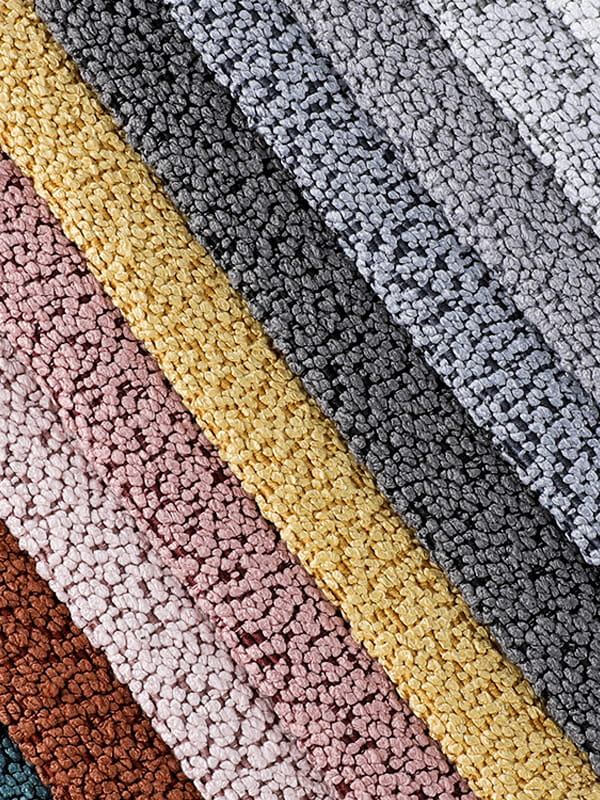
The decision between polyester and linen upholstery is fundamentally a choice between engineered performance and natural character. Polyester fibers are extruded and can be precisely engineered for specific traits like high tensile strength, resistance to pilling, and built-in stain repellency. Modern polyester fabrics can mimic the textures of linen, cotton, or even wool with impressive accuracy, offering aesthetic versatility alongside rugged performance. Linen, in contrast, is a product of nature. Its fibers are irregular, which gives the fabric its beloved slubby texture and organic feel. This irregularity also means it has less inherent elasticity and can be more susceptible to abrasion in looser weaves. The choice impacts the sofa's microclimate—polyester tends to be less breathable, while linen's porous structure allows for superior air circulation, keeping you cooler in warm weather. This section breaks down the comparison into the practical categories that directly affect your daily life and long-term satisfaction, moving from technical performance to real-world livability.
When assessing polyester vs linen couch durability, we must consider resistance to abrasion, pilling, fading, and general wear. Polyester is a remarkably strong synthetic fiber with high abrasion resistance, making it excellent for withstanding the friction of daily sitting, lounging, and moving. It is less likely to develop pills (those small fabric balls) compared to many natural fibers and is highly resistant to stretching, helping the sofa maintain its shape. Its color is typically solution-dyed, meaning pigment is added during the fiber creation process, leading to exceptional fade resistance against sunlight. Linen, while strong in its own right when dry, is more vulnerable to abrasion, especially when wet. Its fibers can break with repeated friction in high-stress areas like armrests and seat edges. Linen also has a tendency to wrinkle and crease permanently along stress lines, which some appreciate as "character" but others may view as premature wear. The durability of both fabrics is heavily influenced by weave tightness and fabric weight—a densely woven, heavy linen can be quite durable, while a lightweight polyester may not be.
| Durability Factor | Polyester Couch | Linen Couch |
| Abrasion Resistance | Very High | Moderate to High (depends on weave) |
| Pilling Tendency | Very Low | Low to Moderate |
| Fade Resistance (Sunlight) | Excellent | Good (but dyes may fade over time) |
| Shape Retention | Excellent | Good (may wrinkle and sag over time) |
The reality of polyester vs linen couch cleaning is a major practical differentiator for busy households. Polyester's synthetic nature makes it inherently more stain-resistant. Most spills bead up on the surface initially, allowing time for blotting. Many polyester upholstery fabrics are treated with additional stain-release finishes, and some are even engineered to be cleaned with water and mild soap without leaving a ring. This makes spot-cleaning accidents from food, drinks, or kids relatively straightforward. Linen, being a natural cellulose fiber, is absorbent. It drinks up spills quickly, which can lead to immediate staining if not addressed promptly. While many linen fabrics are treated with stain-resistant finishes, they are generally not as effective as on polyester. Cleaning linen often requires more specific care; water-based cleaning can cause water marks, and professional cleaning is frequently recommended for set-in stains. Furthermore, linen is prone to wrinkling, requiring regular plumping and smoothing to maintain a neat appearance, whereas polyester typically springs back to a smooth state.
Choosing a polyester vs linen couch for pets involves evaluating fabric performance against claws, fur, dirt, and odors. For pet owners, polyester usually holds a significant advantage. Its tight, synthetic fibers are more difficult for pet claws to snag and pull, especially in textured weaves like microfiber or canvas. Pet hair tends to sit on the surface of polyester and is easier to remove with a lint roller or vacuum attachment. Its superior stain resistance also helps with muddy paws or accidents. Most importantly, polyester fabrics are less absorbent, making it harder for pet odors to penetrate deep into the fibers. Linen, with its looser, natural weave, can be a magnet for pet hair that embeds itself. Its absorbent nature means pet odors from saliva or accidents can be more readily absorbed and harder to eliminate. Claws can more easily catch on slubs or loose threads in linen, leading to pulls or damage. If you have pets, a very tightly woven, treated linen might be manageable, but polyester is often the more stress-free choice.
| Pet-Related Concern | Polyester Couch Performance | Linen Couch Performance |
| Shedding/Fur | Easy to vacuum/roll off | May cling to textured surface |
| Claw Scratches/Snags | Resistant (especially in tight weaves) | Vulnerable (loose weaves can pull) |
| Accident & Odor Absorption | Low (spills stay on surface) | High (absorbs quickly) |
| Dirt from Paws | Easy to brush/clean off | May grind into texture |
A polyester vs linen couch cost comparison involves both upfront price and long-term value. As a rule, sofas upholstered in 100% linen are typically more expensive than those in polyester. This is due to the cost of cultivating flax, the more complex processing of linen fibers, and its status as a premium natural material. Polyester, being a mass-produced synthetic derived from petroleum, is generally less costly to manufacture. However, price ranges within each category are vast. You can find high-end, performance-grade polyester fabrics that rival linen in price, and lower-quality linen blends that are more affordable. When considering long-term value, factor in durability and maintenance costs. A more expensive but highly durable polyester couch that resists stains and wear from pets/kids may offer better value over 10 years than a delicate linen couch that requires professional cleaning or shows wear quickly. Always consider the total cost of ownership, not just the price tag.
So, in the debate of polyester vs linen couch which is better? The answer is entirely dependent on your personal priorities and lifestyle. There is no universal winner. Choose a polyester couch if your top priorities are durability, easy cleaning, stain resistance, pet-friendliness, and budget-consciousness. It's the pragmatic choice for active families, pet owners, or anyone who wants beautiful furniture without constant maintenance anxiety. Choose a linen couch if you prioritize natural materials, breathable comfort, a unique textural aesthetic that ages gracefully, and a relaxed, organic vibe. It is ideal for adult-oriented households, those in cooler climates or with strong air conditioning, and individuals who appreciate the evolving character of natural fibers and don't mind a more involved care routine.
This is a common perception, but modern textile manufacturing has largely outdated it. While low-quality polyester can feel plastic-y or stiff, high-quality polyester fabrics are engineered to have a soft, luxurious hand-feel. Many are designed to closely mimic the texture and drape of natural fibers like linen, cotton, or wool. The key is to look for descriptors like "textured," "canvas weave," or "linen-look" and, most importantly, to feel the fabric in person if possible. A well-constructed polyester vs linen couch comparison often reveals that the polyester option can feel just as substantial and inviting, while offering practical benefits that linen cannot match.
Steam cleaning a linen couch is generally not recommended as a primary cleaning method. Linen is highly absorbent, and introducing large amounts of moisture through steam can lead to several problems: water marks or rings as it dries unevenly, potential shrinkage of the fabric, and prolonged drying times that could promote mildew growth within the cushioning. For routine polyester vs linen couch cleaning, linen should be spot-cleaned carefully with a minimal amount of appropriate cleaner. For deep cleaning, it is almost always safer to hire a professional upholstery cleaner who understands the specific requirements of natural fibers and uses controlled, low-moisture methods.
Linen is decisively cooler and more breathable than polyester. Linen fibers are hollow and highly absorbent, wicking moisture away from the body and allowing for maximum air circulation. This makes it an excellent choice for hot climates or for people who tend to get warm. Polyester, being a synthetic, is less breathable and can trap body heat, sometimes leading to a warmer, less comfortable sitting experience in humid or hot conditions. If climate comfort is a top priority and you live in a warm area, the natural breathability of linen is a significant advantage in the polyester vs linen couch decision.
Yes, polyester, like many synthetic fibers, is more prone to developing static electricity, especially in dry environments. This static can cause the fabric to attract and cling to dust, lint, and pet hair more readily. However, this can be managed. Using a humidifier to add moisture to the air in your home can reduce static buildup. Regular vacuuming with an upholstery attachment that has a brush can help dislodge dust. Many modern polyester fabrics are also treated with anti-static finishes during manufacturing to mitigate this issue. If static is a major concern, look for fabrics that mention this feature or consider a natural fiber blend.



 English
 عربى
عربى Español