Content
Choosing the right upholstery material is one of the most critical decisions in interior design and furniture manufacturing. The debate between natural fibers and synthetic alternatives has been ongoing for decades, but with modern manufacturing advancements, the lines have blurred. When homeowners and designers ask linen or polyester for sofa, they are essentially weighing the organic appeal and breathability of natural fibers against the resilience and practicality of engineered synthetics. This choice is not merely about aesthetics; it profoundly impacts the longevity of the furniture, the maintenance routine required, and the overall comfort level of the living space. As the textile industry evolves, manufacturers are now able to produce synthetic fabrics that mimic the texture of natural linen while offering superior performance characteristics. Conversely, high-end natural linens are being treated to resist stains and fading. Understanding the fundamental properties of these materials is the first step in making an informed decision that balances lifestyle needs with design vision.
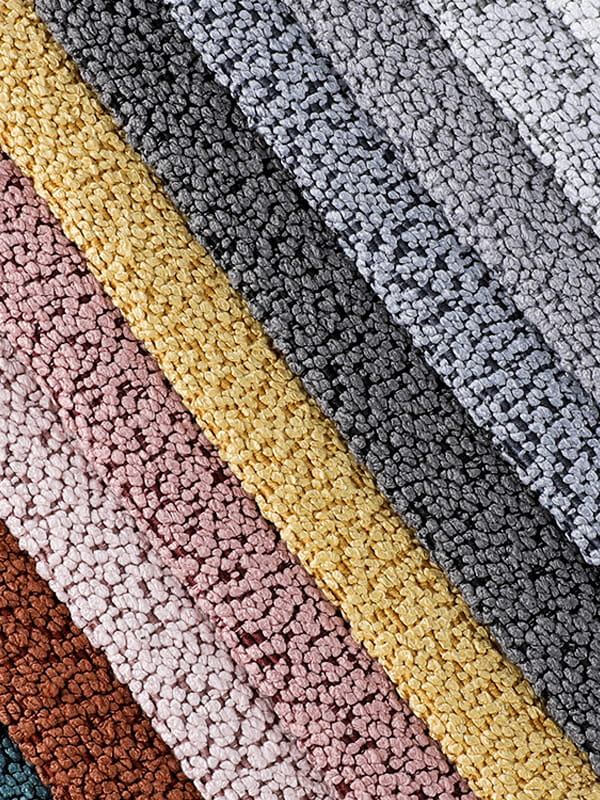
Linen, derived from the flax plant, is one of the oldest textiles in the world, revered for its natural texture and breathability. It is a strong, durable fiber that does not stretch and resists damage from abrasion. However, pure linen has a tendency to wrinkle significantly, which is often considered part of its charm but can be a drawback for those seeking a pristine, crisp look at all times. In the context of upholstery, linen offers a cool, dry touch that makes it exceptionally comfortable in warm climates. It is also naturally hypoallergenic and repellent to insects, making it a healthy choice for the home environment. Despite its strengths, pure linen can be susceptible to fading under prolonged sunlight exposure and may absorb spills quickly if not treated with a protective coating.
Polyester has revolutionized the upholstery industry by providing a durable, cost-effective, and versatile alternative to natural fibers. As a synthetic polymer, polyester can be engineered to possess a wide range of characteristics, from a silky hand feel to a rugged, texture-rich finish. One of the significant advantages of polyester is its ability to hold color vividly and resist fading due to UV exposure, making it ideal for rooms with abundant natural light. Furthermore, polyester is inherently resistant to water-based stains and stretching, ensuring that sofa cushions maintain their shape over years of use. When used in blends, such as poly-linen, it combines the best of both worlds: the aesthetic texture of linen with the durability of polyester, creating a fabric that is both beautiful and functional for high-traffic areas.
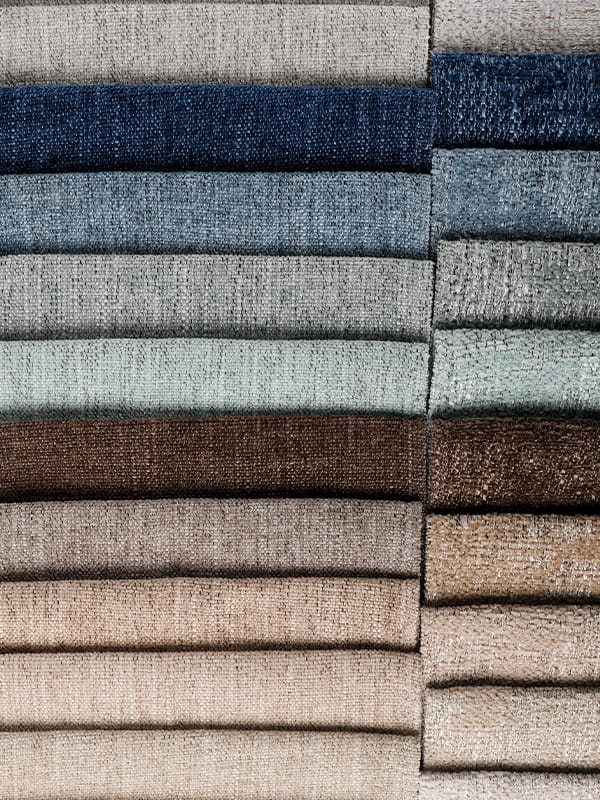
The tactile experience of a sofa is paramount to user satisfaction, as it is the primary point of contact. When comparing linen vs polyester fabric feel, distinct differences emerge. Linen is characterized by a crisp, slightly textured, and "grainy" surface that softens with age but retains a certain structured stiffness. It feels dry and organic. In contrast, polyester can be manufactured to feel incredibly smooth and silky or textured to mimic the nubby feel of linen. While purists may argue that synthetic fabrics lack the "breathability" of natural fibers, modern polyester blends are exceptionally comfortable and often softer to the touch than stiff, new linen.
| Characteristic | Linen Fabric Feel | Polyester Fabric Feel |
| Texture | Textured, Grainy, Nubby | Smooth, Silky, or Engineered Texture |
| Temperature | Cool and Dry | Warm or Neutral (depends on weave) |
| Softness | Stiff initially, softens with use | Consistently soft from the start |
| Flexibility | Relatively Rigid | Flexible and Pliant |
| Tactile Impression | Organic and Earthy | Uniform and Synthetic |
Beyond the initial look and feel, the long-term viability of a sofa fabric depends heavily on its ability to withstand the rigors of daily life. Homeowners must consider factors such as the presence of children, the frequency of cleaning, and the desired longevity of the piece. While natural fabrics offer a luxurious aesthetic, they often require more delicate care. On the other hand, synthetic options are designed to endure wear and tear with minimal upkeep. The decision-making process involves evaluating linen sofa durability and maintenance alongside the robustness of synthetic alternatives. This section delves into the practical aspects of ownership, providing a realistic view of how each fabric performs under the pressures of spills, sunlight, and constant friction.
When discussing linen sofa durability and maintenance, it is essential to acknowledge that linen is a strong fiber—stronger than cotton—but its maintenance requirements are high. Linen is highly absorbent, meaning liquid spills can penetrate the fibers quickly, leading to potential staining if not addressed immediately. Furthermore, linen is prone to sun damage; prolonged exposure to direct sunlight can weaken the fibers and cause the vibrant colors to fade. Maintaining a linen sofa often involves professional cleaning to prevent shrinkage and distortion of the weave. However, with proper care, a high-quality linen sofa can last for decades, developing a unique patina that adds character to the furniture over time.
In contrast, the polyester sofa fabric advantages are heavily centered around ease of care and resilience. Polyester is hydrophobic, meaning it resists water absorption, allowing spills to bead up on the surface for easy wiping before they soak in. This characteristic makes it an excellent choice for busy households. Additionally, polyester is resistant to pilling and abrasion, ensuring that the surface of the sofa remains smooth even after years of sliding and sitting. It is also less susceptible to sun damage compared to linen, making it a safer option for sun-drenched rooms. The ability to clean polyester fabrics with mild soap and water, without the fear of shrinkage or color loss, adds a layer of convenience that is invaluable in modern life.
For pet owners, the choice of upholstery is particularly challenging as fabrics must withstand claws, fur, and occasional accidents. Analyzing pet friendly sofa fabric linen vs polyester reveals a clear winner for durability. Linen, while natural, can snag easily on pet claws, and its loose weave can trap pet hair which is difficult to remove. Polyester, especially tighter weaves or performance blends, offers a smoother surface that resists snagging and allows for easy removal of pet hair with a vacuum or lint roller. Furthermore, polyester's stain resistance is a boon for dealing with the inevitable mess that comes with owning pets.
| Feature | Linen | Polyester |
| Snag Resistance | Low (Loose weave catches claws) | High (Tighter, durable weave) |
| Hair Removal | Difficult (Hair sticks to texture) | Easy (Smooth surface) |
| Stain Management | Porous (Absorbs accidents) | Resistant (Repels moisture) |
| Odor Retention | Low (Natural fiber breathes) | Low if cleaned regularly |
| Cleanability | Professional cleaning often needed | Spot cleanable and durable |
The textile industry is not stagnant; it is a hub of innovation where traditional materials are re-engineered to meet contemporary demands. Leading manufacturers are now blurring the lines between the natural and synthetic worlds, creating fabrics that offer the performance attributes of synthetics with the tactile beauty of natural fibers. This shift addresses the consumer desire for furniture that looks luxurious and feels organic but stands up to the rigors of modern life. Companies are increasingly integrating advanced R&D to create "Tech Fabrics" and specialized blends that solve age-old problems like fading, staining, and wear. These innovations ensure that whether a customer prefers the look of linen or the durability of polyester, there is a high-performance solution available.
One of the most significant trends in the industry is the rise of "Tech Fabric," a category that often utilizes advanced polyester constructions. These fabrics are chemically treated or engineered at a molecular level to repel water, resist stains, and block UV rays. Unlike traditional stiff synthetic fabrics, tech fabrics are soft, breathable, and often indistinguishable from high-end natural textiles. They represent the pinnacle of practical upholstery, allowing for light-colored sofas that remain pristine even in high-traffic family homes. This innovation bridges the gap for consumers who love the look of linen but require the resilience of high-tech synthetics.
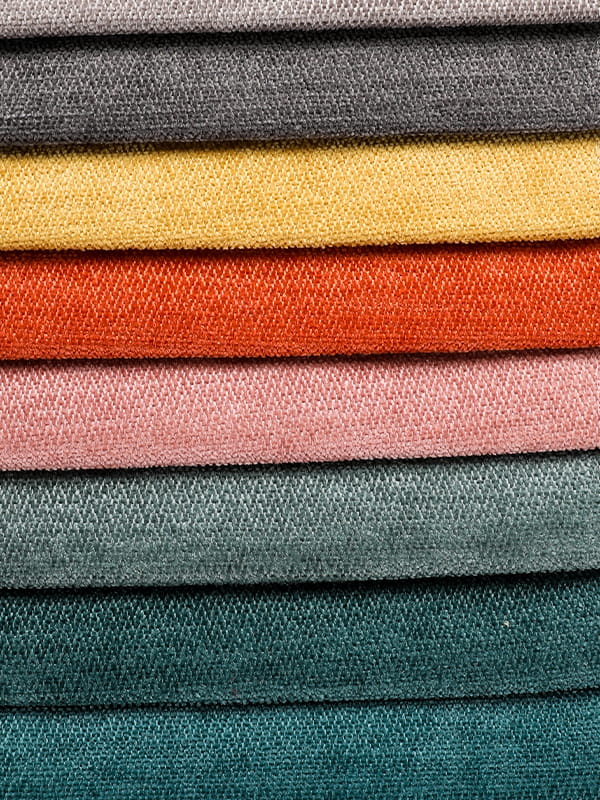
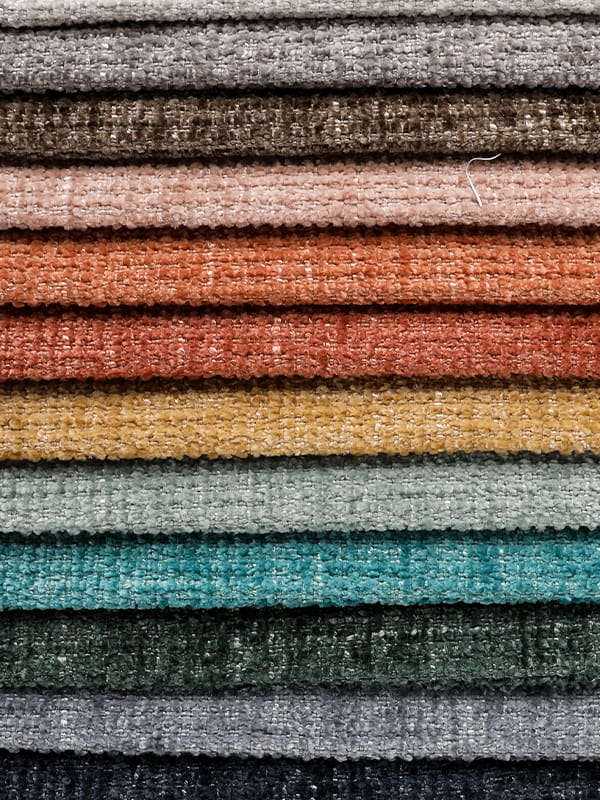
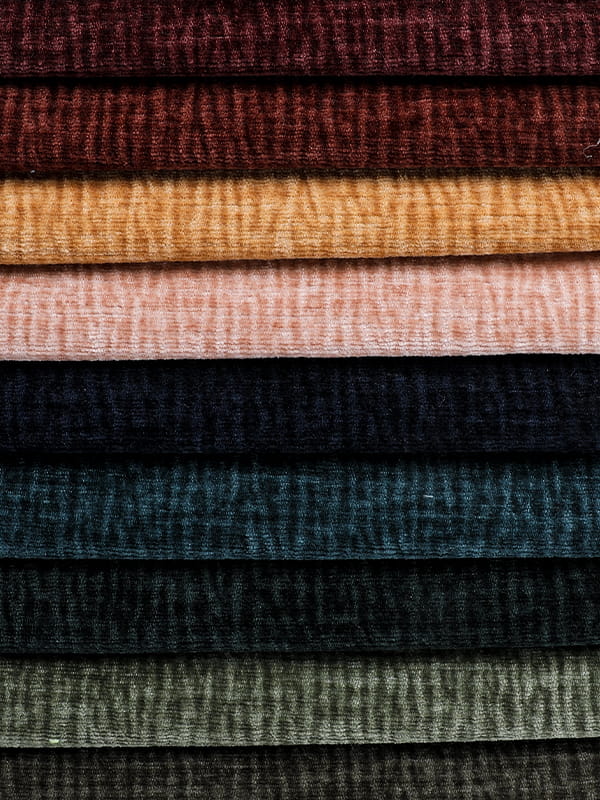
The modern market requires flexibility and a deep understanding of diverse customer segments, from wholesale retailers to boutique furniture factories. Companies must be agile enough to provide a wide range of options, including warp-knitted velvet, polyester linen, tech fabric, jacquard, chenille, woven fabric, and more. This diversity ensures that every design requirement can be met. Furthermore, the ability to offer reduced order quantities is crucial in an era where inventory efficiency is paramount. By independently developing new products to complement stock, manufacturers can keep their offerings fresh and relevant. The service model has shifted from supporting only massive bulk orders to also fostering relationships with clients who need continuous, smaller turnovers, ensuring that businesses of all sizes have access to premium materials.
| Market Segment | Key Needs | Company Response |
| Wholesale Retailers | Variety, Stock Availability | Diverse range including velvet, jacquard, linen |
| Furniture Factories | Consistency, Customization | R&D, Warp-knitted velvet, Woven fabric |
| Boutique Designers | Low MOQ, Unique Fabrics | Reduced order quantity support, New product dev |
| Large-scale Projects | Bulk Reliability | Proven supply chain, Production capacity |
Haining Weite Sino Technology Co., Ltd. is a company specializing in sofa fabrics, decorative fabrics, design, R&D, production, and sales Trade-body type enterprises. After more than 10 years of development, we have established a good reputation in both domestic and foreign sales of customer groups. This decade-long journey has allowed the company to refine its craft and understand the nuanced needs of the global furniture industry. By integrating every step of the process—from initial design concept to final production—the company ensures strict quality control and the ability to rapidly adapt to new trends. This holistic approach has solidified its status as a trusted partner in the textile sector, capable of delivering not just fabric, but comprehensive material solutions that drive success for its clients.
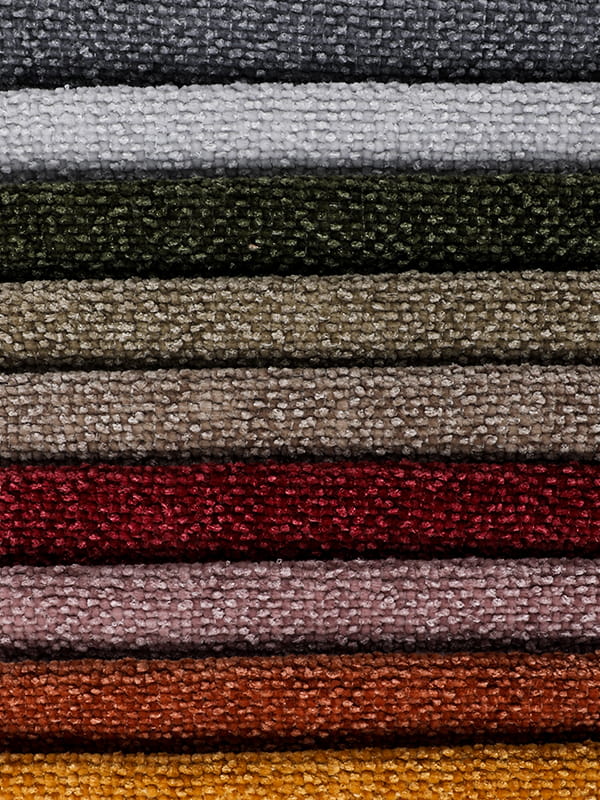
Innovation is at the core of the company's product strategy. Our products cover warp-knitted velvet, polyester linen, tech fabric, jacquard, chenille, woven fabric, and so on. We can meet the needs of different customers. We have independently developed more than ten new products to complement the stock in response to the market demand for a reduced order quantity. This commitment to R&D ensures that the inventory remains relevant and competitive. By offering specialized fabrics like polyester linen—which combines the look of natural fiber with the strength of synthetics—and cutting-edge tech fabrics, the company addresses the full spectrum of consumer preferences, from traditional luxury to modern practicality.
| Product Category | Description | Application |
| Warp-knitted Velvet | Soft, plush, durable knit | Luxury sofas, Chairs |
| Polyester Linen | Blended texture, resilient | Modern classic furniture |
| Tech Fabric | High-performance, protective | Family-friendly, Pet-friendly upholstery |
| Jacquard | Intricate woven patterns | Decorative pieces, Curtains |
| Chenille | Soft, fuzzy texture | Cozy blankets, Upholstery |
Understanding the diverse nature of the market, the company prioritizes flexible service models. The service is not a single order and is not very large, but can continue to turn over the single wholesale retailers, furniture factories, and other customers. Welcome customers to negotiate and cooperate. This philosophy acknowledges that sustainable business is built on long-term relationships rather than one-off transactions. Whether supporting a small boutique looking for unique "tech fabric" samples or a large factory requiring bulk "woven fabric," the company is equipped to provide consistent quality and reliable service. This open invitation for cooperation underscores a commitment to mutual growth and success in the global textile marketplace.
In a hot climate, linen or polyester for sofa choice often leans towards linen due to its natural breathability and moisture-wicking properties. However, modern high-tech polyester blends are designed to be breathable as well. Pure linen stays cooler to the touch, while polyester can feel warmer unless it is specifically engineered as a "Tech Fabric" with cooling capabilities.
While linen is durable, linen sofa durability and maintenance can be high-maintenance compared to synthetics. Linen is strong but stains and wrinkles easily. If the cost of professional cleaning and the "lived-in" wrinkled look fit your lifestyle, it is worth the investment. For low-maintenance needs, polyester is often more cost-effective.
The primary polyester sofa fabric advantages include its high durability, resistance to stains, and affordability. Polyester holds color well against sunlight, resists pilling, and is generally easier to clean than natural fibers, making it ideal for busy households with children or pets.
Yes, but the gap is closing. When comparing linen vs polyester fabric feel, pure linen is crisp and textured. However, modern "polyester linen" blends are engineered to mimic the nubby texture of flax closely while providing the softness of synthetic fibers, making the difference much less noticeable to the touch.
When considering pet friendly sofa fabric linen vs polyester, polyester is generally the better choice. It is more resistant to snagging from claws and easier to clean of fur and accidents. Linen can trap hair and catch on claws, making it less practical for pet owners unless the pet is declawed and well-trained.



 English
 عربى
عربى Español