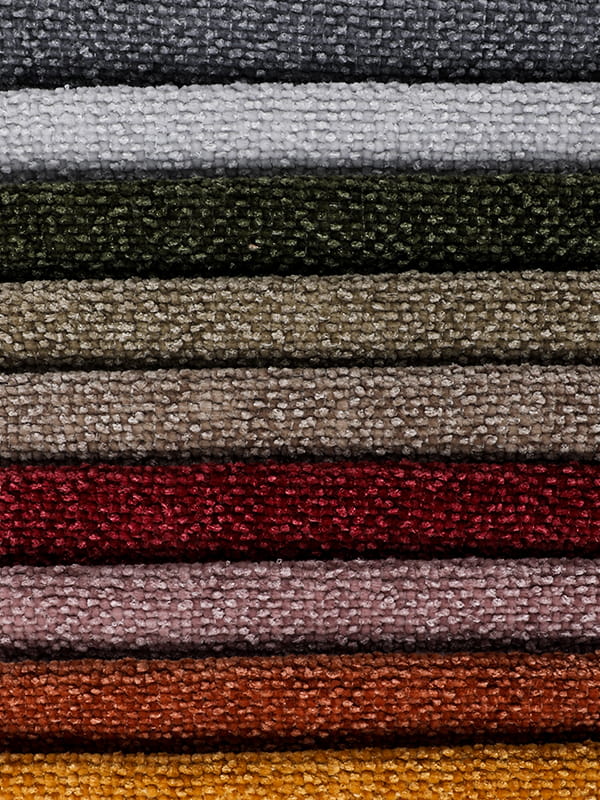
Structural Composition and Fiber Integration Dynamics
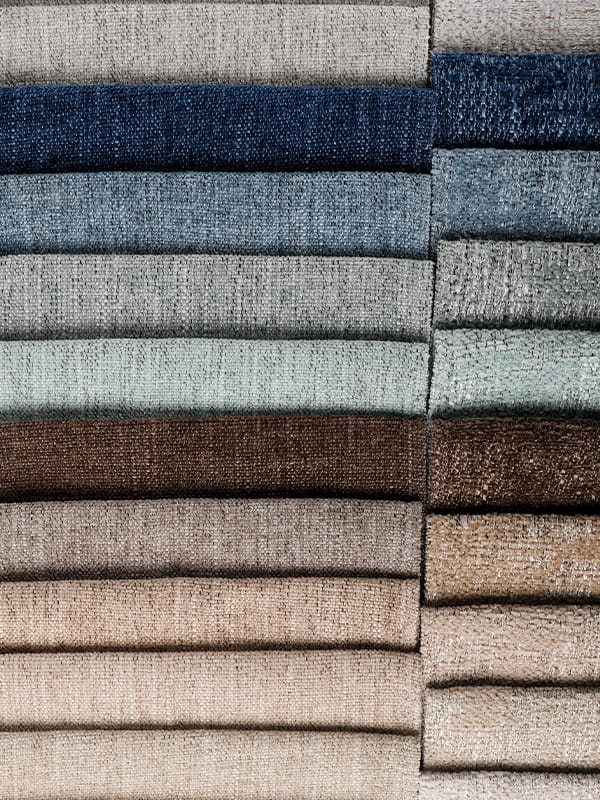
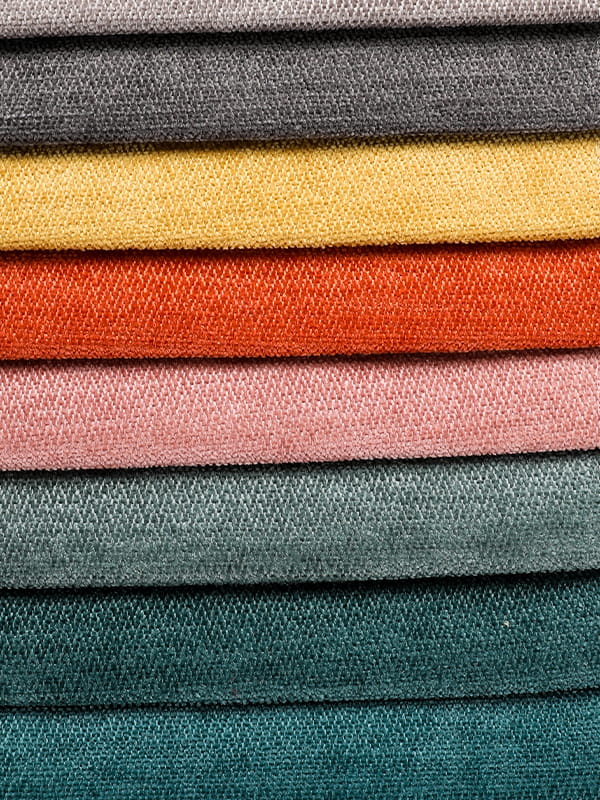
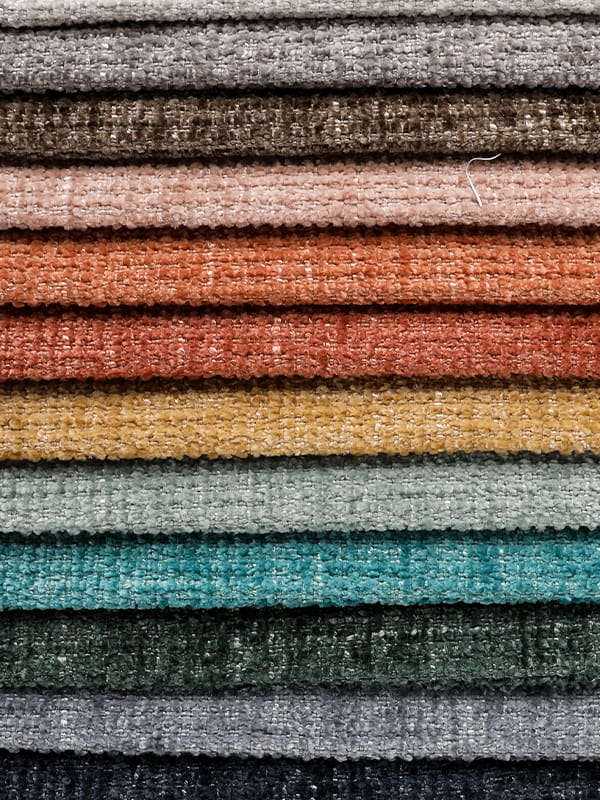
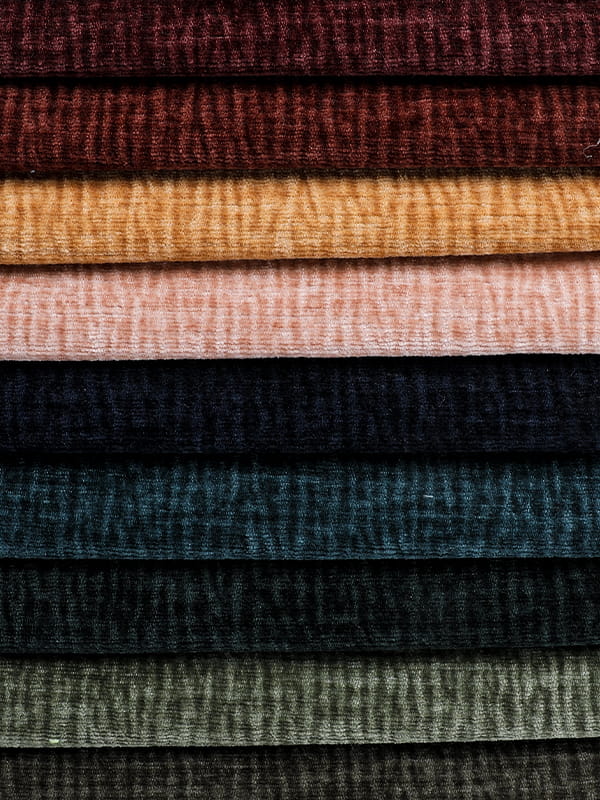
The polyester flax fabric architecture typically utilizes a deliberate blend ratio, such as 80/20 or 70/30, to balance synthetic durability with the irregular cross-sectional geometry of bast fibers. This heterogeneous structure creates natural micro-gaps within the yarn, which directly influences air flow compared to monolithic synthetic weaves.
When analyzing polyester flax vs 100% linen, the inclusion of polyester filaments enhances dimensional stability (ISO 5077), reducing the tendency of the flax fibers to swell excessively when humid, which can otherwise block interstitial pores and restrict ventilation.
The breathability of polyester linen blend materials is quantified through air permeability testing (ASTM D737). By incorporating flax, the fabric achieves a higher CFM (Cubic Feet per Minute) rating than standard high-denier polyester, as the stiff flax pectins prevent the weave from collapsing under tension.
Thermodynamic Performance and Moisture Vapor Transmission
Understanding how polyester flax fabric handles moisture requires looking at the Moisture Vapor Transmission Rate (MVTR). Flax is inherently hydrophilic, absorbing up to 20% of its weight in moisture before feeling damp, while the polyester matrix facilitates rapid capillary action to move that moisture to the fabric surface for evaporation.
In a direct breathability comparison: polyester flax vs synthetic blends, the latter often rely on chemical wicking treatments that degrade over time. In contrast, the polyester flax fabric utilizes the physical "wicking channels" of the flax fiber core to maintain consistent gas exchange throughout the lifecycle of the textile.
For industrial applications, the water vapor permeability of flax blends ensures that sofas or upholstered panels do not trap heat. This is critical in preventing the "clammy" sensation often reported with 100% synthetic microfibers or low-pore density PU-coated fabrics.
Mechanical Stability and Gas Exchange Retention
The durability of polyester flax for upholstery is measured by its resistance to seam slippage (ISO 13936) and tensile strength. High-tenacity polyester warp yarns support the coarser flax weft, ensuring that the open-weave structure necessary for breathability does not compromise the fabric's load-bearing capacity.
Is polyester flax fabric good for hot climates? Technically, yes, because the slubby texture of the flax creates a non-uniform surface contact with the skin (or foam backing), allowing for 3D air circulation that smooth synthetic blends cannot replicate.
To determine what makes polyester flax breathable, engineers point to the low packing factor of the blended yarns. The irregular diameter of flax fibers prevents the yarn from being packed into a dense, air-impenetrable mass during the weaving process.
Performance Testing and Industrial Application Standards
Testing the thermal conductivity of polyester flax reveals a higher heat dissipation rate than pure synthetics. This property is vital for contract-grade furniture where user comfort over extended periods is a primary specification.
The pilling resistance (ASTM D3512) of polyester flax fabric remains superior to many 100% synthetic blends because the long-staple flax fibers act as anchors, preventing the shorter polyester fibrils from migrating to the surface and forming pills that would obstruct air flow.
Engineering FAQ
What is the typical air permeability rating for this blend? Most upholstery-grade polyester-flax blends range between 40 and 90 cm3/cm2/s, depending on the GSM and backing type.
Does a chemical backing affect the breathability? Yes, the application of an acrylic or latex backing for FR (Flame Retardant) purposes can reduce air permeability by up to 60%.
How does the flax content percentage impact cooling? Higher flax content (above 30%) significantly increases hygroscopic cooling but may reduce the Martindale abrasion resistance below 20,000 cycles.
Can this fabric be used for outdoor high-traffic areas? While breathable, the flax component is susceptible to UV degradation; solution-dyed polyester stabilizers are required for outdoor longevity.
How does it perform in humidity compared to cotton-polyester? Polyester-flax is superior as flax dries faster and has natural anti-bacterial properties that prevent odors in humid environments.
Technical References
ASTM D737-18: Standard Test Method for Air Permeability of Textile Fabrics.
ISO 11092: Textiles - Physiological effects - Measurement of thermal and water-vapour resistance.
AATCC 197: Vertical Wicking of Textiles - Data for Moisture Management Analysis.



 English
 عربى
عربى Español