Content
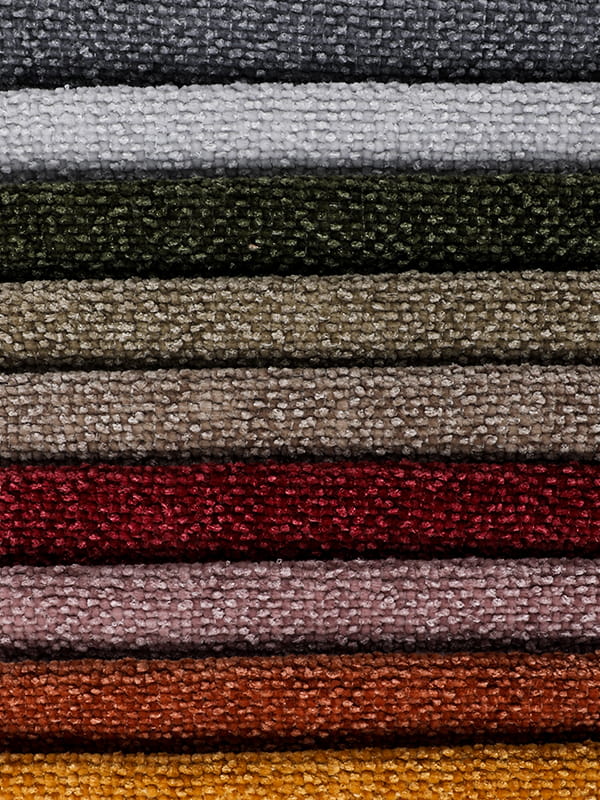
As a professional textile and upholstery solutions provider, our company focuses on durable, high‑performance materials engineered for residential and commercial furniture systems. Surrey Sofa Tech Fabrics are part of the broader category of performance fabrics designed to offer enhanced longevity, aesthetic appeal, and functional benefits. In this article, we explore the performance advantages, material comparisons, maintenance strategies, selection criteria, and common challenges associated with these advanced upholstery textiles.
The global performance fabric market, which includes materials such as surrey sofa tech fabrics for upholstery performance, has experienced significant growth driven by demand for durable, stain‑resistant, and comfortable textiles. According to the latest report by Future Market Report, the furniture performance fabric segment is projected to grow substantially by 2032, with increasing adoption in both residential and commercial applications. These trends reflect a shift toward engineered fabrics that combine aesthetic versatility with measurable performance characteristics.
Source: Performance Fabric for Furniture Market Analysis
Surrey Sofa Tech Fabrics are engineered to deliver a balance of mechanical durability and user comfort. Key performance indicators include tensile strength, abrasion resistance, stain repellence, and consistent texture retention over time. These characteristics make them suitable for high‑use environments such as lounges, offices, and living areas.
Advanced textile engineering techniques, including fiber selection and specialized weaves, contribute to the high performance benchmarks of these fabrics, helping manufacturers meet both aesthetic and functional specifications in upholstery applications.
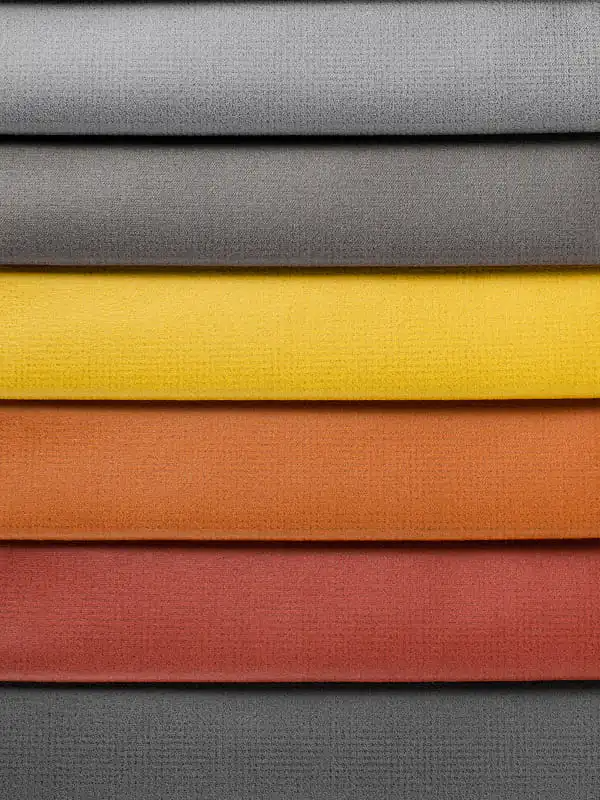
Understanding how surrey sofa tech fabrics vs traditional upholstery materials comparison reveals their relative advantages can guide procurement and design decisions. Traditional fabrics, such as untreated cotton or linen blends, may offer natural feel and breathability but often fall short in abrasion resistance and stain control. Conversely, tech fabrics fabricated with engineered synthetics typically exceed conventional thresholds for wear and maintenance.
| Property | Surrey Sofa Tech Fabrics | Traditional Upholstery Fabrics |
| Abrasion Resistance | High (over 30,000+ double rubs common) | Moderate (often 10,000–20,000 double rubs) |
| Stain Resistance | Engineered coatings, high resistance | Lower resistance without treatment |
| Maintenance Level | Low to moderate | Moderate to high |
| Longevity | Longer service life | Shorter service life |
This performance contrast highlights why upholstery engineers and furniture specifiers increasingly prefer advanced fabrics for long‑term performance and lifecycle value.
Ease of cleaning and long‑term maintenance are major benefits of selecting surrey sofa tech fabrics. Proper care helps preserve texture, color, and structural integrity, especially in high‑traffic environments.
Following best cleaning and maintenance methods for surrey sofa tech fabrics ensures that performance properties such as stain resistance and abrasion durability are maintained over extended periods.
Choosing the right upholstery material involves balancing functional performance with aesthetic goals. When specifying surrey sofa tech fabrics for modern design schemes, consider the following criteria:
Designers and procurement specialists looking at how to choose the right surrey sofa tech fabrics for modern interior designs should evaluate performance specifications, fabric hand, and overall integration with space planning goals.
Even high‑performance fabrics can face challenges under certain conditions. Knowledge of typical issues and mitigation strategies helps maintain upholstery quality throughout its lifecycle.
Understanding common performance issues occur with surrey sofa tech fabrics and how to address them helps facility managers and furniture technicians implement preventive care and sustain visual appeal.
In conclusion, Surrey Sofa Tech Fabrics deliver a compelling combination of durability, comfort, and maintenance ease that make them well‑suited for modern upholstery performance applications. By comparing them with traditional materials, outlining best maintenance practices, and understanding how to select and address common issues, professionals can make informed decisions that align with long‑term upholstery goals.



 English
 عربى
عربى Español