Content
In the competitive landscape of furniture manufacturing and interior design, the selection of upholstery material is a critical determinant of the product's longevity, aesthetic appeal, and market success. As a specialized manufacturer dedicated to textile excellence, we understand that SOFA WOVEN JACQUARD FABRICS represent the pinnacle of weaving technology, offering a complexity of design and durability that printed alternatives simply cannot match. For B2B buyers, procurement officers, and engineers, understanding the technical specifications that define high-quality jacquard is essential for optimizing supply chains and ensuring consumer satisfaction.
High-quality jacquard fabrics are not merely textiles; they are engineered surfaces. They must withstand significant mechanical stress, resist environmental factors, and maintain visual integrity over years of use. This analysis delves into the technical properties, performance metrics, and industry standards that distinguish premium jacquard fabrics suitable for high-end and contract furniture applications.
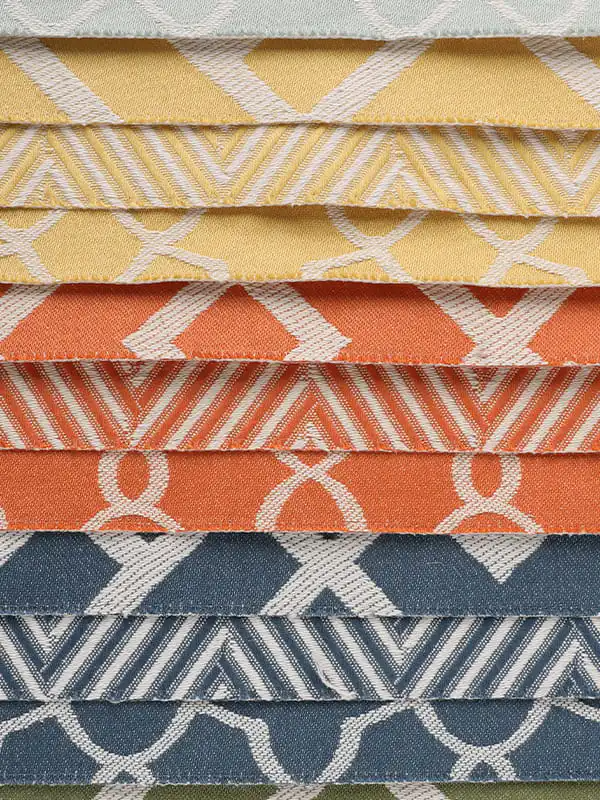
The Jacquard loom represents a historic evolution in weaving, allowing for the independent control of individual warp yarns. This capability enables the creation of intricate, multi-colored patterns that are woven directly into the fabric structure rather than being printed on the surface. For SOFA WOVEN JACQUARD FABRICS, this structural integrity means the pattern is inherent to the cloth, preventing the fading or wear often seen in surface-printed textiles.
Modern jacquard manufacturing utilizes electronic Jacquard heads that can manage thousands of hooks per minute. This precision allows for the creation of complex geometries, florals, and geometric designs with high repeatability. Unlike standard weaves, jacquard fabrics often utilize multiple weft yarns to build texture and color depth simultaneously.
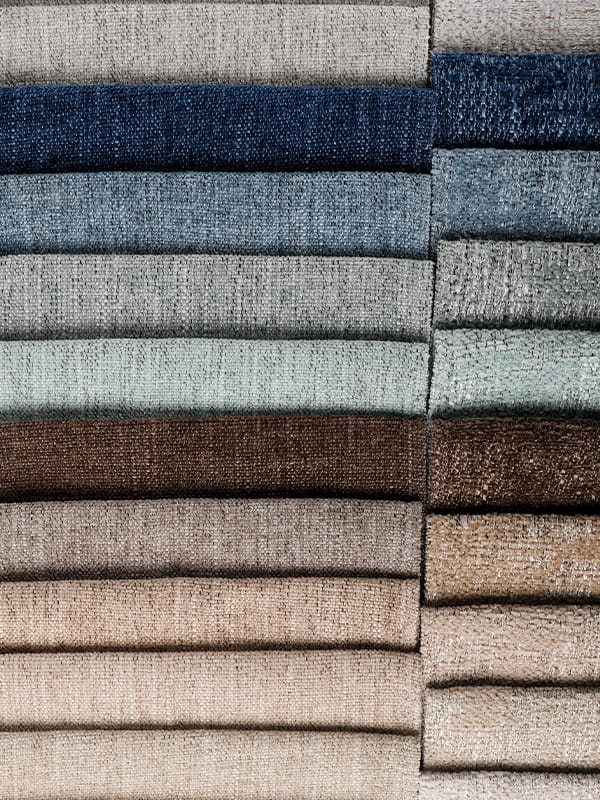
The primary aesthetic advantage of jacquard is the dimensionality it provides. The interlacing of yarns creates a "relief" effect, playing with light and shadow in a way that flat fabrics cannot. This makes SOFA WOVEN JACQUARD FABRICS a preferred choice for luxury furniture where tactile experience is as important as visual design.
Durability is the cornerstone of commercial furniture. When sourcing durable woven jacquard upholstery fabric, engineers and specifiers must rely on standardized testing methods to predict performance in real-world scenarios.
According to the latest industry reports by the Association for Contract Textures (ACT), the performance fabric segment continues to see growth driven by stricter durability requirements in the hospitality and healthcare sectors. The data suggests that fabrics meeting higher abrasion resistance standards are increasingly becoming the baseline specification rather than a premium option.
Source: Association for Contract Textiles (ACT) - Industry Standards
The Martindale test is the global standard for measuring abrasion resistance. It simulates natural wear caused by rubbing. For durable woven jacquard upholstery fabric, the "double rub" count is the critical metric. While residential fabrics may require 15,000 to 20,000 double rubs, high-quality jacquards designed for contract use must withstand upwards of 30,000 to 50,000 cycles without significant thread breakage or visual degradation.
Beyond abrasion, tensile strength (measured in Newtons or pounds-force) indicates the fabric's ability to resist tearing. Additionally, pilling—the formation of small fiber balls on the surface—is a common issue with textured weaves. Premium durable woven jacquard upholstery fabric utilizes high-tenacity yarns and tight weaving constructions to minimize pilling, ensuring the fabric remains smooth over time.
Texture is a defining characteristic of jacquard fabrics. However, achieving a robust sofa jacquard fabric with texture requires a careful selection of yarn types and twisting methods.
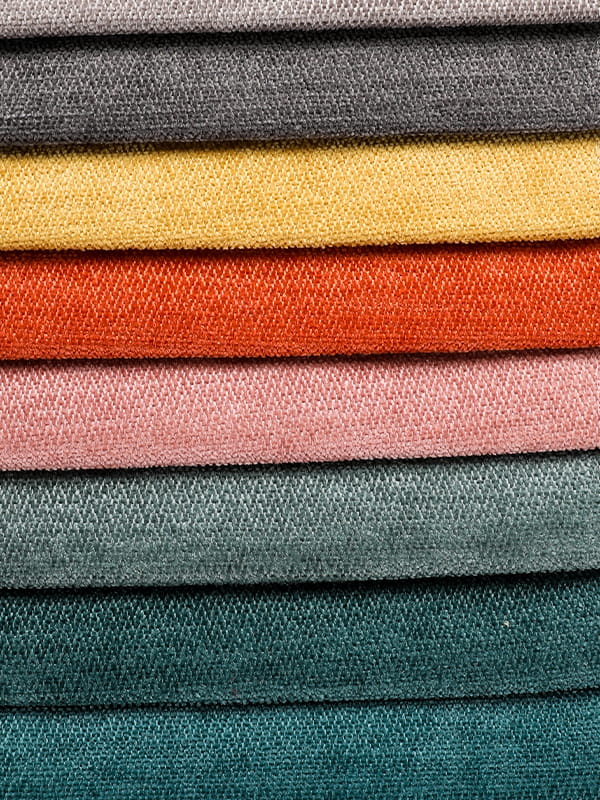
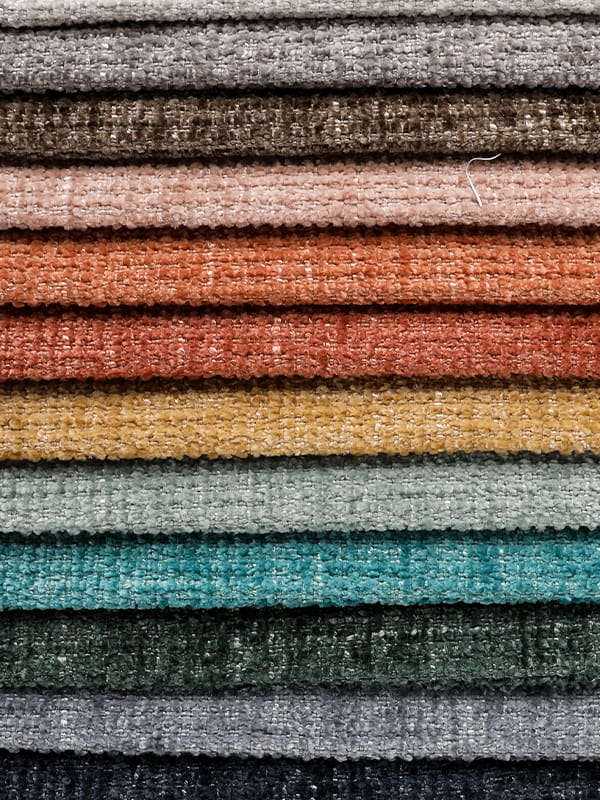
To enhance the tactile experience, manufacturers often incorporate chenille yarns into the weave. Chenille provides a soft, velvety pile, while flat yarns provide structure and definition to the pattern. The combination of these yarns allows for a sofa jacquard fabric with texture that is visually complex yet pleasant to the touch.
The texture in jacquard fabrics affects how light interacts with the surface. A raised weave will cast micro-shadows, giving the fabric a dynamic appearance that changes as the viewer's perspective shifts. This depth is particularly valuable in upholstery, as it hides minor wear and adds a sense of luxury to the furniture piece.
In both residential and commercial settings, maintenance is a key concern. Stain resistant jacquard fabric for furniture incorporates advanced chemical treatments to protect the fiber without compromising the hand-feel or breathability.
Modern stain resistant jacquard fabric for furniture is often treated with nano-finishes. These transparent coatings bond with the fibers at a molecular level to create a barrier against liquids. This technology ensures that spills bead up on the surface rather than being immediately absorbed into the yarn, giving users time to clean the mess before a stain sets.
For comprehensive protection, fabrics must possess both hydrophobic (water-repelling) and oleophobic (oil-repelling) properties. Oil-based substances like salad dressing or body lotion are typically more difficult to remove than water. A high-performance jacquard will feature C6 fluorocarbon or other eco-friendly chemistries that provide dual protection against a wide range of staining agents.
| Property | Treated Stain Resistant Jacquard | Standard Untreated Jacquard |
| Liquid Absorption Rate | Low (Liquids bead on surface) | High (Liquids absorb immediately) |
| Cleaning Method | Wiping with mild soap usually sufficient | Requires professional cleaning often |
| Susceptibility to Mold | Reduced due to moisture barrier | Higher risk if dampness occurs |
| Hand Feel | Unaffected by modern nano-coatings | Natural texture |
For high-traffic environments such as hotel lobbies, waiting rooms, or executive offices, standard upholstery fabrics are insufficient. Heavy duty woven jacquard sofa material is specifically engineered to endure rigorous use.
While natural fibers offer comfort, heavy duty woven jacquard sofa material relies heavily on synthetic fibers for strength. High-tenacity polyester is often the fiber of choice due to its excellent abrasion resistance and colorfastness. Solution-dyed acrylic is another option, offering superior resistance to UV fading, which is crucial for environments with large windows or outdoor exposure.
When specifying heavy duty woven jacquard sofa material, the Martindale rating is non-negotiable. Contract-grade fabrics typically start at 30,000 double rubs, with heavy-duty options reaching 100,000+. These materials are tested to withstand intense friction and weight distribution without tearing or pilling, ensuring the investment in furniture remains sound for years.
At the top end of the market, high quality jacquard fabric for seating is defined by attention to detail and finishing quality.
Color fastness is critical for seating that is exposed to sunlight or frequent cleaning. High quality jacquard fabric for seating should achieve a rating of 4-5 (on a scale of 1-5) on the Grey Scale for color fastness to light (ISO 105-B02) and rubbing. This ensures that the vibrant patterns characteristic of jacquard weaves do not dull or bleed over time.
Quality jacquard often features a specialized backing—such as a latex or synthetic scrim—to add stability and prevent stretching. This is vital for upholstery work, as it ensures the fabric remains taut on the frame and prevents seam slippage. High quality jacquard fabric for seating will have pre-shrunk properties to guarantee dimensional stability during the upholstery process and throughout the furniture's life.
Choosing the correct material is a complex engineering decision that balances aesthetics with performance. Whether prioritizing the advanced durability of durable woven jacquard upholstery fabric, the practical hygiene of stain resistant jacquard fabric for furniture, or the rigorous standards of heavy duty woven jacquard sofa material, buyers must rely on objective technical data.
As a dedicated manufacturer, we are committed to delivering SOFA WOVEN JACQUARD FABRICS that meet the exacting demands of modern furniture production. By integrating advanced weaving technologies with high-performance fiber treatments, we provide solutions that elevate the quality and longevity of your seating products.
Woven jacquard creates patterns by interlacing different colored yarns during the weaving process, making the pattern part of the fabric's structure. Printed jacquard involves applying a pattern onto the surface of an already woven fabric. SOFA WOVEN JACQUARD FABRICS are generally more durable as the pattern does not wear off.
Most stain-resistant jacquards can be cleaned with a mild soap and water solution applied with a soft cloth or sponge. It is important to avoid harsh chemicals or bleach unless specified by the manufacturer, as these can degrade the protective nano-coating.
Yes, heavy-duty jacquard is an excellent choice for homes with pets. The high tensile strength and abrasion resistance make it difficult for claws to snag or puncture. However, choosing a texture with lower contrast (less multicolored) can help hide pet hair more effectively.
Standard jacquard fabrics are designed for indoor use. For outdoor applications, you must specify jacquard fabrics made from solution-dyed acrylic or olefin that are specifically treated with UV inhibitors and water repellents to prevent fading and mildew.
Pilling resistance refers to the fabric's ability to resist the formation of small balls of fiber on the surface caused by friction. High-quality durable jacquards use high-tenacity yarns and tight weaves to achieve high pilling resistance ratings (usually Grade 4 or 5 on the Martindale pilling scale).



 English
 عربى
عربى Español