Content
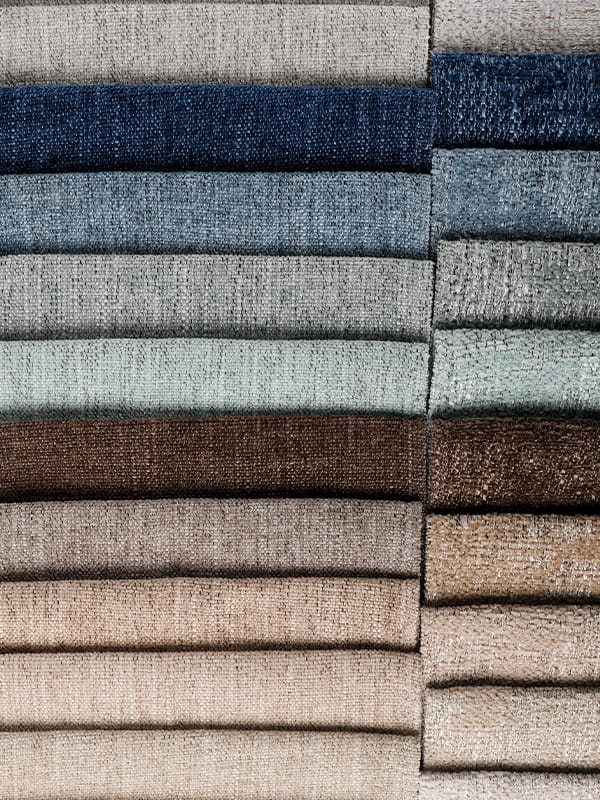
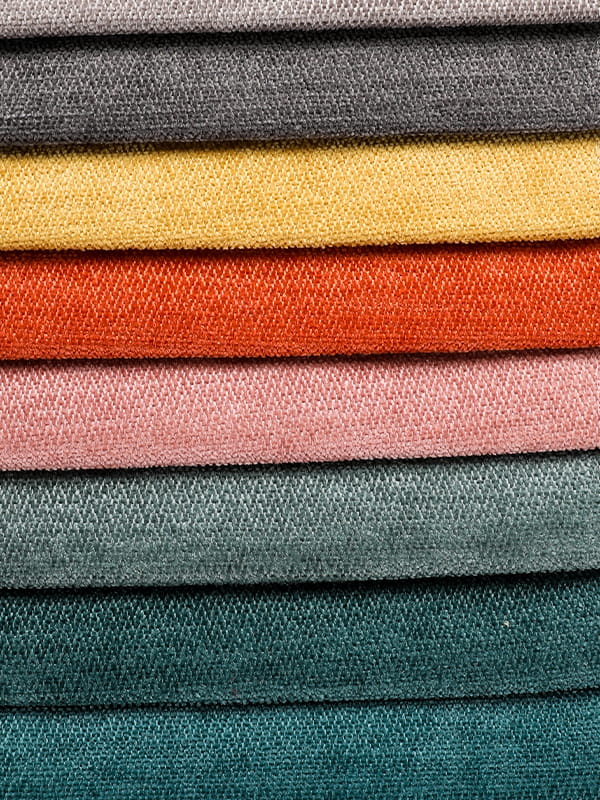
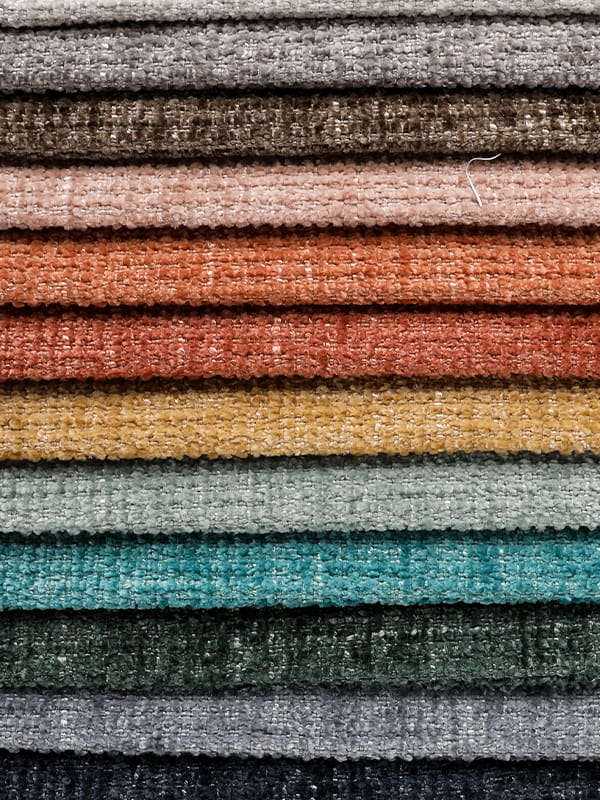
In the competitive world of furniture manufacturing, selecting the right upholstery fabric is a critical decision that balances aesthetics, longevity, and total cost of ownership. Polyester sofa chenille fabrics have emerged as a premier engineering solution, offering a sophisticated blend of texture, resilience, and practicality. This technical analysis delves beyond surface appeal to examine the material science and performance data behind these fabrics, providing furniture engineers, procurement specialists, and designers with the insights needed for informed specification.
The superior performance of polyester chenille is rooted in its synthetic polymer base and unique construction. Polyester fibers are composed of polyethylene terephthalate (PET), a polymer chain renowned for its high tensile strength, dimensional stability, and resistance to stretching. This inherent strength is the first line of defense against wear.
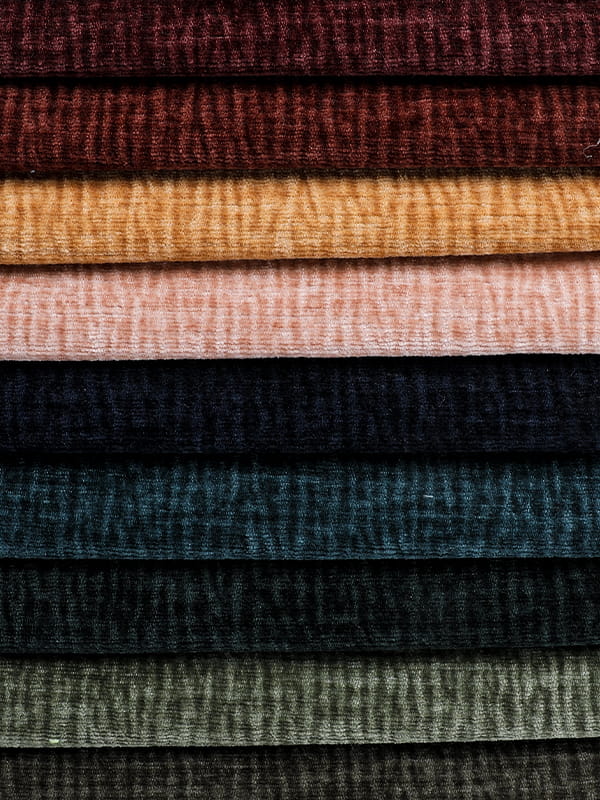
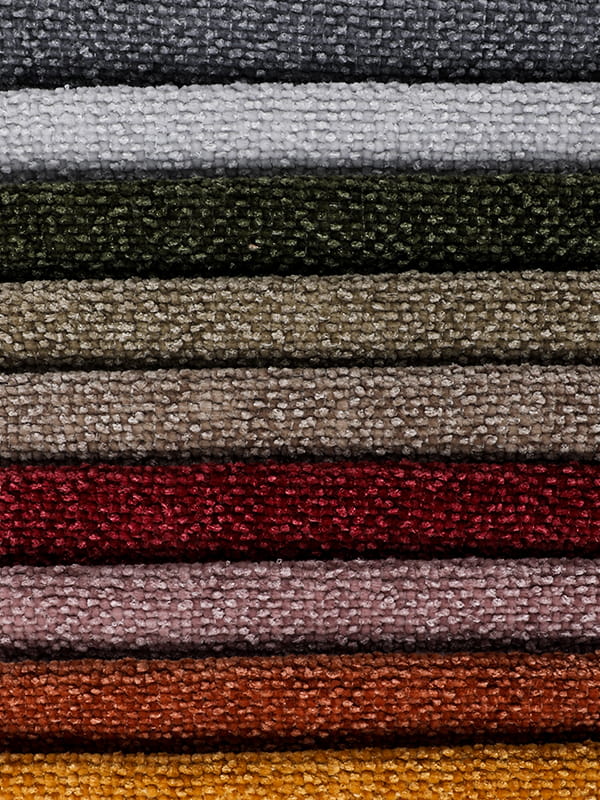
The chenille yarn structure itself is engineered for durability. Short piles of polyester are securely trapped and twisted around a strong core thread, creating the signature velvety texture. When woven into a high-density fabric, this construction creates a dense, resilient surface that is the physical basis for heavy duty chenille fabric for sofa applications, capable of distributing stress and resisting abrasion across a wider area.
The primary value proposition lies in quantifiable, test-proven resilience that extends product life in both residential and demanding commercial settings.
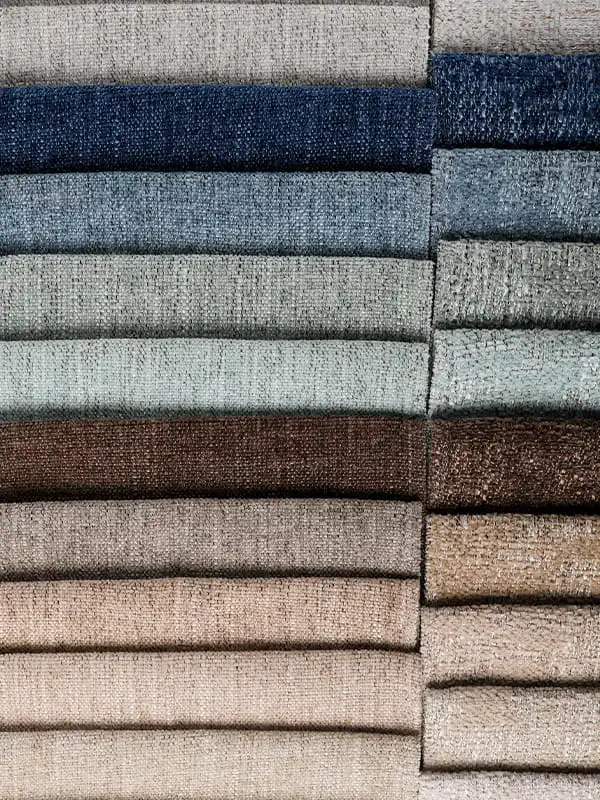
In environments where dust attraction or electrical discharge is a concern, such as offices with electronics or in dry climates, antistatic polyester sofa chenille fabric offers a specialized solution. This is achieved by integrating conductive fibers (like carbon or metal-infused threads) or applying a permanent topical treatment during manufacturing. These treatments dissipate static charge, reducing dust adherence and minimizing the risk of static shocks, thereby enhancing comfort and cleanliness without compromising other fabric properties.
Ease of maintenance is a decisive operational and commercial advantage. The low moisture absorbency of polyester fibers creates a natural barrier against spills, preventing most liquids from being absorbed immediately and allowing for easy blotting.
Following clear polyester chenille fabric cleaning instructions is straightforward and effective for long-term preservation:
This ease of care directly supports the market for chenille fabric for pet friendly sofa designs, as pet hair can be easily vacuumed, and common accidents can be cleaned without leaving permanent stains or odors, especially when paired with appropriate protective treatments.
Modern manufacturing allows for performance enhancements that tailor the fabric to niche demands.
The development of waterproof polyester sofa chenille fabric expands its application scope. This is achieved through advanced topical treatments or laminated membrane technologies that create a durable, breathable barrier. Unlike temporary spray-ons, these integrated treatments provide lasting protection against liquid penetration, making the fabric ideal for outdoor furniture, healthcare settings, or family homes, all while maintaining the tactile feel of traditional chenille.
The demand for chenille fabric for pet friendly sofa is met through a multi-faceted engineering approach:
To contextualize the performance of polyester chenille, a comparative analysis with other common upholstery materials is essential for engineers and specifiers.
| Performance Metric | Polyester Chenille | Cotton Chenille | Velvet (Polyester) | Linen Blend |
| Abrasion Resistance | Excellent (High fiber strength, dense weave) | Good (Softer fiber wears faster) | Very Good (Pile can crush or "track") | Moderate (Fibers can be brittle) |
| Stain & Moisture Resistance | Excellent (Low absorbency, treatable) | Poor (High absorbency, stains set easily) | Good (Low absorbency, but pile traps spills) | Poor (High absorbency) |
| Ease of Cleaning | Excellent (Spot clean, often steam clean safe) | Difficult (Risk of water marks, shrinkage) | Good (Requires careful brushing after cleaning) | Difficult (Prone to wrinkling, water spots) |
| Durability in High-Traffic Use | Excellent (Ideal for residential and light commercial) | Fair (Best for low-use decorative settings) | Good (Pile crush can be an issue) | Fair (Fibers can break down with abrasion) |
The industry is continuously evolving to meet higher performance and sustainability benchmarks. According to a 2024 market report by the International Textile Manufacturers Federation (ITMF), demand for high-performance synthetic upholstery is projected to grow at a CAGR of 5.8% through 2027, driven significantly by the commercial and hospitality sectors' need for durable, low-maintenance materials.
Source: International Textile Manufacturers Federation (ITMF) - 2024 Annual Report
Furthermore, recent updates to the ASTM D4151 standard for woven upholstery fabric abrasion testing have led to more rigorous testing protocols that better simulate real-world wear. This has pushed manufacturers to further innovate in fiber tenacity and weave construction. Concurrently, a key technological focus for 2024-2025 is the development of next-generation soil-release and anti-microbial treatments that are more durable through multiple cleanings and are applied via eco-friendly processes to meet evolving regulatory and consumer demands for safer chemistry.
Source: ASTM International - Standard D4151
Polyester chenille offers an excellent balance of abrasion resistance and aesthetic softness. Olefin may exhibit slightly higher inherent abrasion resistance in laboratory tests due to its hard polymer structure, but it can be prone to fuzzing and lacks the luxurious hand of chenille. Nylon is exceptionally tough and resilient, often used in extreme-duty applications, but it typically requires solution dyeing for optimal UV stability and is generally more expensive. Polyester chenille provides the best overall value proposition for most residential and commercial settings where comfort, appearance, and durability are all priorities.
High-quality, factory-applied waterproof or water-repellent treatments are designed for the lifespan of the fabric and are durable through numerous cleanings. These treatments work by creating a microscopic barrier on the fiber surface. While they significantly reduce liquid penetration, they can marginally reduce the fabric's air permeability compared to an untreated equivalent. However, advanced membrane laminates and newer "breathable" water-repellent chemistries are designed to minimize this effect, maintaining reasonable comfort.
Yes, but specification is critical. Standard polyester chenille can be treated with flame retardant (FR) backcoatings or produced using inherently FR-modified polyester fibers to meet stringent contract standards such as CAL 117 (California), BS 5852 (UK), or NFPA 260 (USA). It is imperative for procurement specialists to request and verify the relevant test certificates from the fabric mill for the specific batch, as codes vary by region and application (e.g., healthcare vs. hotel).
Quality polyester chenille is engineered for good pile recovery. The resilience of the polyester fiber and the heat-setting process during manufacturing help the pile bounce back after compression. While heavy, constant pressure (like from a pet sleeping in the same spot) may cause temporary matting, regular vacuuming and occasional steam cleaning can help reactivate and lift the pile. For very high-traffic areas, specifying a fabric with a higher Martindale rating and a tighter, lower-pile construction will maximize long-term texture retention.
The industry is rapidly advancing in sustainability. A significant innovation is the widespread availability of high-quality polyester sofa chenille fabrics made from 100% post-consumer recycled (PCR) PET, such as recycled plastic bottles. These fabrics perform identically to virgin polyester in durability and cleanability. Furthermore, initiatives like the Global Recycled Standard (GRS) provide certification for recycled content. End-of-life considerations are also being addressed through developing mono-material constructions (e.g., polyester pile on a polyester backing) to enhance recyclability in future circular economy systems.



 English
 عربى
عربى Español