Content
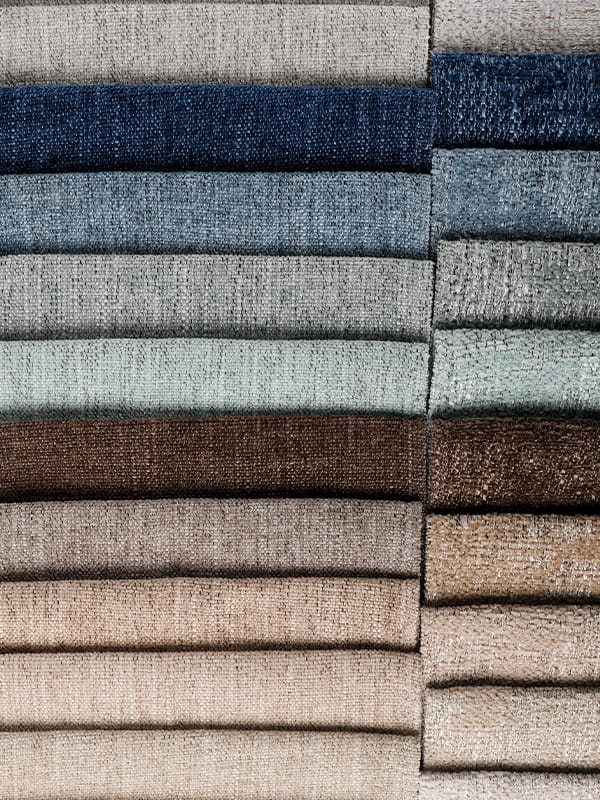
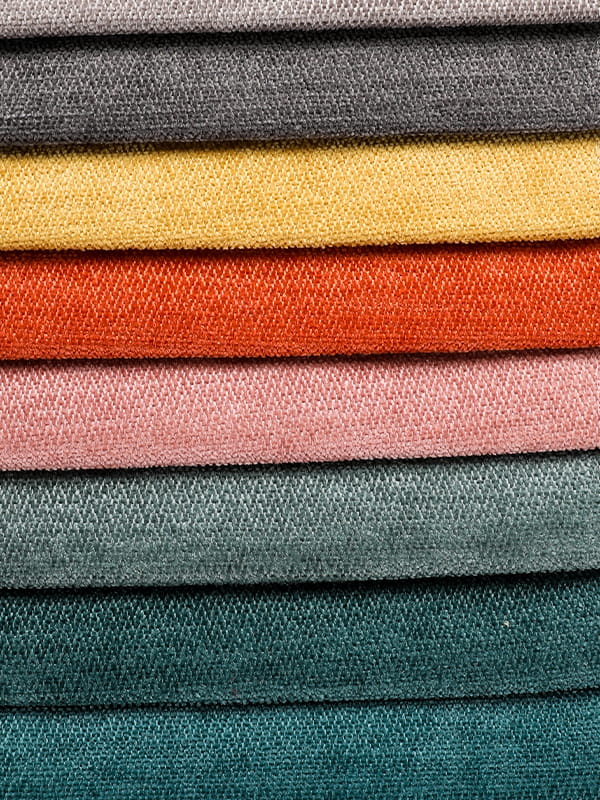
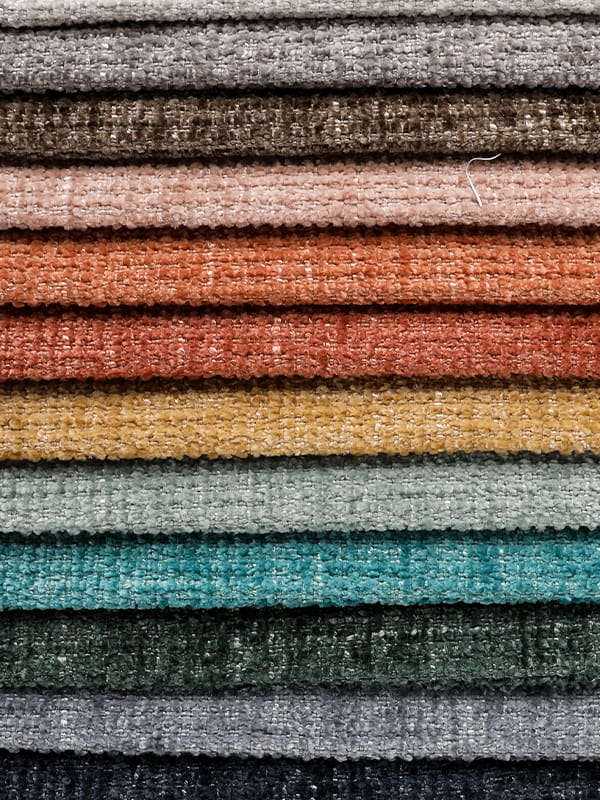
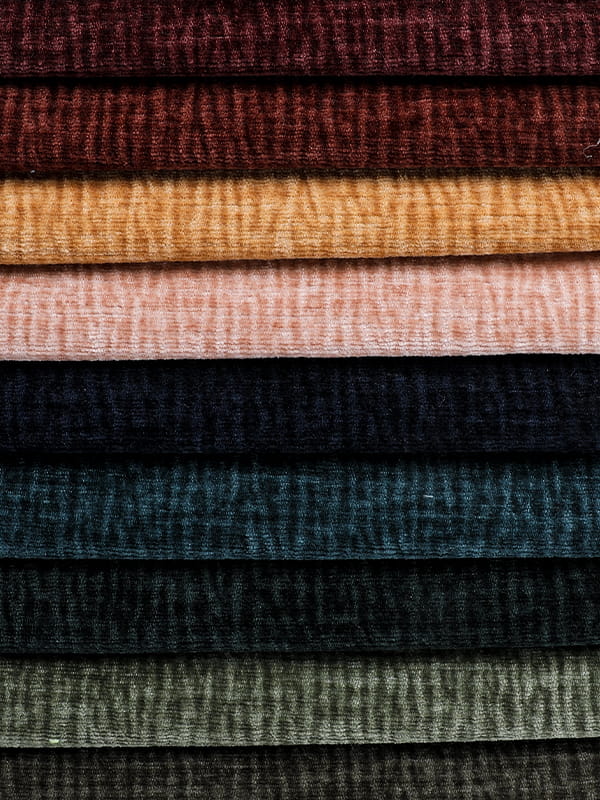
In the contemporary upholstery market, the demand for the aesthetic "linen look" often clashes with the practical requirements of daily use. While natural flax fibers offer a timeless organic appeal, they frequently fail to meet the rigorous durability standards required for modern residential and commercial environments. Polyester Linen Sofa Fabrics have emerged as the premier engineering solution, combining the visual sophistication of flax with the mechanical superiority of synthetic polymers. For B2B procurement managers and furniture manufacturers, selecting these blended textiles is a strategic move to ensure long-term product viability and customer satisfaction.
The service life of upholstered furniture is primarily dictated by its resistance to surface abrasion. When subjected to a heavy duty polyester linen sofa fabrics Martindale test, blended materials consistently outperform pure natural fibers. Natural linen fibers are relatively brittle and prone to catastrophic failure under repeated friction, whereas polyester filaments provide a resilient matrix that absorbs mechanical energy. This structural reinforcement allows blended fabrics to maintain their texture and weave density even in high-traffic seating areas.
The mechanical performance gap is significant: while 100% natural linen is suitable for decorative use, Polyester Linen Sofa Fabrics are designed for high-performance seating, offering nearly triple the abrasion resistance.
| Fiber Composition | Martindale Rub Count (Average) | Mechanical Strength | Recommended Usage |
| 100% Natural Linen | 12,000 - 15,000 | Low (Brittle) | Decorative / Low-Traffic |
| Polyester Linen Sofa Fabrics | 35,000 - 50,000+ | High (Elastic/Resilient) | Heavy Duty Residential / Commercial |
Moisture management is a critical technical factor in upholstery longevity. Unlike flax, which is highly hydrophilic and prone to deep-set staining, polyester fibers are inherently hydrophobic. This characteristic allows for the production of water repellent polyester linen sofa fabrics for upholstery, where liquids bead on the surface rather than penetrating the fiber core. This ease of maintenance is essential for B2B wholesalers catering to families and commercial hospitality sectors.
According to the latest report by the International Textile Manufacturers Federation (ITMF), technological breakthroughs in 2024 and 2025 regarding plasma-enhanced coating for synthetic blends have allowed these fabrics to achieve superior liquid tension ratings without compromising breathability. Market data suggests that performance-treated blends now account for a significant majority of the contract-grade textile market due to their reduced lifecycle cleaning costs.
Source: ITMF - International Textile Industry Statistics 2024 Report
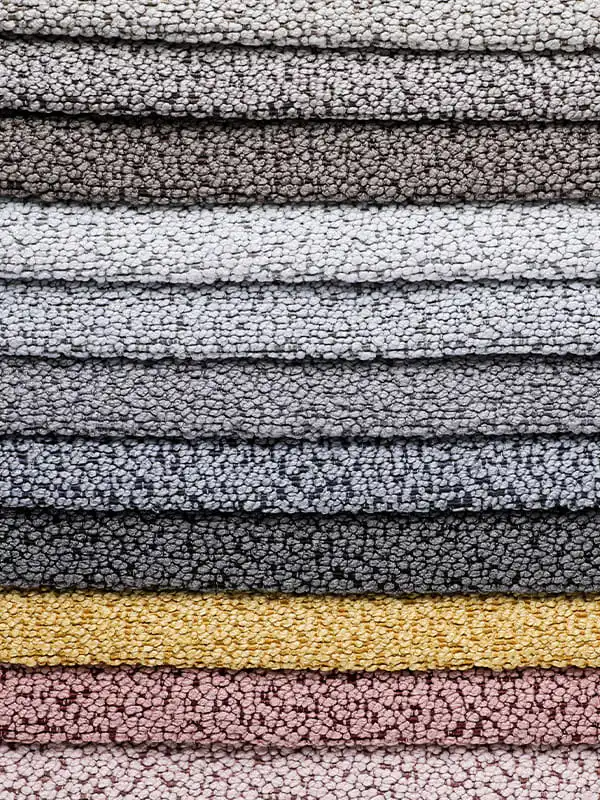
Pilling—the formation of small fiber clusters on the surface—is a common failure point for short-staple natural fibers. Adhering to polyester linen sofa fabrics pilling resistance standards ensures that the fabric maintains a smooth, premium hand-feel over years of use. High-quality LSY (Low Stretch Yarn) polyester prevents the fiber migration that leads to pilling, a common complaint with 100% linen products.
Through heat-setting and advanced finishing processes, Polyester Linen Sofa Fabrics achieve a pilling grade of 4 or higher on the ISO 12945-2 scale. While natural linen fibers tend to fray and "fuzz" due to friction-induced fatigue, the synthetic component in the blend acts as an anchor, maintaining weave clarity.
| Testing Standard | 100% Natural Linen Grade | Polyester Linen Sofa Fabrics Grade |
| ISO 12945-2 (Pilling) | Grade 2-3 (Significant Fuzzing) | Grade 4-5 (Minimal to No Pilling) |
| Color Fastness to Light | Moderate | High (UV Stabilized) |
In the hospitality industry, safety compliance is as important as aesthetics. Manufacturers now produce fire retardant polyester linen sofa fabrics for hotels that meet stringent international codes such as BS 5852 or NFPA 260. Pure linen often requires heavy chemical back-coating to meet these standards, which can ruin the fabric's drape. Blended fabrics, however, can be engineered with flame-retardant yarns at the molecular level, ensuring permanent protection and a soft handle.
Supply chain stability is a major concern for B2B buyers. While the wholesale polyester linen sofa fabrics price per meter remains relatively stable due to the controlled production of synthetic polymers, 100% natural linen prices are highly volatile, often influenced by crop yields and climate fluctuations. Blended fabrics provide a cost-effective alternative that does not sacrifice the luxury "slub" texture consumers desire.
| Economic Factor | 100% Natural Linen | Polyester Linen Sofa Fabrics |
| Supply Stability | Variable (Climate Dependent) | High (Industrial Production) |
| Relative Cost | Premium / High | Competitive / Value-Oriented |
| Maintenance Cost | High (Professional Cleaning) | Low (Spot Cleanable) |
Our company is a dedicated manufacturer of high-performance upholstery solutions, specializing in Polyester Linen Sofa Fabrics that bridge the gap between organic beauty and industrial durability. We utilize state-of-the-art weaving technology to ensure our fabrics meet global standards for pilling resistance, color fastness, and flame retardancy. By maintaining a robust supply chain, we offer B2B partners consistent quality and competitive wholesale pricing for the most demanding interior projects.
We perform the heavy duty polyester linen sofa fabrics Martindale test on every batch. Our fabrics typically exceed 40,000 rubs, making them suitable for commercial use where 100% linen would fail.
Yes, we specialize in water repellent polyester linen sofa fabrics for upholstery. We apply an invisible nanoscopic barrier that prevents liquid absorption while maintaining the fabric's natural breathability.
Absolutely. We produce fire retardant polyester linen sofa fabrics for hotels that comply with CAL TB 117 and other international safety standards, ensuring both luxury and safety.
No. By strictly following polyester linen sofa fabrics pilling resistance standards during production, we ensure our blends maintain a Grade 4/5 rating, significantly outperforming pure linen under friction.
Yes. The wholesale polyester linen sofa fabrics price per meter is generally more accessible than pure flax, and its superior durability reduces the frequency of reupholstery, offering a better long-term ROI for furniture brands.



 English
 عربى
عربى Español