Content
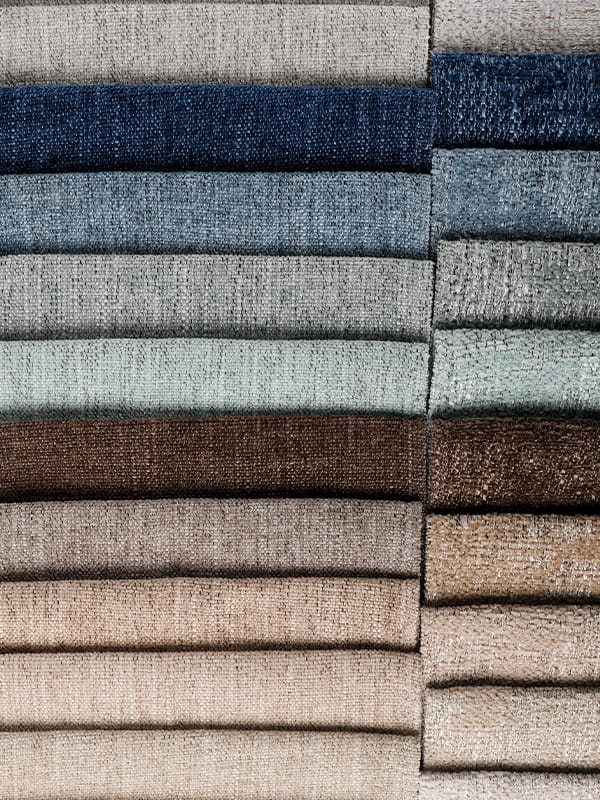
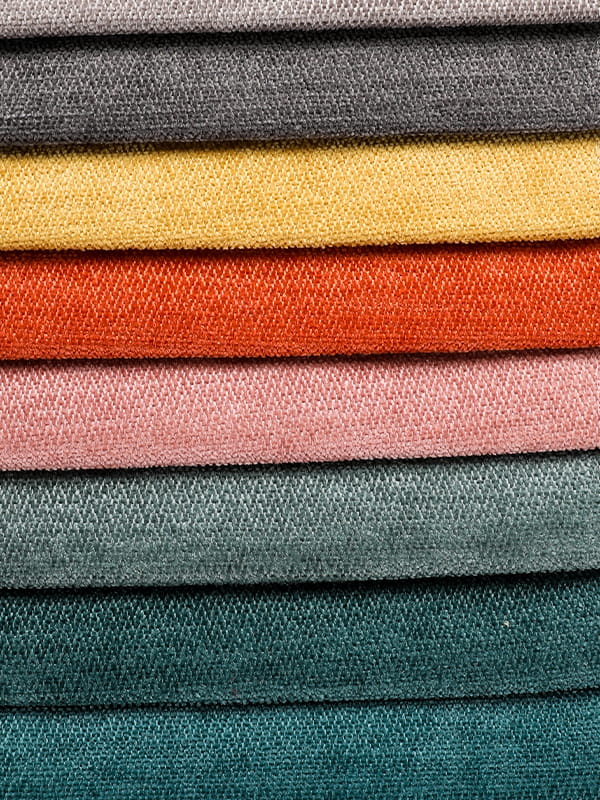
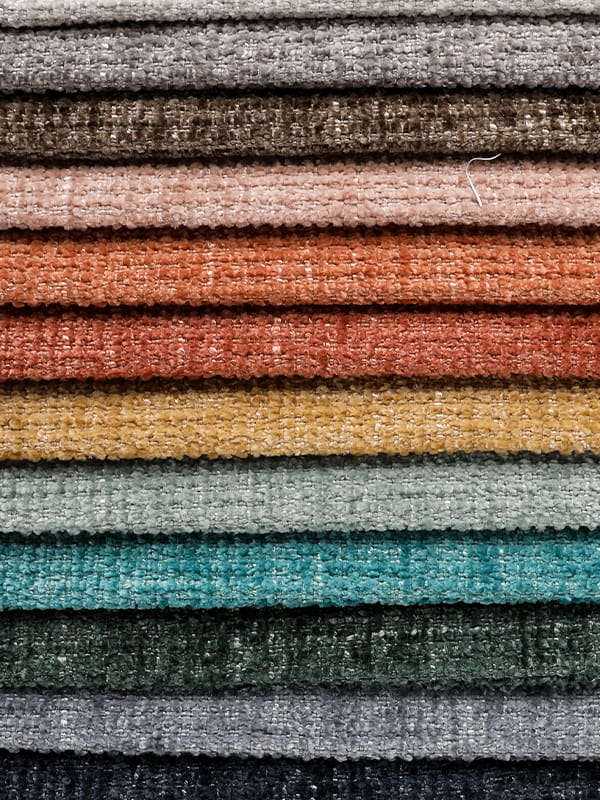
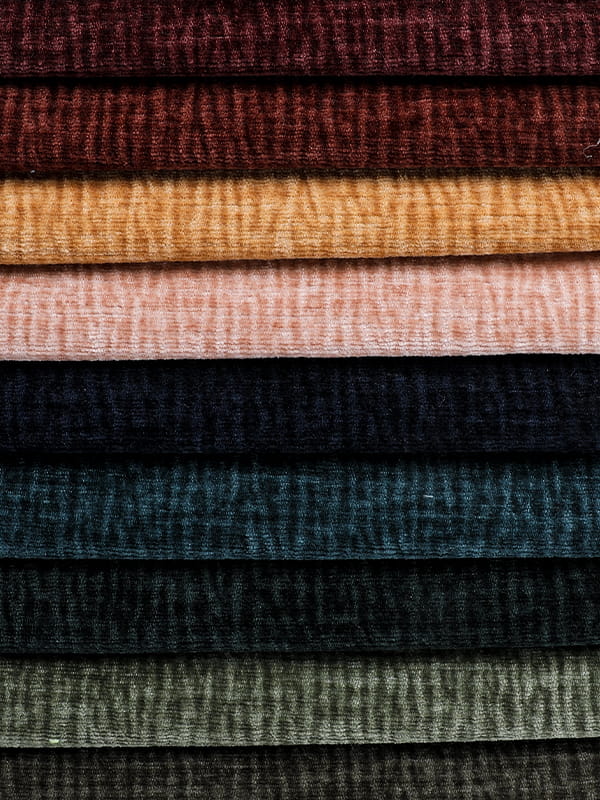
Chenille is not defined by a single raw material but by its distinctive construction method. It can be made from cotton, polyester, rayon, wool, acrylic, or blends of these fibers. The word "chenille" comes from the French word for caterpillar, which describes the fuzzy, tufted appearance of the yarn. What makes chenille unique is how it is manufactured: short lengths of fiber are twisted or woven around a core yarn, creating the soft, pile-like texture that the fabric is known for. The choice of base fiber determines how the finished fabric performs in terms of softness, durability, moisture absorption, and care requirements.
The construction process is what gives chenille its signature look and feel, regardless of the underlying fiber. Understanding this process helps explain why chenille behaves differently from other woven or knitted fabrics.
Chenille yarn is built around a central core, typically made from two twisted threads. Short fiber tufts, called the pile, are locked between these core threads at regular intervals. The pile fibers stand perpendicular to the core, creating the raised, velvety surface. Pile lengths typically range from 2 mm to 6 mm, depending on the intended end use. Shorter piles produce a denser, more structured fabric, while longer piles create a softer, more luxurious drape.
Once the yarn is produced, it can be woven or knitted into fabric. Woven chenille tends to be denser and more durable, making it suitable for upholstery and home furnishings. Knitted chenille is stretchier and softer, which is why it is commonly used in sweaters, scarves, and blankets. The weave structure also affects how much the fabric sheds, a known characteristic of chenille due to the pile being mechanically held rather than interlocked.
Each fiber type used in chenille production brings different functional and aesthetic qualities. The table below summarizes the most widely used fibers and their key characteristics.
| Fiber | Softness | Durability | Moisture Absorption | Common Uses |
|---|---|---|---|---|
| Cotton | High | Moderate | High | Towels, blankets, apparel |
| Polyester | Moderate | High | Low | Upholstery, rugs, home decor |
| Rayon | Very High | Low | Moderate | Scarves, decorative items |
| Wool | High | Moderate to High | High | Winter apparel, throws |
| Acrylic | Moderate | High | Low | Budget apparel, craft yarn |
Cotton has historically been the most common fiber in chenille production, particularly in the United States where cotton chenille bedspreads were widely produced throughout the early and mid-20th century. Cotton chenille absorbs moisture roughly 25 times better than polyester, making it a practical choice for bath products and items that contact skin. It is also naturally breathable and tends to soften further with repeated washing.
The main trade-off with cotton chenille is that it is more prone to shrinkage when washed in hot water and can lose its shape over time with heavy use. It is also heavier than synthetic alternatives, which affects the drape of finished garments or home textiles.
Polyester chenille is widely used in upholstery, area rugs, and home furnishings because of its resistance to wear and fading. Polyester fibers can retain their color and shape significantly longer than natural fibers under comparable conditions of use. It is also resistant to mold and mildew, which makes it a suitable choice for humid environments.
However, polyester does not breathe as well as cotton or wool, and it generates static electricity more readily. For upholstery applications, polyester chenille typically has a rub count of 15,000 to 30,000 Martindale cycles, indicating reasonable durability for everyday residential use.
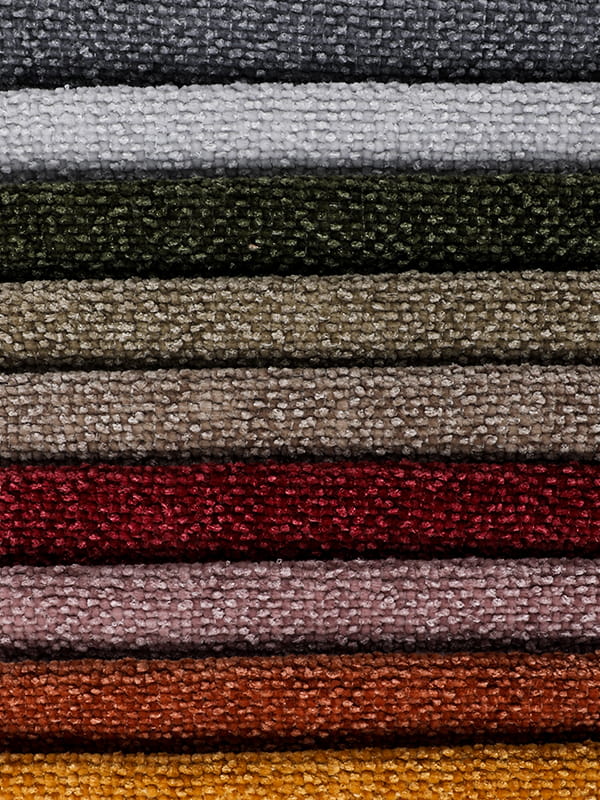
Rayon chenille is valued for its exceptional softness and its ability to drape smoothly. It produces a sheen similar to silk, which makes it appealing for decorative scarves, evening wear, and accent textiles. However, rayon is one of the least durable fibers in chenille form, as it weakens significantly when wet and is prone to pilling and distortion with regular use.
Silk chenille, though less common due to its cost, offers a similar sheen with better strength. It is primarily found in high-end fashion and artisanal textile applications. Both rayon and silk chenille typically require dry cleaning or hand washing to prevent fiber damage.
Wool chenille is used primarily in cold-weather apparel and throws. Wool fibers naturally regulate body temperature and wick moisture away from the skin, making wool chenille a functional choice for winter garments. It tends to be heavier than synthetic alternatives, and it requires more careful laundering to prevent felting.
Acrylic chenille is a synthetic alternative to wool that is machine washable and more affordable. It is commonly used in craft yarns for knitting and crochet projects. While it lacks the natural warmth regulation of wool, acrylic chenille is colourfast, lightweight, and resistant to moths, making it a low-maintenance option for everyday projects.
Many chenille fabrics on the market today are made from blended fibers rather than a single material. Common combinations include cotton-polyester blends, which combine the softness and breathability of cotton with the durability and colorfastness of polyester. A blend of 60% cotton and 40% polyester, for example, is often found in chenille bath towels and bedroom textiles where both absorbency and longevity are priorities.
Wool-acrylic blends are also common in winter apparel chenille, reducing cost while retaining warmth. When evaluating a blended chenille product, the fiber composition label will list the percentages, which directly indicate how the fabric will perform and how it should be cared for.
Because chenille can be made from so many different fibers, identifying the actual content of a piece of chenille fabric requires checking specific details.
The best chenille material depends on the intended application. Below is a practical guide to matching fiber type to use case.
Understanding the fiber content of chenille before purchasing or working with it ensures the material will meet performance expectations and simplifies long-term care.



 English
 عربى
عربى Español