Content
Yes, chenille is generally an excellent fabric choice for a couch—provided the correct specifications are prioritized. The material offers a unique, velvety softness and visual depth that few other upholstery textiles can match. However, its performance is not universal. The primary deciding factor is the Martindale abrasion rating. For a couch subjected to daily family use, chenille must possess a rating of 30,000 rubs to resist surface wear and pile flattening. Lower-grade chenille, particularly loosely woven variants, is highly susceptible to pile distortion and snagging from pet claws. Therefore, the conclusion is conditional: high-performance chenille from established textile developers is a superb, long-lasting sofa covering; commodity-grade chenille is a short-term furnishing risk.
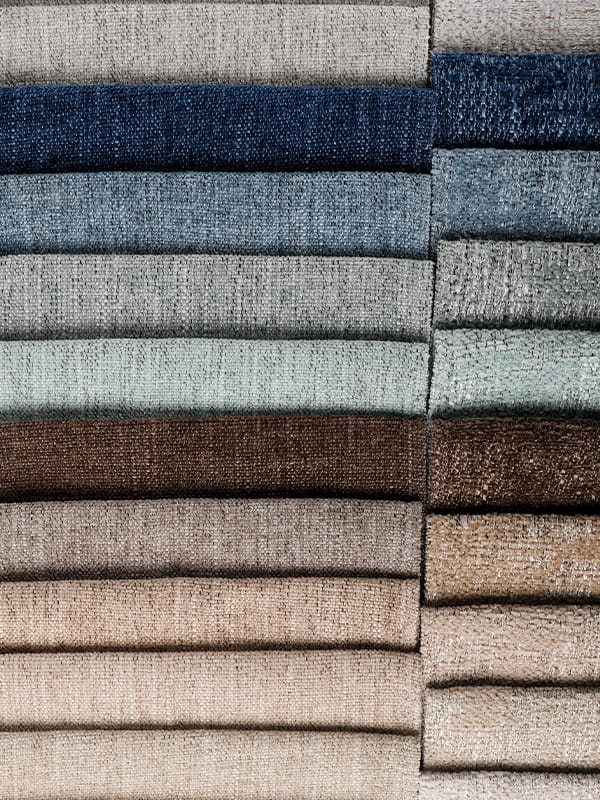
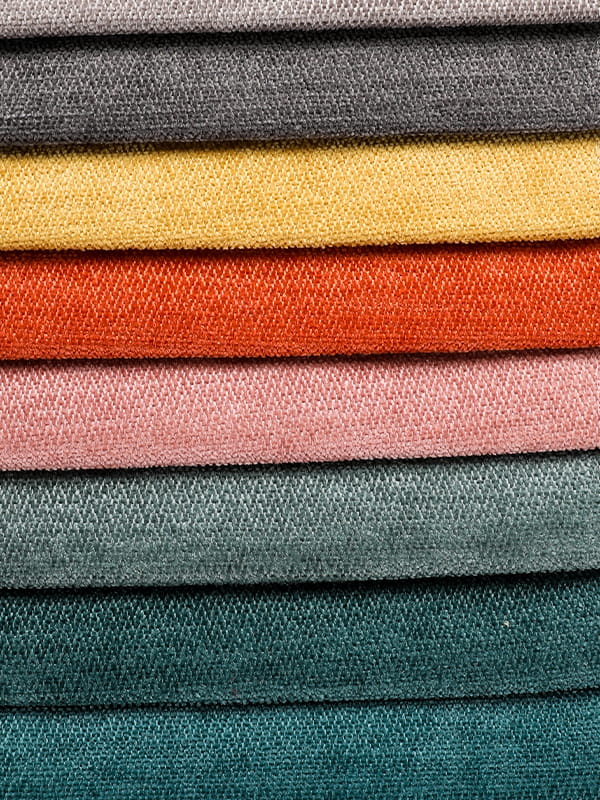
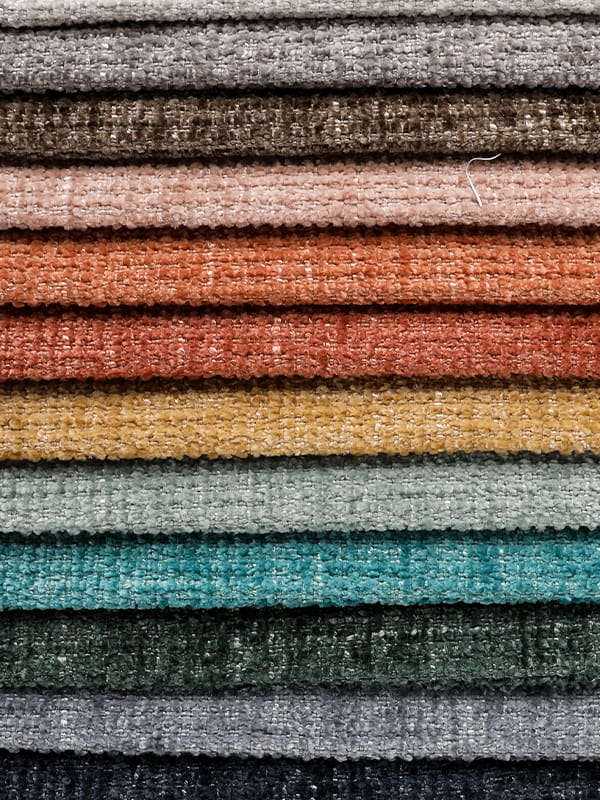
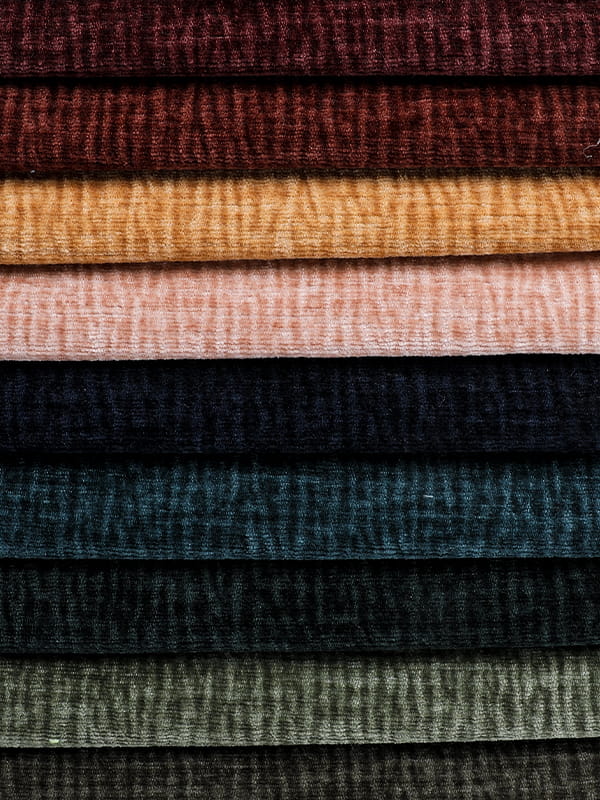
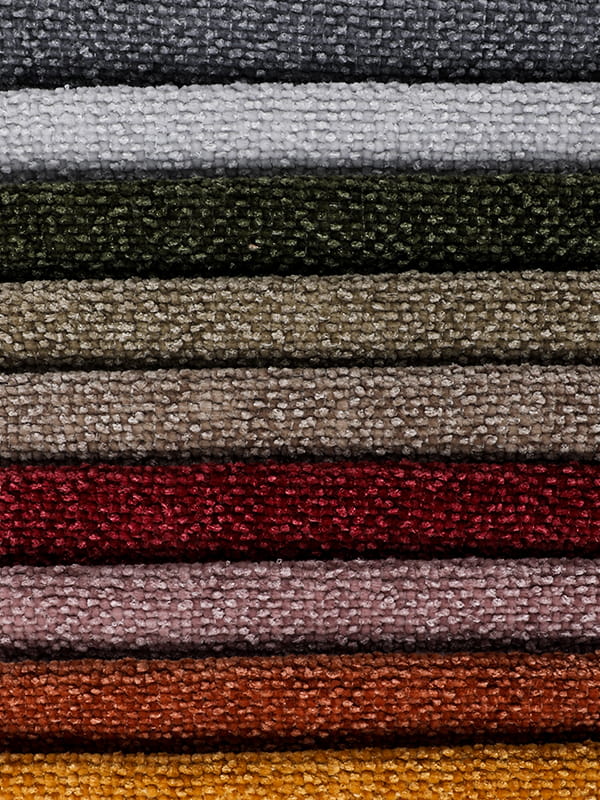
Chenille is derived from the French word for "caterpillar," accurately describing its fuzzy, tufted surface. The fabric is created by placing short lengths of yarn, known as "pile," between two core yarns and then twisting them together. This unique construction yields a soft, directional nap that catches light differently depending on viewing angle—an aesthetic advantage but a structural vulnerability. Inconsistent pile anchorage leads to a condition known as "balding" or "worming," where the tufts loosen and leave bare patches on the couch surface. Modern manufacturing techniques address this by utilizing high-twist core yarns and thermal bonding to lock the pile in place. For consumers, this means the quality of the raw yarn and the tightness of the weave are non-negotiable metrics for assessing longevity.
When evaluating chenille for a sofa application, reliance on subjective "hand feel" alone is insufficient. Quantitative performance data provides an objective benchmark for expected lifespan. The following table outlines critical test parameters that differentiate durable chenille from fast-wearing alternatives.
| Performance Metric | Standard/Test Method | Minimum Recommended Value for Chenille Sofa | Impact on Daily Use |
|---|---|---|---|
| Martindale Abrasion | ISO 12947-2 | > 30,000 cycles | Prevents surface wear and nap loss in high-traffic seating. |
| Seam Slippage | ASTM D4034 | < 3 mm at 18 kg load | Ensures seams remain tight under stress of sitting and shifting. |
| Pilling Resistance | ISO 12945-2 | Grade 4-5 | Reduces formation of unsightly fuzz balls on armrests. |
| Colorfastness to Light | ISO 105-B02 | > Blue Wool Scale 5 | Prevents fading if sofa is placed near windows. |
Beyond durability metrics, chenille offers distinct functional advantages that explain its enduring popularity in residential and contract furniture markets.
Unlike leather which feels cold in winter and sticky in summer, or tight-weave synthetics that feel abrasive, chenille maintains a thermally neutral and soft hand. The air trapped within the pile structure acts as a natural insulator, making the seating surface feel warm upon contact. This characteristic is particularly valued in living spaces designed for relaxation.
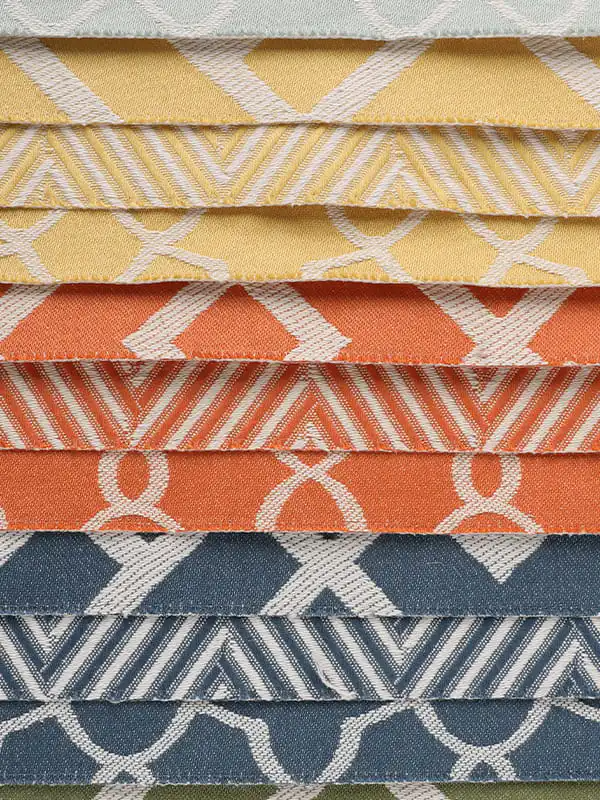
Due to the way light plays across the cut pile, chenille fabrics—especially those manufactured with advanced jacquard looms—exhibit remarkable visual richness. High-precision chenille can replicate the look of intricate textiles while maintaining a uniform, forgiving surface that conceals minor creasing. Manufacturers specializing in warp-knitted velvet and tech fabric development frequently leverage chenille blends to achieve specific design aesthetics without compromising on structural integrity.
The two frequently cited drawbacks of chenille are its vulnerability to snagging from sharp objects (pet claws or zippers) and watermarking or pile distortion during cleaning. These issues are not inherent flaws of all chenille but rather symptoms of specific manufacturing choices.
For furniture factories and wholesale retailers seeking consistent turnover and reliable supply chains, sourcing chenille requires a partner with deep technical knowledge. Companies like Haining Weite Sino Technology Co., Ltd. bring over a decade of specialized expertise in sofa fabrics to the equation. Their portfolio extends beyond basic chenille to include warp-knitted velvet, polyester linen, and high-precision performance jacquards. This diversity allows furniture manufacturers to navigate the market's demand for reduced order quantities without sacrificing the continuity of supply. By independently developing new products to complement existing stock, these textile enterprises ensure that even clients with modest volume requirements can access high-abrasion chenille suitable for modern, high-usage family couches. The ability to provide custom OEM/ODM solutions ensures that the fabric not only looks appealing on the showroom floor but performs reliably under the stresses of everyday home life.



 English
 عربى
عربى Español