Content
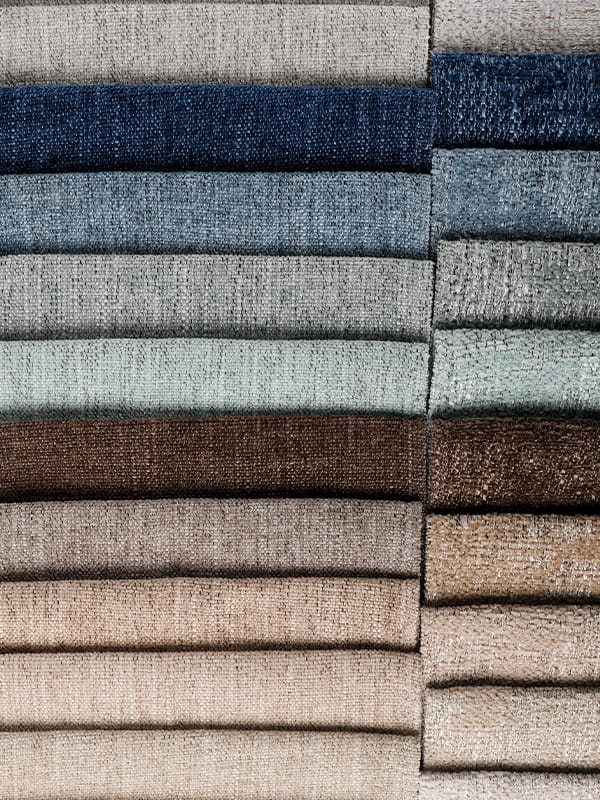
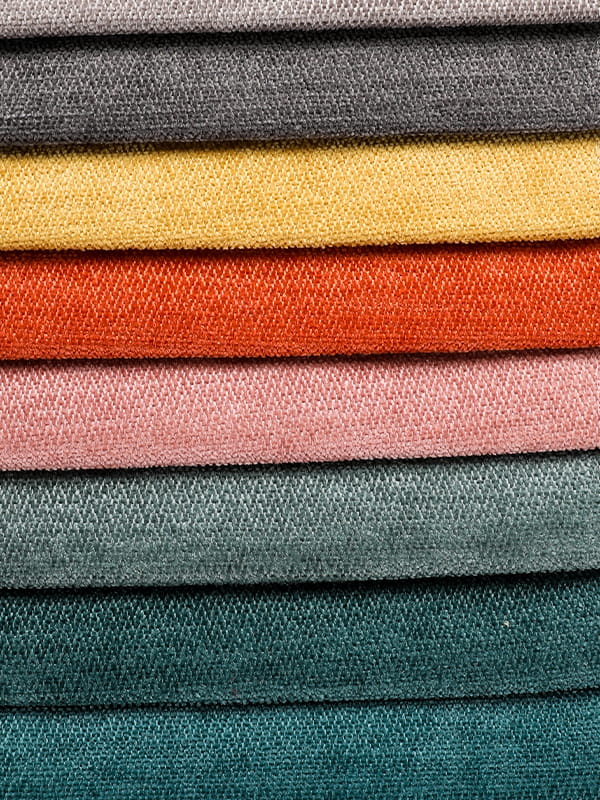
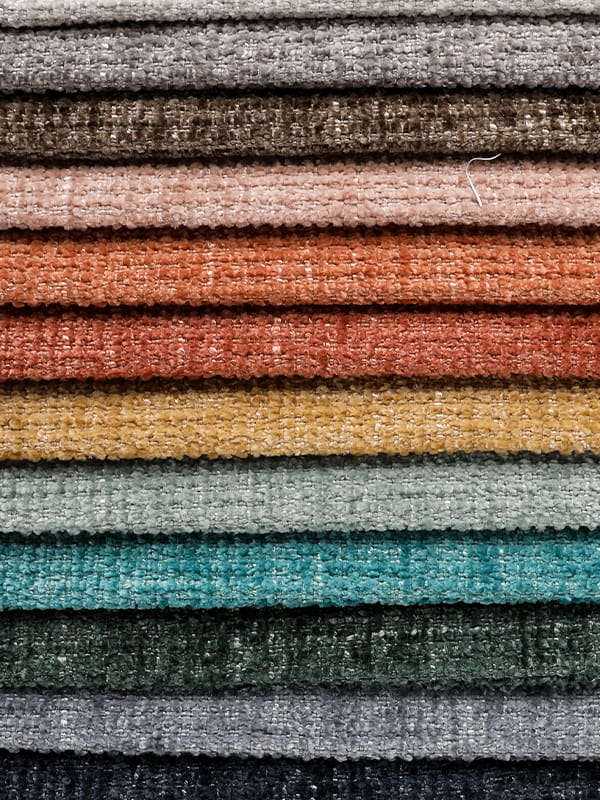
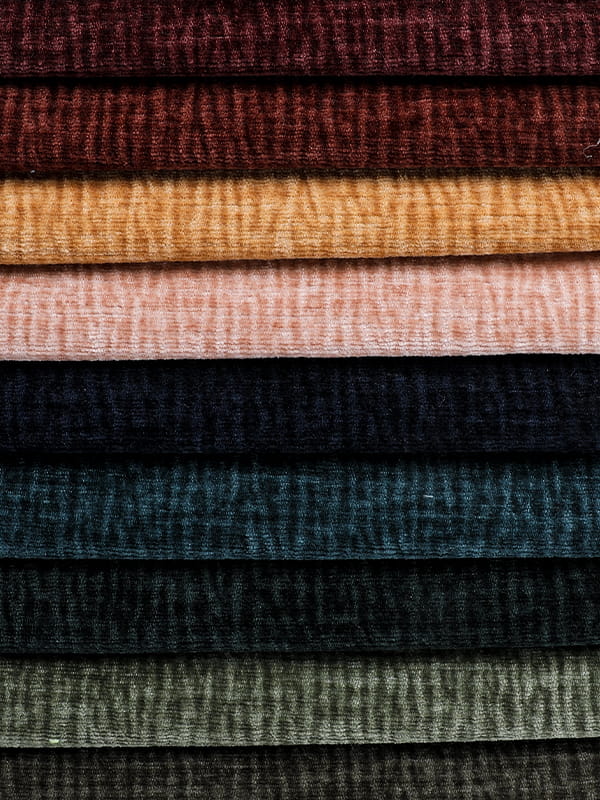
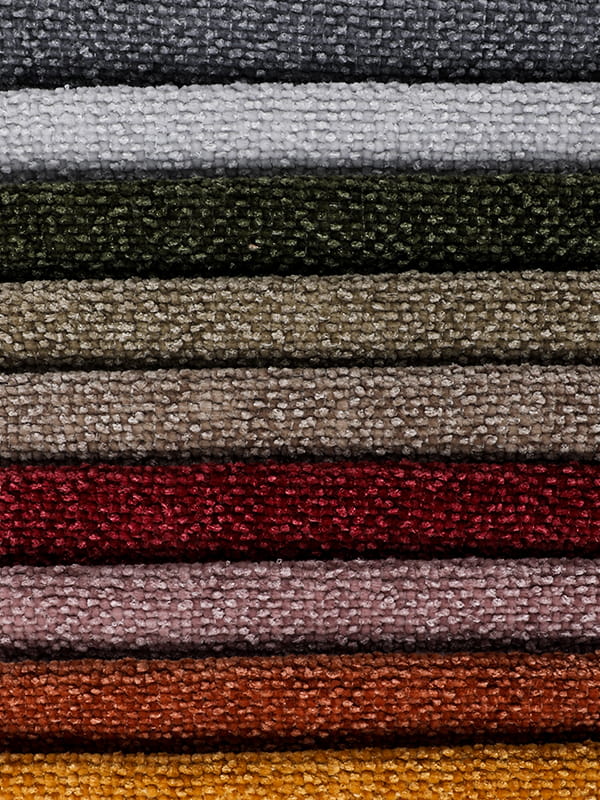
Chenille fabric possesses a unique construction that sets it apart in the world of textiles, characterized by its short lengths of yarn plied together, creating a distinctive soft and fuzzy pile. This construction method results in a material that feels exceptionally plush and inviting to the touch, often described as a velvety or caterpillar-like texture, which is precisely what the word "chenille" means in French. The yarns are woven into a strong base cloth, allowing the soft pile to stand out, creating a surface that is not only visually warm and rich but also remarkably comfortable for daily use. This combination of a sturdy base and a soft, dense pile is the fundamental reason why it has become a popular choice for upholstery, promising both aesthetic appeal and tangible comfort for furniture that is used frequently.
When evaluating how well chenille fabric wears over time, it is important to consider its dual nature. On one hand, the core yarns and the tight weaving technique can produce a surprisingly durable material that resists pilling and can withstand the rigors of everyday life, making it a viable option for families. The dense pile is resilient and tends to bounce back well from compression, helping the sofa maintain its shape and comfort for years. However, the performance is highly dependent on the quality of the chenille. Lower-grade chenille may be susceptible to fraying or the pile may snag if subjected to sharp objects or pet claws. Overall, a high-quality chenille sofa strikes an excellent balance, offering long-lasting durability without sacrificing the soft, luxurious feel that makes it so desirable.
A thorough look at the pros and cons of chenille sofa fabric reveals a compelling profile with a few considerations. Its primary advantages include an unparalleled softness that is immediately noticeable, a visual depth that adds a layer of sophistication to any room, and a generally sturdy nature when constructed well. The fabric is also available in a vast array of colors and patterns, providing significant design flexibility. On the downside, some types of chenille can be prone to shading, a effect where the pile reflects light differently when brushed in various directions, creating visible marks. It can also attract lint and pet hair more than some smoother fabrics, and its susceptibility to staining if not treated promptly is a factor that requires homeowner diligence.
The key to effectively cleaning a chenille sofa fabric lies in immediate action and using the correct techniques. For liquid spills, the first step is always to blot, never rub, using a clean, absorbent white cloth to draw out as much moisture as possible. Rubbing can grind the substance deeper into the fibers or damage the pile. For most common stains, a mild solution of warm water and a small amount of dish soap can be effective; a soft-bristled brush can be used to gently agitate the area before blotting it dry. For more stubborn stains, a specialized upholstery cleaner is often recommended, but it is crucial to test any cleaning solution on an inconspicuous area first to ensure it does not cause discoloration or damage to the fabric.
Beyond reactive cleaning, consistent care is essential for preserving the beauty and integrity of your chenille sofa. Regular vacuuming using an upholstery brush attachment is highly effective at removing dust, crumbs, and embedded pet hair before they can become ground into the fabric. To minimize shading and wear patterns, it is advisable to rotate and flip cushions regularly if they are reversible, ensuring that no single area receives disproportionate pressure and sunlight exposure. Direct and prolonged sunlight should be avoided as it can lead to fading over time. Applying a fabric protector specifically designed for chenille upon purchase can provide a valuable barrier against spills and stains, making future cleaning efforts significantly easier and more successful.
The debate between chenille and microfiber for sofa durability often centers on lifestyle and maintenance preferences. Microfiber, a synthetic material, is renowned for its exceptional stain resistance and rugged durability, often making it a top choice for households with young children or pets. It is typically easier to clean with a simple damp cloth and generally shows less wear from abrasion. Chenille, while also durable, offers a distinctly softer and more textured feel that microfiber cannot replicate. The choice ultimately depends on whether the priority is maximum stain resistance and ease of cleaning, which microfiber provides, or a plusher, more premium comfort and aesthetic, which is the domain of high-quality chenille.
When comparing the texture and aesthetic of chenille to other fabrics like leather, linen, or standard cotton blends, its unique position becomes clear. Unlike the smooth, cool surface of leather, chenille provides a warm and cozy feel. It lacks the sometimes rough or crisp texture of linen, offering instead a consistent and inviting softness. Compared to flat-weave cotton, chenille has a visual and tactile depth that makes a sofa look and feel more luxurious and inviting. This rich texture allows it to hide minor wrinkles and creases better than many flat fabrics, contributing to a generally neat appearance even after prolonged use, solidifying its role as a fabric that masterfully blends comfort with practical elegance.



 English
 عربى
عربى Español