Content
The journey of chenille fabric is a fascinating narrative, one that begins with a poetic reference to nature. The very name, chenille, is derived from the French word for "caterpillar," an apt description for the unique, fuzzy surface of the yarn that gives the finished textile its signature plushness. Originating in 18th-century Europe, the initial production of this distinctive thread involved a rudimentary, meticulous process. Early weavers would create a leno-weave fabric, which was then precisely cut into strips. These strips, with their intentionally frayed edges, would become the soft, caterpillar-like yarn, initially prized for elaborate, decorative arts and luxurious women's apparel. The labour-intensive nature of this original method meant that, for centuries, chenille remained an exclusive textile, available only to the affluent. The industrial revolution, however, brought about transformative advancements in textile manufacturing. The development of specialized water-powered looms and later, more complex tufting and cutting machines, democratized its availability, allowing for mass production while still preserving the tactile, soft quality that defines the fabric. This shift from artisanal rarity to accessible luxury highlights a persistent appreciation for the textile's singular visual and sensory appeal.
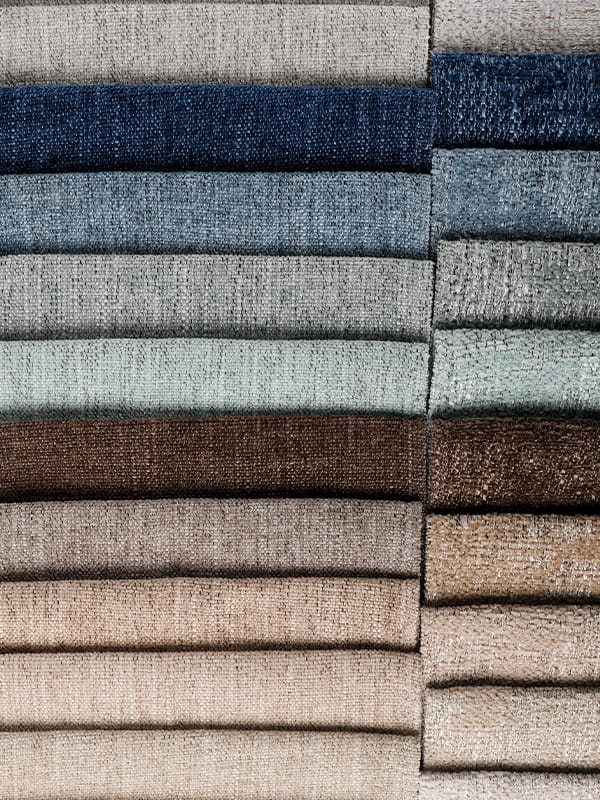
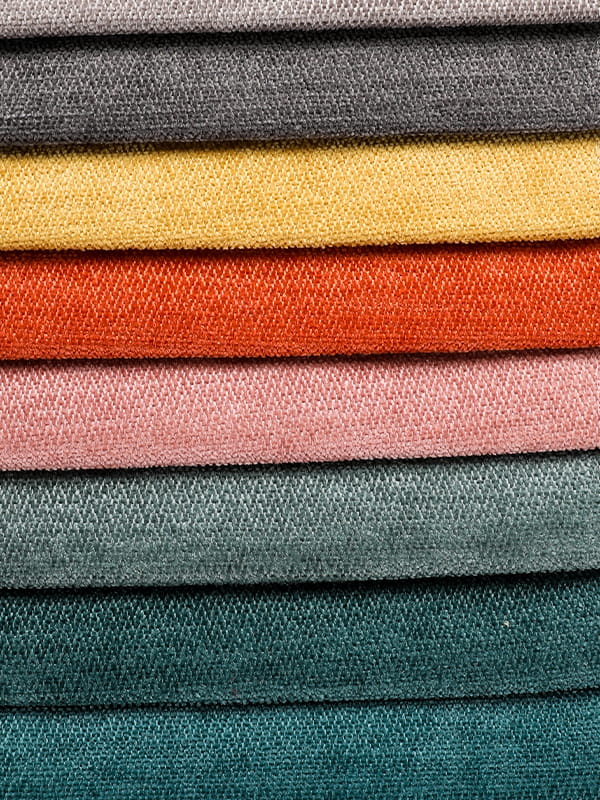
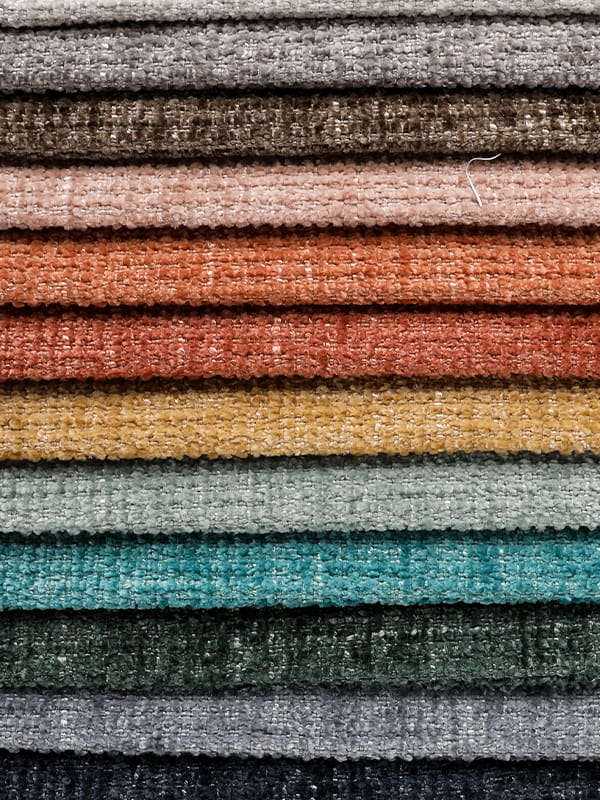
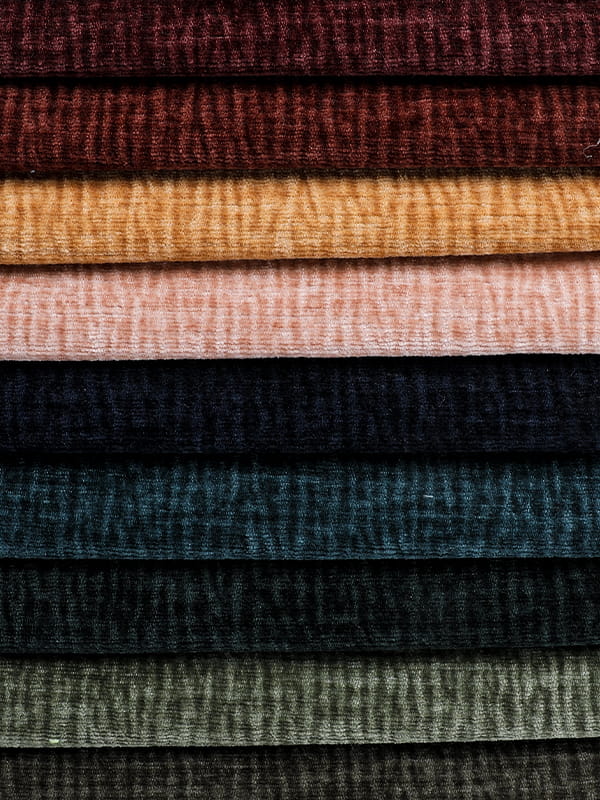
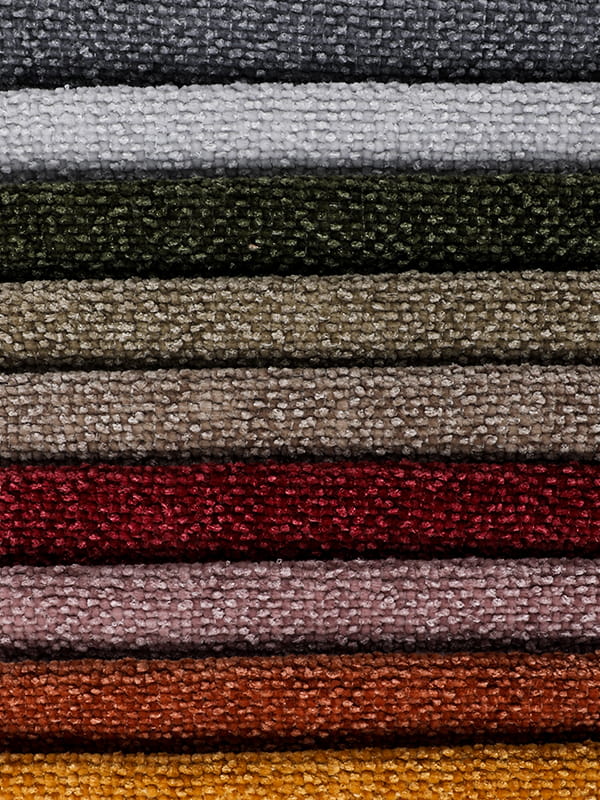
The fundamental difference between chenille and other textiles lies in its revolutionary yarn construction. At its core, the yarn consists of two tightly twisted central core yarns that firmly hold short lengths of pile fiber, or "fuzz," standing out at right angles. When woven, this structure creates a soft, deep pile and a captivating dimensional surface. This distinctive construction is responsible for one of chenille's most cherished attributes: a subtle, shimmering iridescence. As light plays across the surface, the individually positioned pile fibers reflect and absorb it from various angles, creating a beautiful change in hue and depth that shifts with the viewing perspective. Furthermore, the selection of component fibers—the materials for the core and the pile—significantly dictates the fabric's ultimate performance. Modern textile science allows for sophisticated polyester blend formulations, combining the plush aesthetic of chenille with enhanced practical characteristics. These blends often introduce superior resilience, resistance to abrasion, and improved colourfastness, ensuring that the luxurious feel is matched by robust durability, making them highly suitable for demanding applications like daily-use upholstery.
A common misconception is that such a plush, textured fabric is inherently fragile and difficult to maintain. However, with the correct routine, durable chenille upholstery fabric care tips can ensure its beauty lasts for decades. The key to preserving its rich texture and depth is regular, gentle cleaning. Light vacuuming with an appropriate upholstery attachment, applied consistently, is crucial for removing surface dust and preventing dirt particles from settling deep into the pile, which can cause premature wear and a dull appearance. For spills or focused stains, immediate, gentle action is paramount. Blotting, rather than rubbing, is the golden rule, using a clean white cloth and a mild, ph-neutral cleaning solution. Aggressive scrubbing must be avoided at all costs, as it can disrupt the carefully woven structure, causing the pile to flatten or, in some cases, shift, leading to permanent bald spots. It is also important to consider the environmental factors surrounding the textile. While chenille is naturally robust, prolonged, direct exposure to harsh sunlight should be mitigated, as UV rays can gradually break down the fibers, especially in natural blends, leading to fading and a loss of structural integrity over time.
While chenille woven fabrics are perhaps most famously associated with plush sofas and opulent drapery, its versatility extends far beyond conventional home furnishings. The current societal movement toward sustainable and responsible sourcing has opened new avenues, particularly with the emergence of high-quality eco-friendly cotton chenille blanket material. This specialized segment utilizes certified organic or recycled cotton for both the core and pile, offering the same beloved soft texture and warmth while minimizing environmental impact. Such materials are increasingly sought after for items like throws, baby blankets, and casual apparel, where skin contact and breathability are essential factors. Furthermore, creative textile designers are leveraging the fabric's inherent soft drape and visual complexity in fields beyond traditional furniture. Chenille woven textiles are finding innovative applications beyond furniture, appearing as structured but flowing outerwear, textural accessories like scarves and bags, and sophisticated, sound-dampening wall coverings in high-end interiors. This expansion into new categories is a testament to the fabric's enduring adaptability, proving it can combine luxury with practicality across a vast spectrum of creative and functional uses.
Selecting the perfect chenille textile necessitates a balanced consideration of aesthetic preference and practical requirement. For heavy-duty use, such as a family room sofa or a piece of commercial furniture, a dense weave incorporating synthetic or highly durable blends, like the aforementioned polyester blend chenille, is typically advisable due to its tested resilience against pilling and abrasion. Conversely, for items like decorative pillows or throws where the primary function is visual appeal and supreme softness, a chenille made from natural fibers like cotton or rayon might be preferred, offering a warmer, softer hand-feel, albeit with a slightly higher requirement for delicate handling. Ultimately, the long-term value of chenille woven fabrics lies not just in their initial luxurious appearance but in their enduring performance, provided they are appropriately selected and cared for. This combination of historic elegance, unique structure, and modern material science secures the chenille woven fabric a permanent and respected position in the world of high-quality textiles.



 English
 عربى
عربى Español