Content
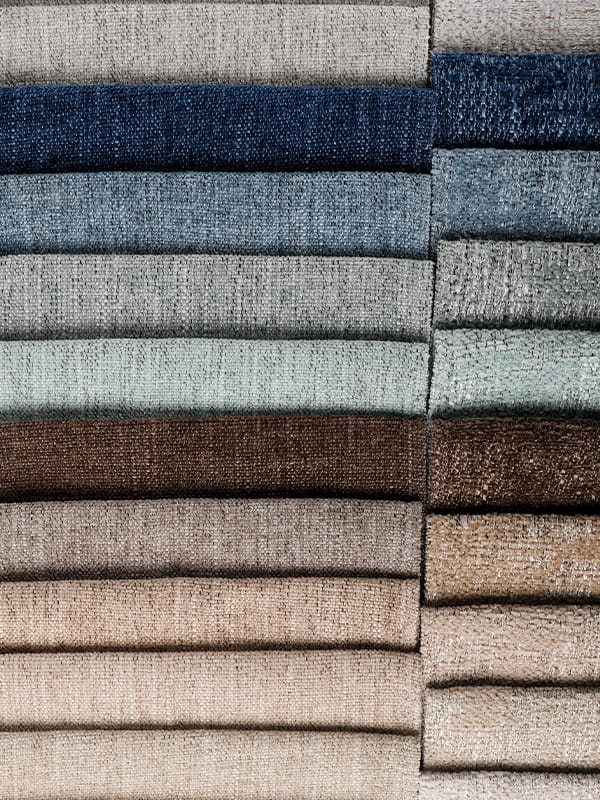
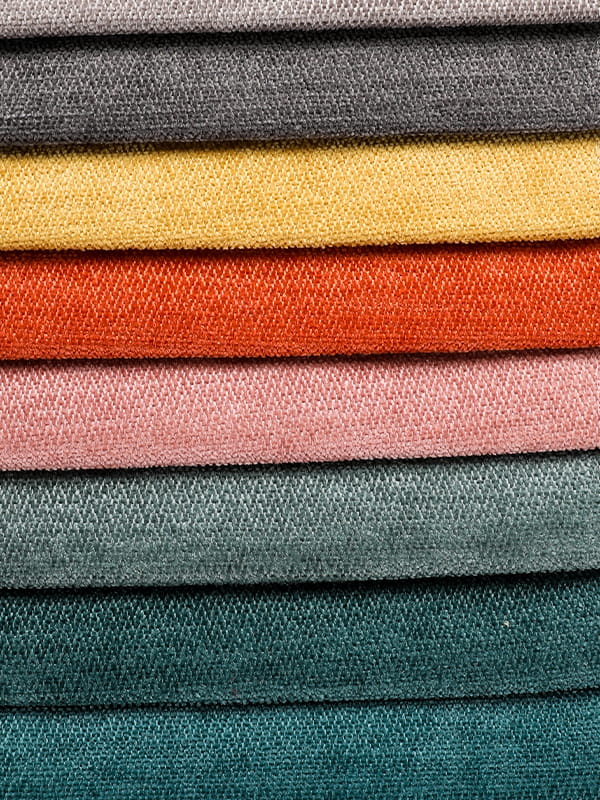
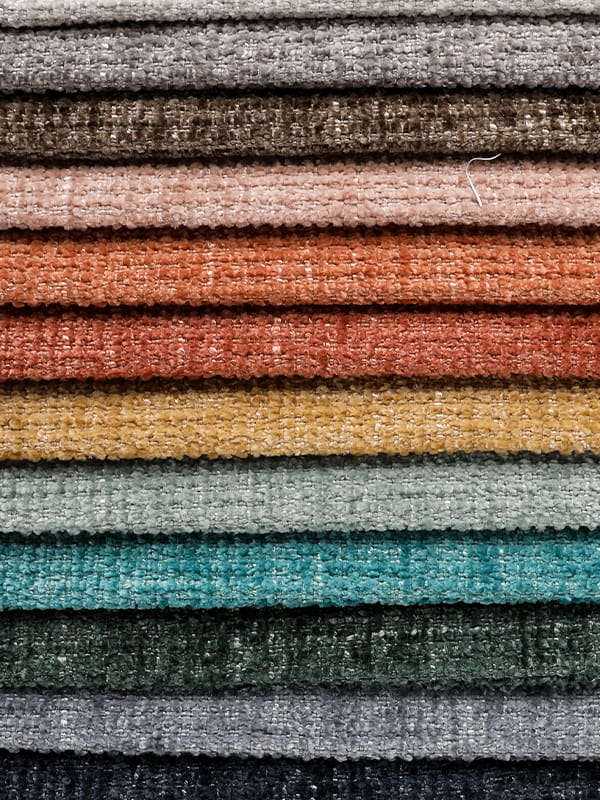
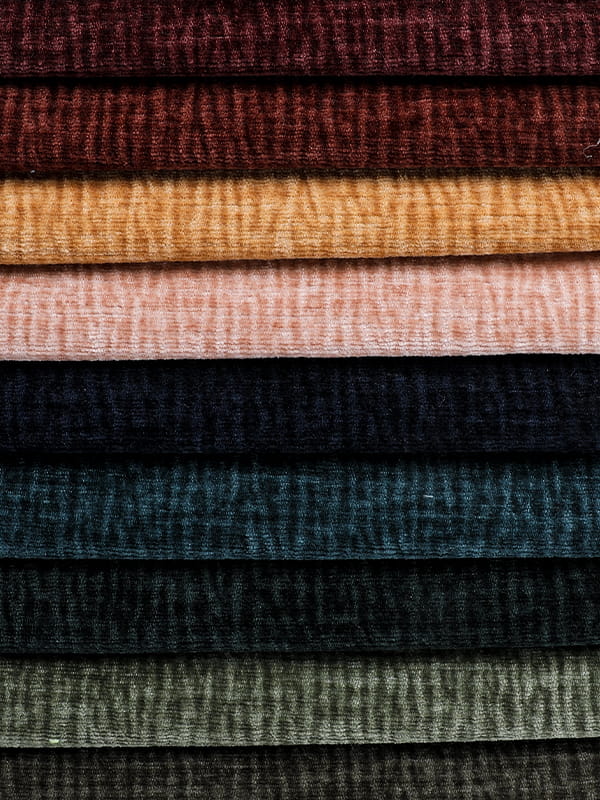
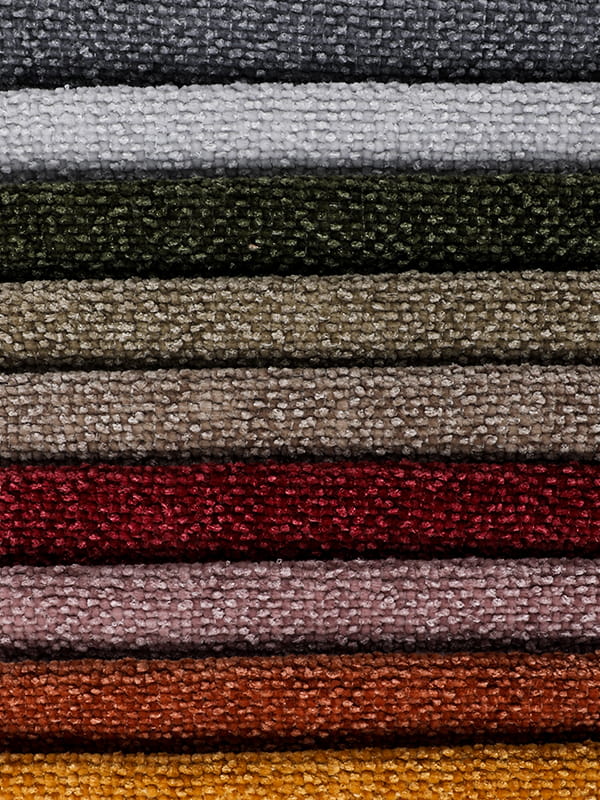
Chenille is NOT a specific fiber like cotton or polyester. Instead, it is a distinctive “caterpillar” yarn construction that creates a soft, pile-rich fabric. Any fiber (cotton, polyester, acrylic, viscose) can be spun into chenille yarn. This unique structure delivers exceptional softness, luxurious drape, and high absorbency, but also brings challenges such as pressure marks and specific care requirements. Based on laboratory tests and industry data, here are the key facts:
Thus, when selecting chenille, always examine the fiber composition and yarn density – not just the name “chenille”.
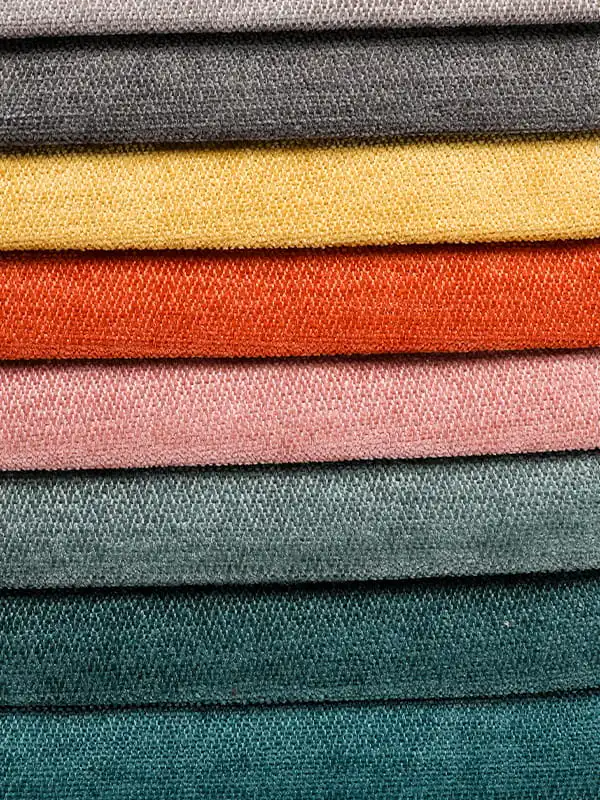
Chenille fabric gets its unique hand from a specialized yarn: two or more core plies (the “backbone”) that trap perpendicular “pile” fibers (the “fur”) through high twist. This bottle-brush profile creates the plush, velvet-like surface. Typical production specifications: pile density ≥180 fibers/10cm, twist level 450–650 twists per meter. Below 450 TPM leads to excessive shedding; above 650 TPM makes the fabric stiff.
Global chenille fabric production exceeds 1.2 billion linear meters annually. End-use breakdown: 47% upholstery (sofas, chairs), 35% home textiles (blankets, cushions), 12% apparel, 6% rugs and crafts. High-grade chenille pile height ranges 2–5mm – enough for plushness while remaining maintainable.
To make an informed decision, review the table below with laboratory averages comparing premium chenille (polyester/viscose blend) to regular cotton twill.
| Property | Quality chenille (poly/viscose) | Plain cotton twill |
|---|---|---|
| Martindale abrasion (cycles) | >80,000 (EN 14465) | 15,000–25,000 |
| Water absorption (g/100cm²) | 22–28 g (ideal for bath mats) | 15–18 g |
| Pilling resistance (1-5) | 3.5–4 (filament chenille) | 3–3.5 |
| Pressure mark recovery (seconds) | 45–60 sec (light brushing needed) | 5–10 sec (almost none) |
Chenille excels in softness, absorbency,y and abrasion resistance but takes longer to recover from compression. Best applications: sofas, bed throws, curtains – avoid high-frequency seating like dining chairs unless using a reinforced chenille blend.
Each fiber brings measurable performance differences. Below are practical use-cases backed by industry data.
① Abrasion requirement – above 60,000 rubs → polyester or poly blends. ② Tactile preference – natural softness → cotton; high gloss → viscose. ③ Ease of care – machine washable → cotton/polyester; dry clean only → viscose. Example: rental apartment sofa → polyester chenille with Martindale ≥60,000. Bedroom blanket → cotton/acrylic mix for softness + affordability.
Following correct care extends chenille product life by 2–3 years. Independent testing shows the optimal washing parameters: 30°C water, neutral pH detergent (6-7), delicate machine cycle (wool/silk mode). Tumble drying at high heat causes pile shrinkage of 8–12% – always air dry flat.
Critical warning: Bleach or strong alkaline detergents reduce core yarn strength by over 40%, causing severe shedding. Always check pH-neutral labels. For pressure mark restoration: Steam from a distance of 5–8cm while gently hand-brushing – recovery rate up to 95%. Anti-static tip: Use diluted fabric softener (1:20) on polyester chenille; it reduces static voltage from 5000V to below 300V.
Myth 1: “All chenille sheds heavily.” → Fact: Premium high-twist chenille sheds <0.2% (GB/T 22796). Initial loose fibers after the first wash are normal; quality products stop shedding almost entirely after two gentle cycles.
Myth 2: “Chenille is too hot for summer.” → Fact: Lightweight cotton or viscose chenille (≤200 g/m²) has breathability similar to standard cotton, plus superior moisture wicking. Perfect for summer cushion covers.
Myth 3: “Chenille is always expensive.” → Fact: Acrylic chenille blankets cost as little as $6–12 USD, while premium Italian imported chenille upholstery fabric can reach $45+/yard. Choose according to your performance needs.
Final actionable advice: Always request the fiber composition label, abrasion test report (if available), and care instructions. Run your hand across the surface: quality chenille feels uniformly soft with no rough patches. No chemical odor should be present. With proper care, chenille delivers both luxury and long-lasting performance for modern homes.



 English
 عربى
عربى Español