Content
The upholstery market faces constant pressure to balance aesthetics, durability, and cost. For manufacturers, furniture wholesalers, and contract buyers, selecting the right fabric directly impacts product performance and customer satisfaction. Polyester chenille upholstery has emerged as a preferred solution across residential and commercial sectors. This material combines the luxurious texture of traditional chenille with the practical advantages of synthetic fibers. This article provides a technical analysis for B2B professionals, focusing on material science, manufacturing consistency, and application-specific performance criteria.
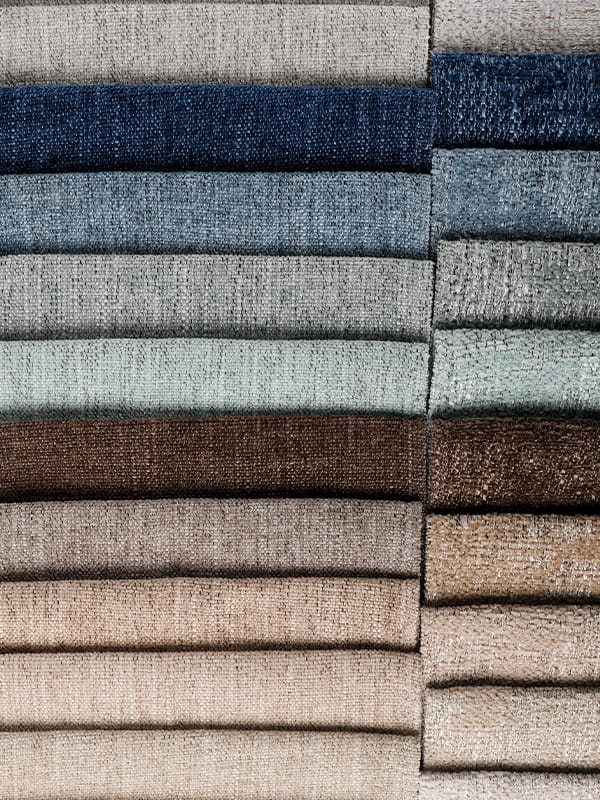
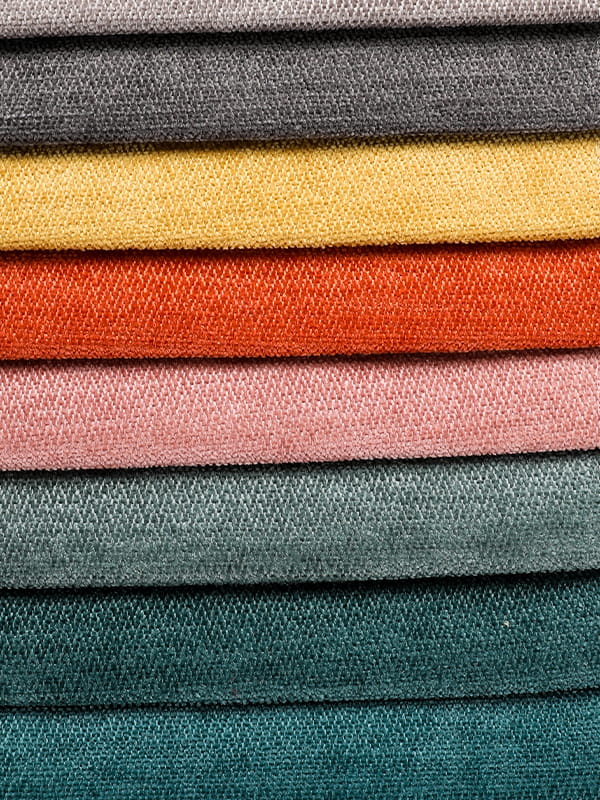
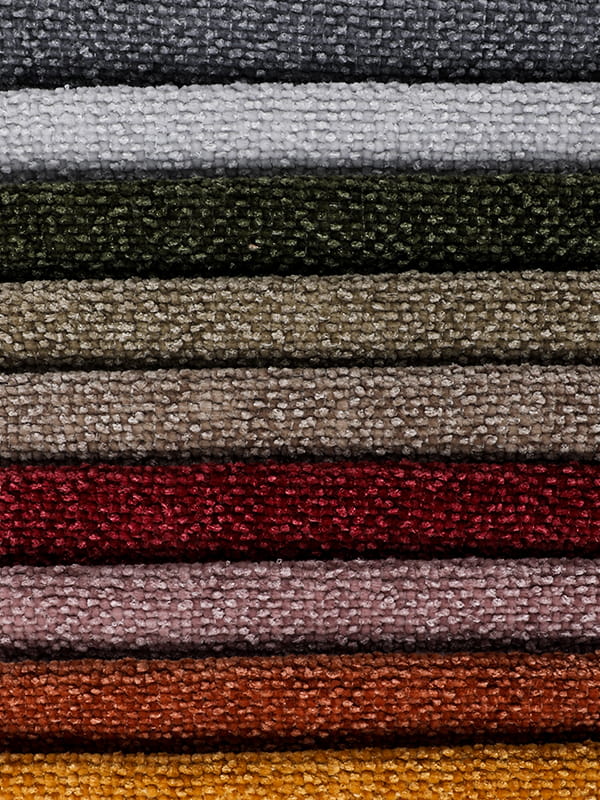
Chenille fabric derives its name from the French word for caterpillar, reflecting its soft, fuzzy surface. When manufactured using polyester fibers, the material gains significant structural advantages. The pile is created by cutting woven leno-type fabrics, which produces the characteristic raised surface. Polyester chenille upholstery offers superior color retention compared to cotton or rayon alternatives because polyester fibers accept dye more uniformly and resist fading from UV exposure. For buyers searching for durable polyester chenille fabric for heavy-use furniture, understanding the fiber denier and pile density becomes essential.
When evaluating Polyester chenille upholstery, procurement professionals must look beyond visual appeal. The key technical metrics include Martindale abrasion resistance, seam slippage, and colorfastness to light. High-quality chenille for contract applications typically achieves Martindale scores above 40,000 cycles. Seam slippage, measured in pounds per inch, determines how well the fabric holds at stitching points. Additionally, the long-tail keyword fade-resistant polyester chenille upholstery for sunny rooms reflects the growing demand for materials that maintain their appearance in naturally lit spaces, requiring a minimum rating of 5 on the AATCC blue wool scale.
The production process significantly affects final product quality. Premium polyester chenille upholstery begins with high-tenacity polyester yarns that undergo a controlled twisting process. This twisting creates the pile foundation. During weaving, the tension must remain consistent to ensure uniform pile height across the entire roll. For wholesalers seeking bulk polyester chenille upholstery rolls for wholesale, requesting technical data sheets that specify twist per inch and pile density helps ensure batch-to-batch consistency.
Buyers often compare polyester chenille against cotton velvet, linen blends, and microfiber. Each material offers distinct advantages, but polyester chenille occupies a unique position in the market. It delivers the soft hand feel of velvet with superior durability and stain resistance. The following table compares key performance indicators relevant to B2B procurement decisions.
| Property | Polyester Chenille Upholstery | Cotton Velvet | Linen Blend | Microfiber Polyester |
|---|---|---|---|---|
| Martindale Abrasion (cycles) | 40,000 - 60,000 | 15,000 - 25,000 | 20,000 - 35,000 | 50,000 - 80,000 |
| UV Resistance (Colorfastness) | Excellent (Grade 5) | Poor to Fair (Grade 2-3) | Fair (Grade 3-4) | Excellent (Grade 5) |
| Stain Resistance (Untreated) | Good | Poor | Fair | Good |
| Typical Cost per Linear Yard (Bulk) | Medium | Medium-High | High | Low-Medium |
| Pile Retention After 10,000 Seats | 95% | 75% | 85% | 90% |
The application determines the required specifications. For hospitality and contract furniture, buyers prioritize high abrasion resistance and fire retardancy. Many specifications require flame-retardant polyester chenille upholstery for contract furniture that meets CAL 117 or NFPA 260 standards. These treated fabrics maintain the soft hand feel while adding an essential safety layer. For residential applications, the focus shifts to aesthetics and family-friendly durability, with buyers searching for stain-resistant polyester chenille upholstery for family homes.
When evaluating suppliers of polyester chenille upholstery, procurement professionals should verify the following:
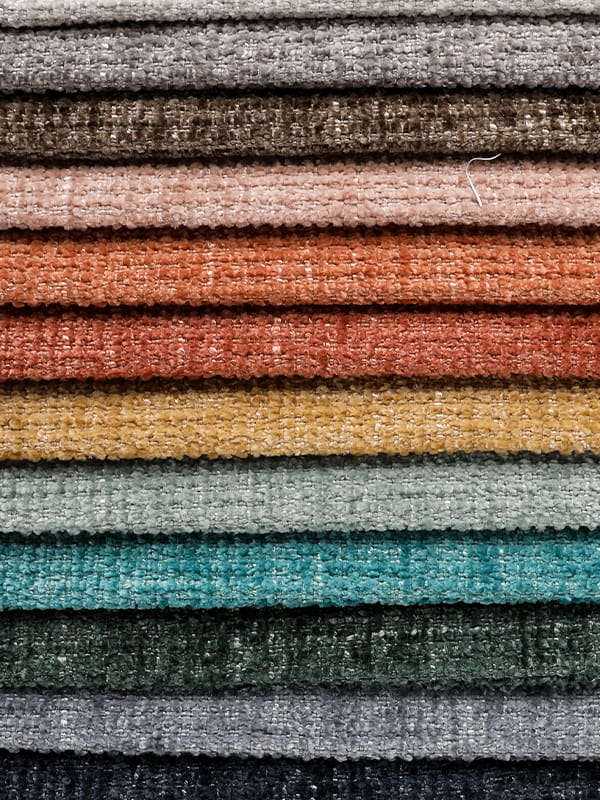
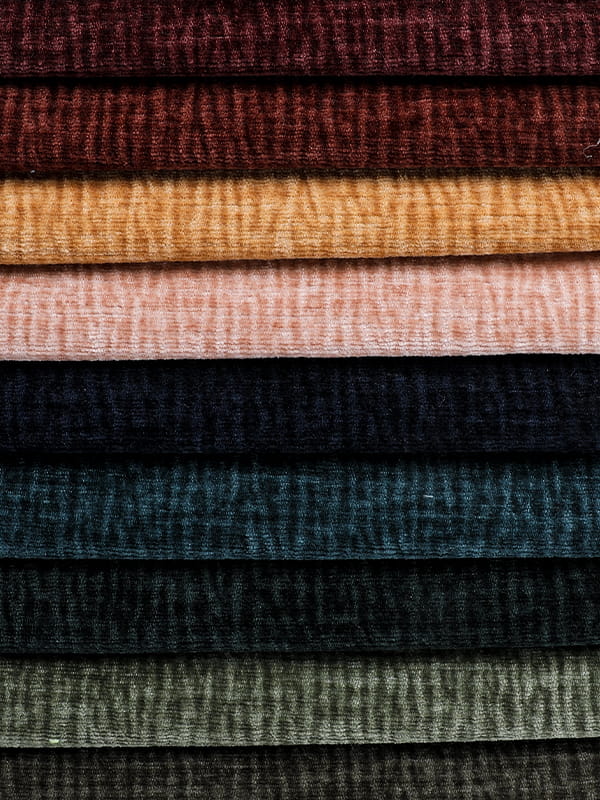
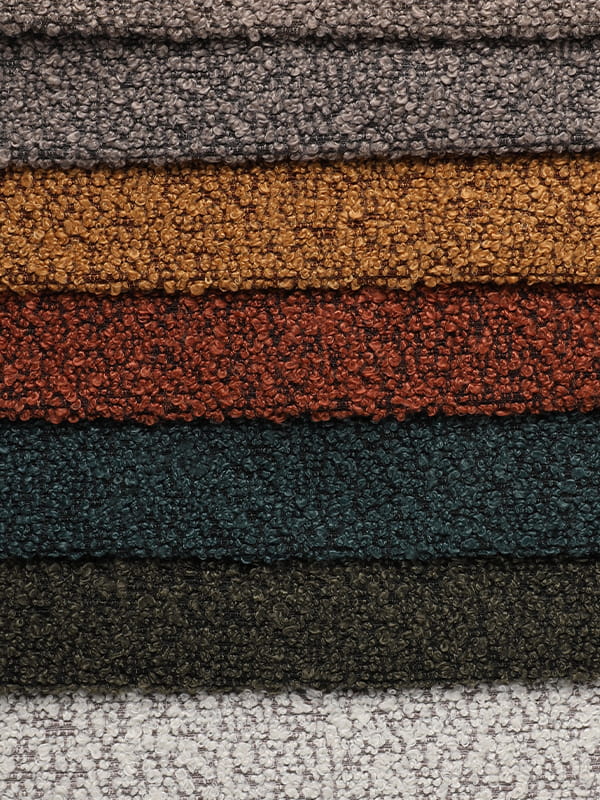
The search for textured polyester chenille fabric for modern furniture has increased significantly as designers seek materials that offer visual depth alongside practical performance. Textured variants use variations in yarn twist or pile height to create patterns without printing, ensuring the design remains intact throughout the fabric's lifespan.
For B2B buyers, understanding how the fabric performs under real-world conditions is essential. High-quality polyester chenille upholstery can receive additional treatments that enhance its value proposition. Stain-resistant finishes, such as fluorocarbon-based treatments, create a protective barrier without altering the fabric's texture. These treatments are particularly valuable for residential and hospitality applications where spills are common. Additionally, antimicrobial treatments are becoming standard for healthcare and hospitality applications, with buyers specifically seeking antimicrobial polyester chenille upholstery for healthcare settings.
Professional buyers should request accelerated aging test results. These tests simulate years of use in compressed timeframes. Key metrics include:
The upholstery industry is increasingly focused on circular economy principles. Manufacturers now offer polyester chenille upholstery made from recycled post-consumer PET bottles. These materials maintain the same performance characteristics while reducing environmental impact. For B2B buyers, this creates an opportunity to meet corporate sustainability targets without compromising on quality. The long-tail keyword recycled polyester chenille upholstery for eco-friendly design reflects this growing market segment, with recycled content options typically available at a modest premium over virgin polyester variants.



 English
 عربى
عربى Español