Content
Selecting the right upholstery material is a critical decision for furniture manufacturers and bulk buyers. The fabric determines not only the aesthetic appeal but also the functional lifespan of the furniture piece. The comparison of linen vs polyester sofa materials remains a central topic in textile engineering. While linen offers a premium natural feel, polyester provides unmatched synthetic durability. Engineers and procurement officers must weigh technical specifications against end-user requirements to make the optimal choice.
To understand the performance differences, one must first examine the fiber structure. The source of the material dictates its behavior in real-world applications.
Linen is derived from the stems of the flax plant. It consists of cellulose fibers with a natural variation in diameter. This structure creates a fabric that is highly permeable to moisture and air. Consequently, linen is often categorized as a premier breathable sofa material for hot climate regions. The fiber is naturally strong but rigid. This rigidity contributes to its crisp texture but can lead to wrinkling if not treated correctly. The natural luster of linen adds a tactile quality that is difficult to replicate synthetically.
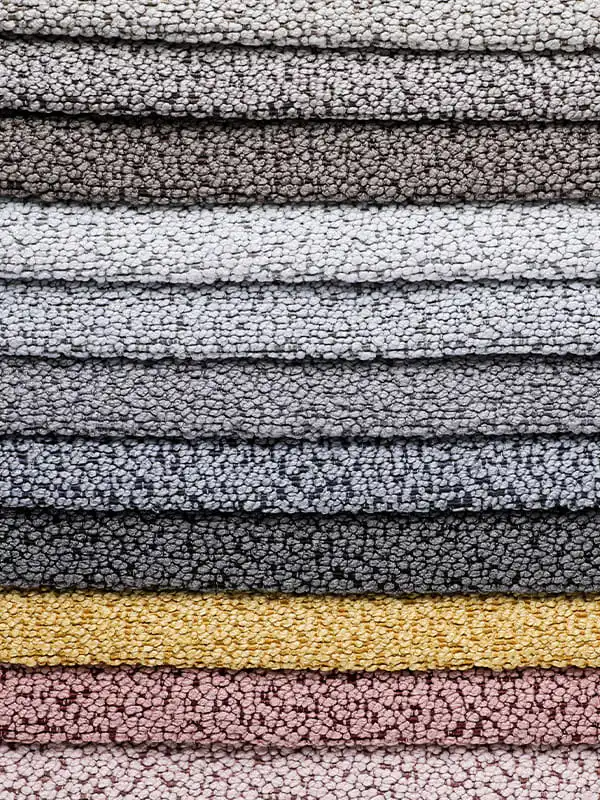
Polyester is a petroleum-based synthetic polymer. Manufacturers extrude it into fine, uniform filaments. These filaments can be engineered to mimic the texture of natural fibers while retaining superior tensile strength. Polyester is hydrophobic, meaning it repels water rather than absorbing it. This property makes it resistant to water-based stains but susceptible to oil-based soiling. Its molecular structure provides high resistance to stretching and shrinking, ensuring dimensional stability.
When evaluating materials for bulk production, quantitative metrics provide the most reliable guidance. We compare the key performance indicators below to assist in the selection process.
| Technical Parameter | Linen Fabric | Polyester Fabric |
| Fiber Source | Natural (Flax plant) | Synthetic (Petroleum) |
| Abrasion Resistance | Moderate to High (varies by weave) | Very High (exceeds 50,000 Martindale cycles easily) |
| Pilling Resistance | High (fibers break off rather than pill) | Variable (depends on blend and finish) |
| Moisture Management | High absorbency (wicks moisture) | Hydrophobic (repels moisture) |
| Light Fastness | Good, but can degrade in direct UV | Excellent UV resistance |
| Cleaning Requirement | Professional cleaning recommended | Easy clean, stain resistant |
Different market segments demand different fabric properties. A detailed sofa fabric durability comparison helps manufacturers align their products with target demographics.
Many consumers prioritize durability against physical damage. Finding the best fabric for sofa with pets is a common request in the residential market. Polyester, especially high-performance blends or microfiber, offers a tight weave that resists snagging. Pet claws often slide over the smooth synthetic filaments without causing runs. In contrast, linen has a distinct weave texture that can snag easily. While linen fibers are strong, the looped structure can be vulnerable to persistent scratching from animals.
In commercial settings, furniture endures heavy usage cycles. Polyester exhibits high resilience due to its thermoplastic nature. It can recover from compression better than many untreated natural fibers. Linen softens over time, which creates a desirable "patina" for some users. However, it may lose some structural integrity faster than polyester in high-friction environments. For heavy traffic areas, polyester or a poly-blend often proves to be the more pragmatic engineering choice.
The total cost of ownership includes maintenance efforts. This is where the debate over linen couch pros and cons becomes significant.
One of the main selling points of polyester is its ease of care. However, buyers often inquire about polyester sofa cleaning difficulty regarding oil-based stains. Since polyester is oleophilic (oil-loving), it can absorb oils permanently if not treated quickly. Water-based spills, conversely, bead up on the surface, allowing for easy blotting. Linen is highly absorbent. It soaks up liquids rapidly, leading to stubborn water marks. This makes linen less suitable for environments where spills are probable unless a heavy stain-resistant treatment is applied during manufacturing.
Despite the maintenance challenges, linen remains a premium choice. It does not generate static electricity as much as polyester. It is also biodegradable, aligning with sustainability goals. Engineers must decide if the environmental benefits and tactile luxury outweigh the practical durability of synthetics.
The choice between linen vs polyester sofa fabrics depends on the specific application profile. Polyester offers superior durability, stain resistance, and cost-efficiency for mass-market and pet-friendly furniture. Linen provides unmatched breathability, natural aesthetics, and eco-friendly credentials for the premium market sector. By understanding these technical parameters, manufacturers can specify the correct material to ensure product success.
Polyester is less breathable than natural fibers. It can trap body heat and moisture, potentially causing discomfort in very hot climates. However, modern breathable weaves and mesh backings can mitigate this issue significantly.
With proper care, a high-quality linen sofa can last between 5 to 10 years. The fabric tends to soften and age over time, developing a unique character. It may show signs of wear earlier than high-performance polyester in high-traffic settings.
Linen can work in a family room if the weave is tight and it is treated with a stain protector. However, due to its tendency to wrinkle and absorb spills, it requires more diligent maintenance than synthetic alternatives.
Yes, polyester is a thermoplastic polymer and can technically be recycled. Many manufacturers now produce polyester fabrics from recycled PET bottles (rPET), contributing to a circular economy.



 English
 عربى
عربى Español