Content
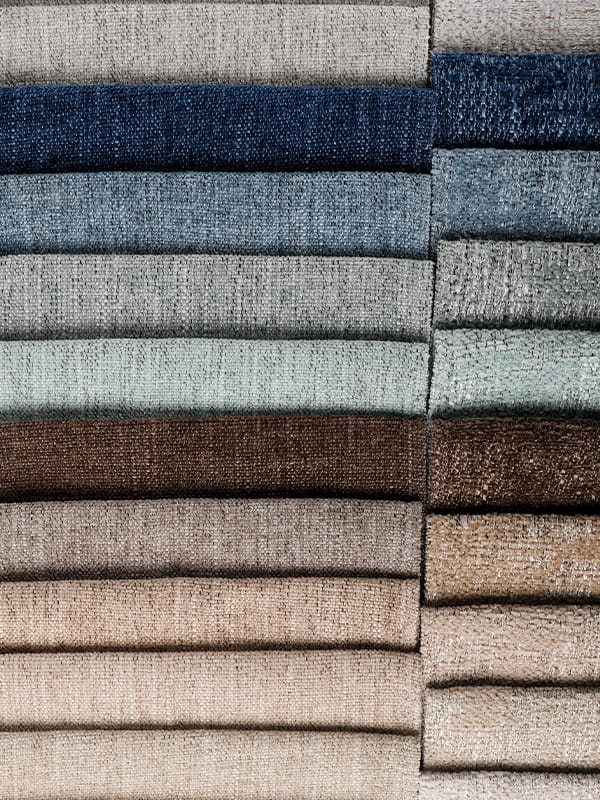
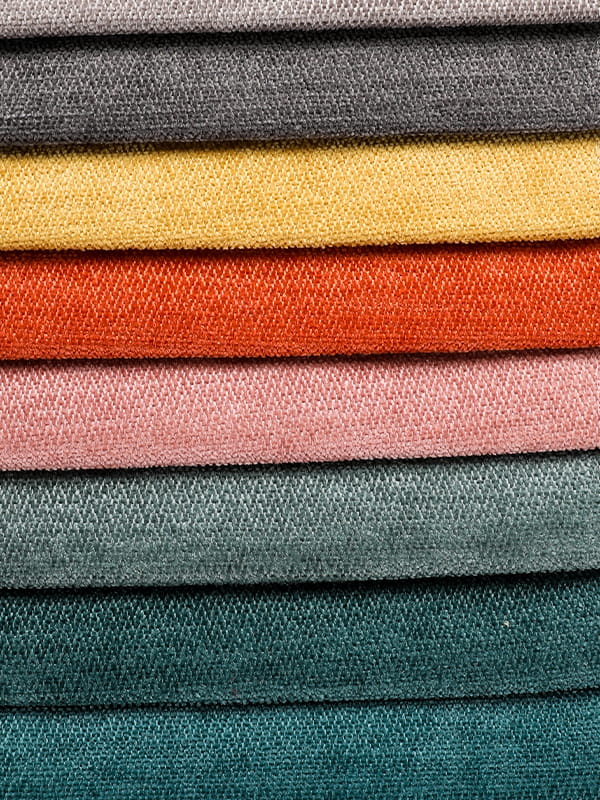
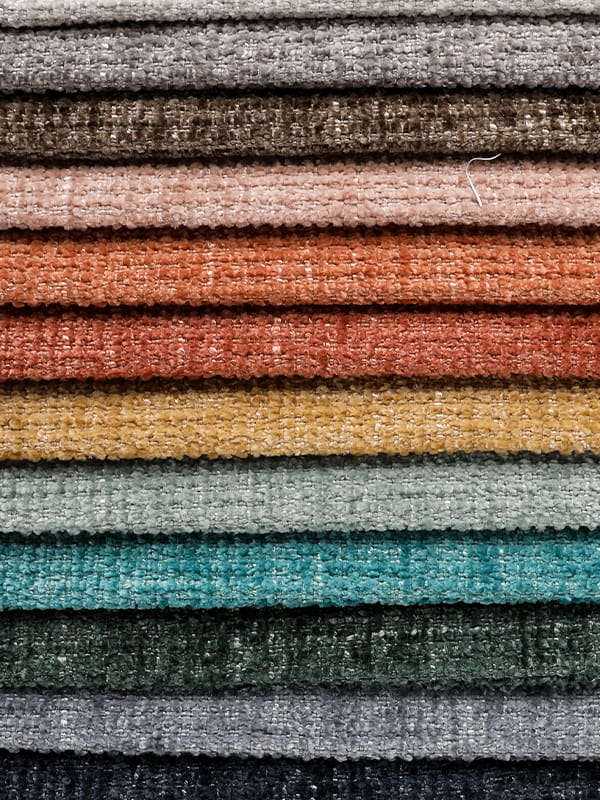
Furniture manufacturers and interior designers face critical decisions when selecting upholstery materials. The weave structure determines durability, aesthetic complexity, and long-term performance. This article examines the technical engineering behind SOFA WOVEN JACQUARD FABRICS and their superior suitability for demanding residential and commercial seating applications.
Jacquard weaving employs individually controlled warp yarns to create intricate patterns without mechanical limitations. Unlike dobby or cam-driven systems, upholstery jacquard weave technology enables unlimited pattern repeat sizes and complex pictorial designs. This capability transforms sofa upholstery from utilitarian covering to artistic statement.
The Jacquard mechanism utilizes electronic solenoids or punched card systems to lift selected warp threads. Modern electronic jacquard heads control up to 30,000 individual warp ends with precision timing. This technology produces fabrics with thread counts ranging from 200 to 800 ends per inch, depending on yarn fineness and pattern complexity.
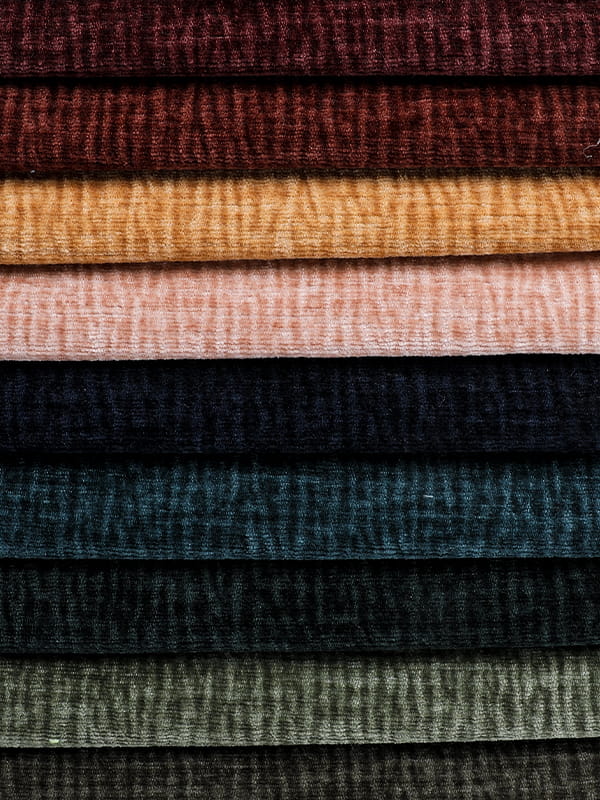
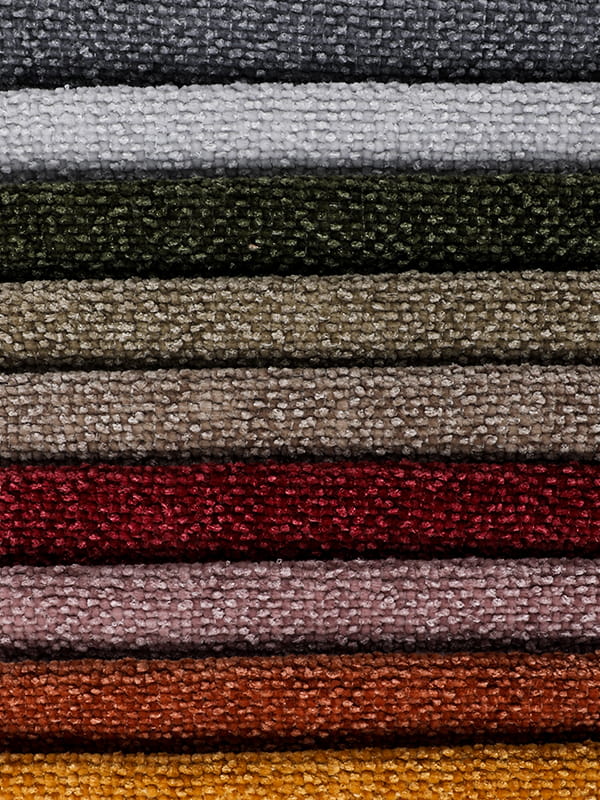
SOFA WOVEN JACQUARD FABRICS demand yarn specifications that balance aesthetic refinement with mechanical resilience. Solution-dyed polyester dominates commercial applications due to superior lightfastness and stain resistance. Cellulosic blends provide natural hand feel and moisture management for residential luxury segments.
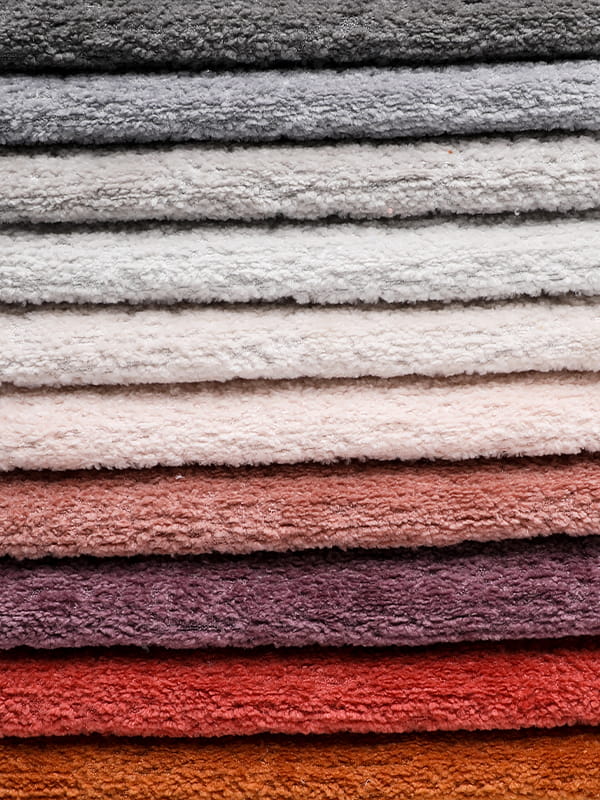
High-tenacity polyester filaments (4.5-6.0 g/denier) resist abrasion and maintain dimensional stability under cyclic loading. Chenille yarns create plush surface textures through central core yarns surrounded by pile fibers. These constructions require precise tension control during weaving to prevent pile distortion.
Design capabilities distinguish jacquard from alternative upholstery constructions. custom sofa jacquard pattern design services translate architectural concepts into weaveable structures. Engineers convert digital artwork into weave drafts specifying warp lifts, weft insertions, and color sequences.
Point paper notation maps each intersection in the fabric structure. Technical designers balance aesthetic requirements against production constraints, including minimum float lengths, structural stability, and yarn consumption efficiency. Complex patterns may require 8-16 different weft colors inserted through multiple insertion mechanisms.
| Pattern Category | End Count Range | Color Capacity | Production Speed | Typical Application |
| Small geometric | 200-300 ends/inch | 4-8 colors | High (25-35 m/hr) | Commercial hospitality |
| Large floral | 300-400 ends/inch | 8-12 colors | Medium (15-25 m/hr) | Residential luxury |
| Pictorial scenic | 400-600 ends/inch | 12-16 colors | Low (8-15 m/hr) | Bespoke commissioned work |
| 3D textured | 250-350 ends/inch | 6-10 colors | Medium (12-20 m/hr) | High-end contract seating |
Pattern floats create inherent structural vulnerabilities in decorative fabrics. Long warp floatsexceedingd 5mm may snag or abrade under contact. High-durability sofa fabric construction incorporates binding points and stitching yarns to stabilize pattern elements without visual compromise.
Back weaving techniques interlace supplementary warp or weft yarns on the fabric's reverse. These hidden structures lock surface floats and improve tear resistance. Double-cloth constructions create independent face and back layers with connecting binding yarns, enabling reversible upholstery options.
Commercial upholstery applications demand rigorous performance verification. Wyzenbeek abrasion testing (ASTM D4157) evaluates resistance to cyclic rubbing. Heavy-duty contract specifications require 100,000+ double rubs without unacceptable surface change.
Pilling resistance (ASTM D3512) prevents unsightly fiber ball formation on seating surfaces. Colorfastness testing addresses light exposure (AATCC 16), dry cleaning (AATCC 132), and water spotting (AATCC 107). These protocols ensure that luxury woven upholstery textiles maintain appearance throughout service life.
Post-weaving processes extend functional capabilities. Soil and stain repellent fluorochemical treatments facilitate cleaning without affecting hand feel. Antimicrobial finishes utilizing silver-based or organo-silane technologies address hygiene in healthcare and hospitality environments.
Calendering and embossing modify surface luster and texture. Steam finishing relaxes internal stresses and stabilizes dimensions. These processes require careful control to preserve pattern definition and color accuracy in complex jacquard constructions.
Technical buyers evaluate wholesale sofa jacquard fabric suppliers through capability assessments beyond unit pricing. Pattern development expertise, sampling turnaround times, and lot-to-lot color consistency determine total value. Vertical integration from yarn through finishing provides quality control advantages.
Minimum order quantities vary with pattern complexity and equipment configuration. Simple geometric patterns may require 500-meter minimums. Complex pictorial designs with 16-color capacity typically demand 2000-5000 meter commitments to justify loom setup and warp preparation costs.
Commercial-grade SOFA WOVEN JACQUARD FABRICS achieve 50,000 to 150,000 Wyzenbeek double rubs depending on yarn selection and construction density. Residential luxury specifications typically require 30,000-50,000 double rubs. Heavy-duty contract applications,s including airport seating and hospitalfurnitureu, required 100,000+ double rub ratings.
Jacquard patterns are integrally woven into the fabric structure, creating dimensional texture and inherent durability. Printed designs apply color to the surface through rotary screen or digital methods, offering unlimited color variety but reduced textural depth. Jacquard constructions resist pattern wear since design elements are structural yarn components rather than surface deposits.
Yes, engineered SOFA WOVEN JACQUARD FABRICS achieve CAL 117-2013 and NFPA 260 Class I ratings through inherent fiber selection or back-coating treatments. Inherent flame-retardant polyester and modacrylic blends provide permanent protection without topical treatments. Back-coating with flame-retardant polymers offers compliance for natural fiber constructions.
Electronic jacquard technology eliminates mechanical repeat limitations. Practical repeat sizes range from 1cm for small geometrics to 200cm for large-scale scenic designs. Very large repeats increase warp preparation complexity and yarn waste during pattern alignment. Most commercial upholstery utilizes 30-60cm repeats, balancing visual impact with production efficiency.



 English
 عربى
عربى Español